Industry knowledge
How Form Design Changes the Value Perception of an Art Candle
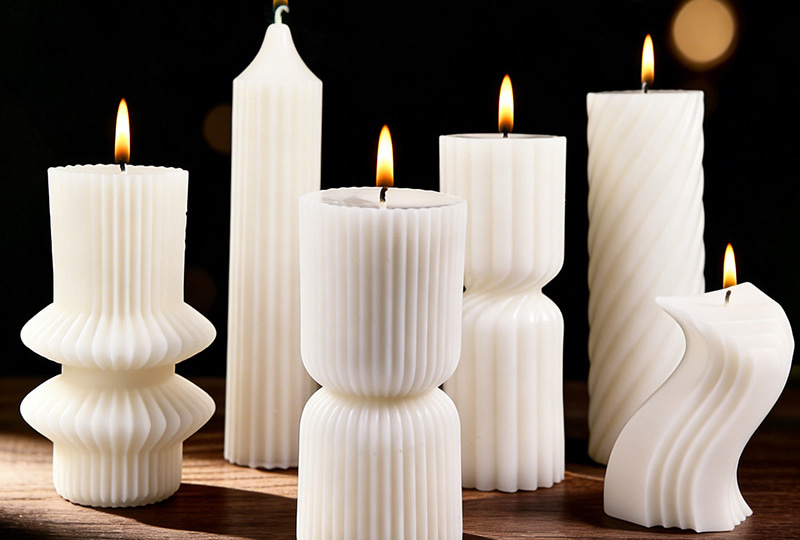
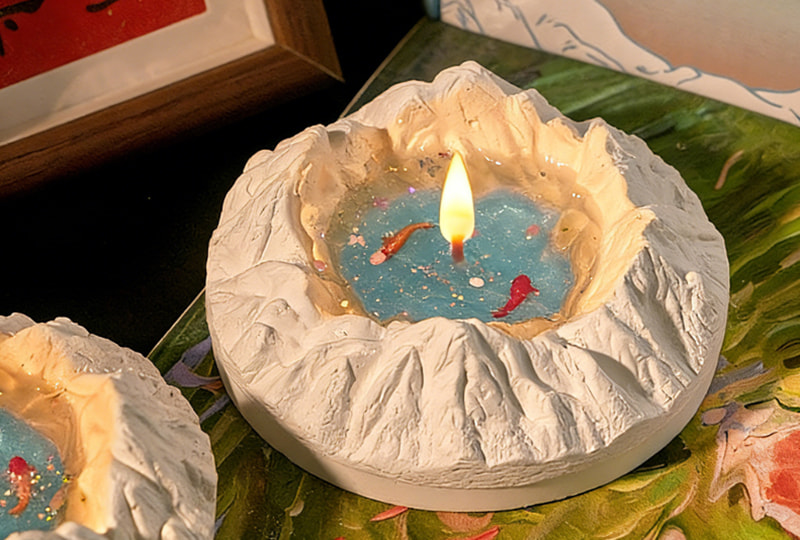
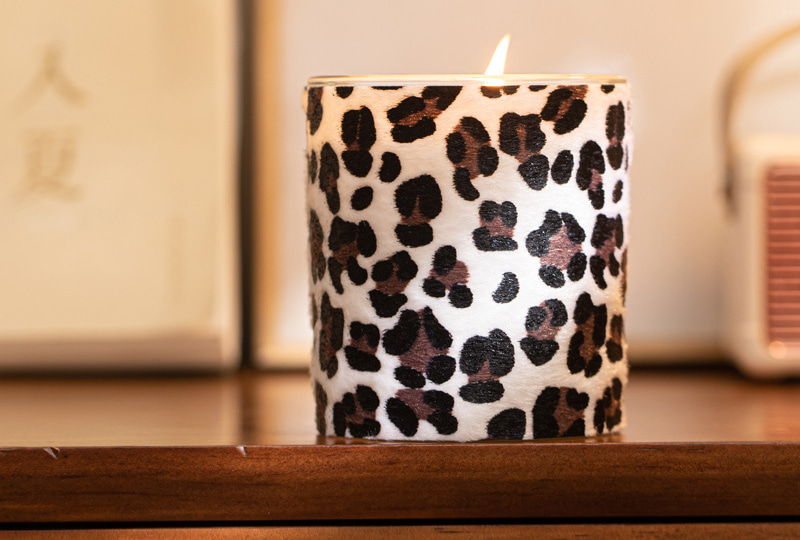
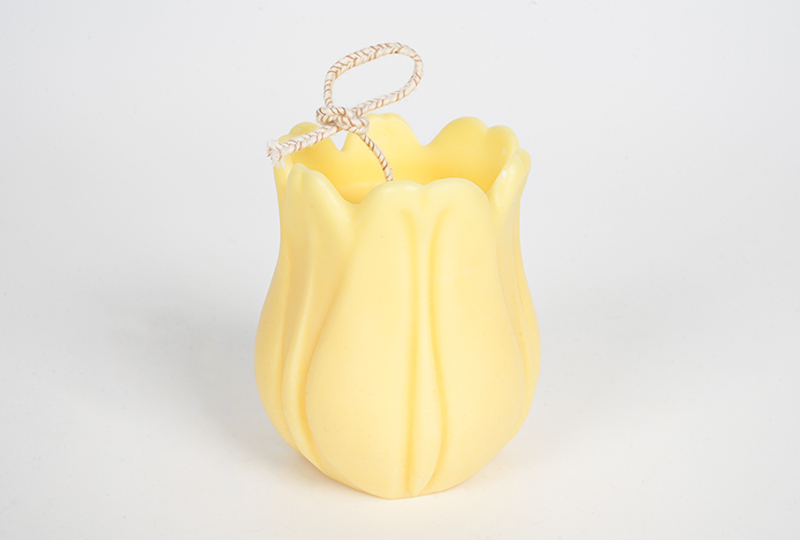
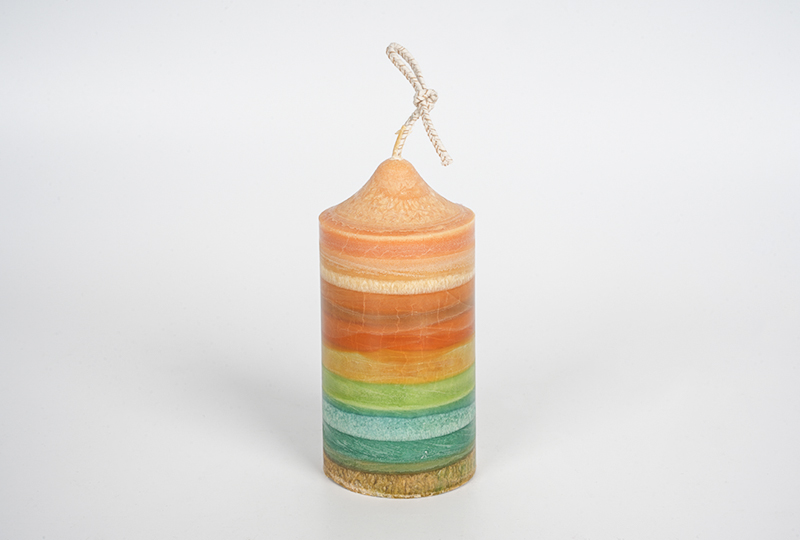
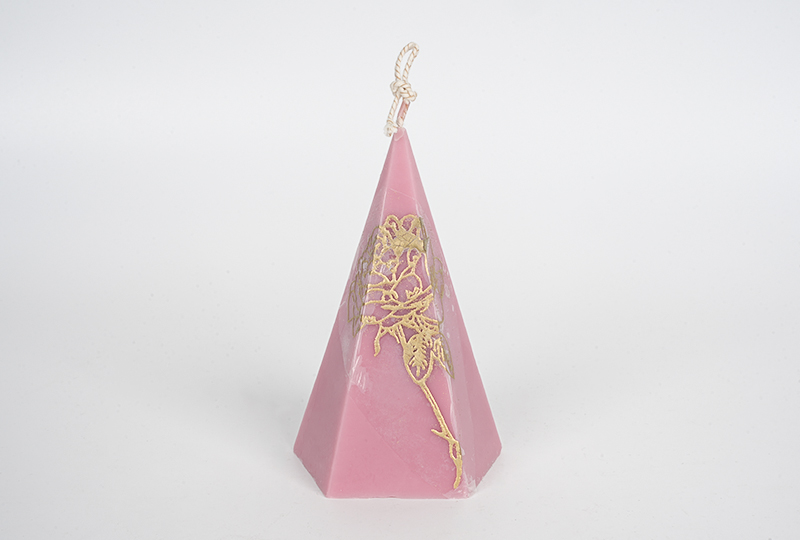
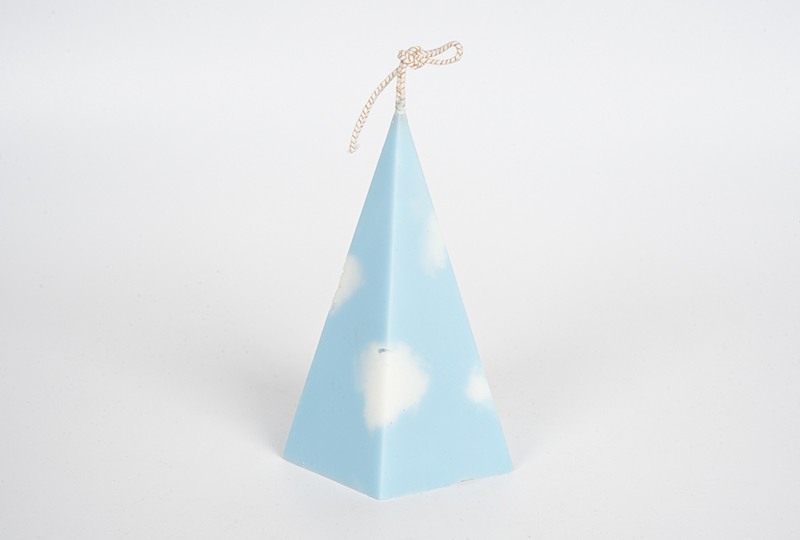
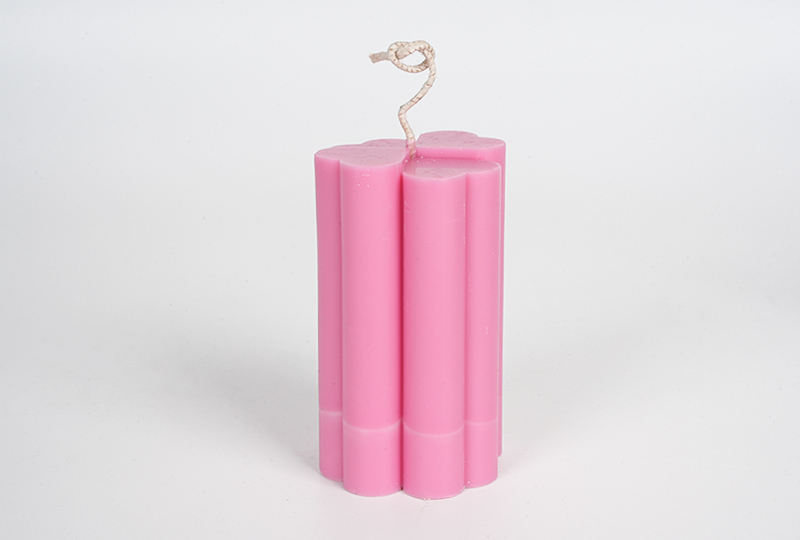
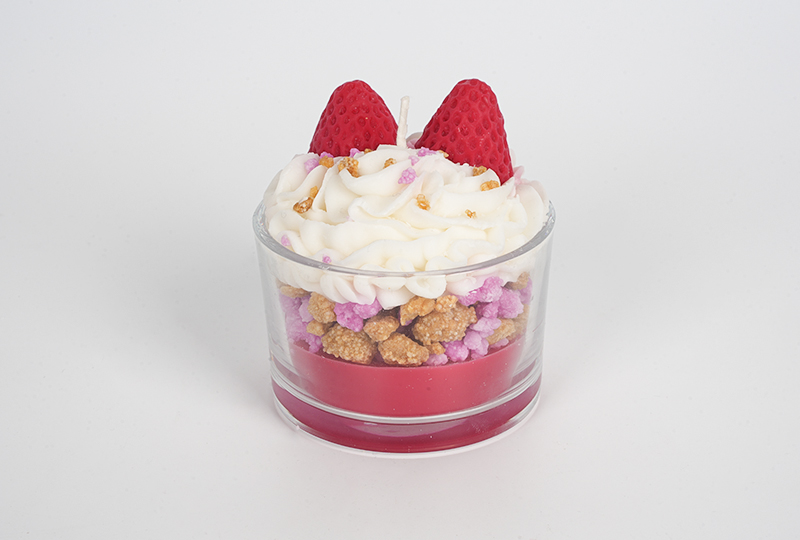
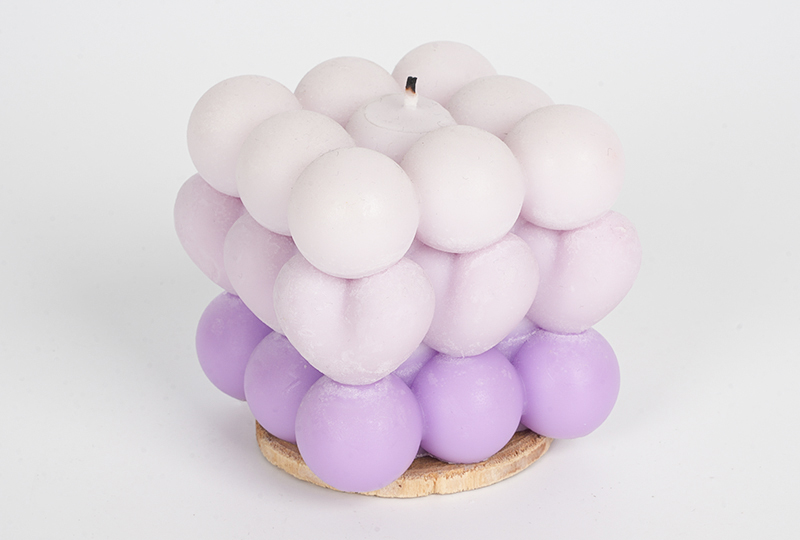
For potential buyers, the value of an art candle is not decided only by fragrance or burn time. Shape, surface rhythm, proportion, and visual balance all influence whether the candle feels like a decorative object, a gift item, or a collectible piece. A well-designed art candle can increase perceived product value before it is even lit.
In home fragrance retail, sculptural candles often perform well in gift channels because they create an immediate visual reason to purchase. Buyers can consider whether the design has enough shelf impact, whether it photographs well for online stores, and whether the form is stable enough for safe packaging and transport.
Practical design factors to review before sourcing
- Surface details should be clear but not too fragile for bulk shipment.
- The candle base should remain stable when displayed on a flat surface.
- Color selection should match the target market’s home décor trends and seasonal demand.
- The design should allow reasonable demolding efficiency for consistent production.
At Leo, we pay attention to this balance between artistic appearance and commercial practicality, because overseas buyers usually need both attractive presentation and dependable supply performance.
Fragrance Matching for Sculptural Candle Collections
Fragrance selection for an art candle should support the visual concept instead of competing with it. A minimalist white sculptural candle may pair well with clean, soft, or powdery scents, while rich colors or organic textures can support woody, amber, floral, or spicy notes. The strongest collection logic often comes from matching scent mood with visual language.
For buyers developing private-label lines, fragrance should also be selected according to retail scenario. Gift sets, hotel amenities, boutique homeware stores, and seasonal promotions usually require different scent intensity and emotional positioning.
Common fragrance directions for different art candle retail scenarios
| Retail Scenario |
Suggested Fragrance Direction |
Buyer Focus |
| Gift Sets |
Floral, fruity, soft musk |
Broad acceptance and elegant packaging |
| Home Décor Stores |
Woody, linen, tea, amber |
Visual harmony with interior styles |
| Seasonal Promotions |
Spiced, gourmand, festive notes |
Fast recognition and holiday atmosphere |
| Premium Collections |
Sandalwood, iris, vetiver, mineral notes |
Depth, restraint, and exclusivity |
We can support fragrance selection according to collection theme, target price range, and market positioning, helping buyers turn a single art candle idea into a more coherent product line.
Handcrafted Variation: Quality Feature or Production Risk?
Handmade art candles naturally show slight differences in color depth, texture, surface marks, and finishing details. These differences can make each piece feel more artistic, but buyers should define acceptable variation before mass production. Handcrafted character becomes a selling point only when variation is controlled within clear quality standards.
For international orders, it is useful to confirm reference samples, tolerance ranges, packaging protection, and inspection criteria in advance. This reduces disputes and helps maintain a consistent customer experience across batches.
Recommended inspection points for handmade candle orders
- Check whether the overall shape matches the approved sample.
- Review surface cracks, bubbles, scratches, and uneven color areas.
- Confirm wick placement, trimming length, and centered positioning.
- Test packaging stability with the actual candle weight and shape.
- Verify label, logo, fragrance, and outer box details before shipment.
Leo follows quality control from raw material selection to finished goods inspection, so buyers can develop customized handmade candle collections with clearer expectations and lower sourcing uncertainty.
Customization Decisions That Affect Cost, Lead Time, and Shelf Appeal
Customization is not limited to printing a logo. For an art candle, the mold, wax color, fragrance, label material, box structure, insert protection, and gift-set arrangement can all affect the final product. Buyers should separate essential customization from optional decoration to keep the project efficient.
The most cost-effective customization usually starts with fragrance, color, label, and packaging before moving into exclusive mold development. This approach allows buyers to test the market with lower initial risk while still building a distinctive collection identity.
Customization choices buyers should plan early
- Logo method: sticker label, printed label, hang tag, embossed box, or sleeve design.
- Fragrance direction: single hero scent, seasonal range, or multi-scent gift set.
- Packaging structure: individual box, window box, rigid gift box, or set packaging.
- Market compliance: warning labels, ingredient information, barcode, and language requirements.
As a trading and supply chain partner based in Hangzhou, China, we help overseas clients connect product development, sourcing, packaging, and delivery support into one practical workflow. For buyers building a home fragrance line, this can make each art candle collection more intentional, exclusive, and ready for market.

 English
 Français