Industry knowledge
Heat Performance Details Buyers Should Check in a Ceramic Candle Vessel
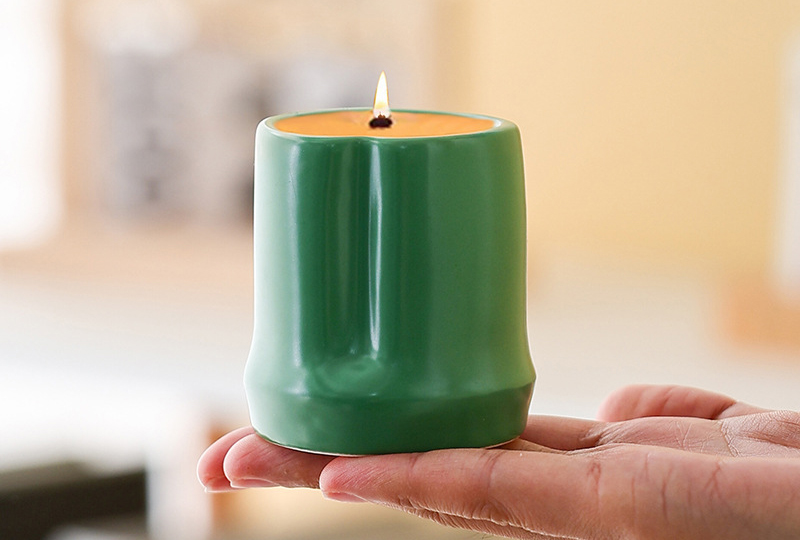
For buyers sourcing a Ceramic Candle Vessel, heat behavior is one of the most practical checkpoints because it affects burning stability, user safety, wax consumption, and the perceived quality of the finished candle. Ceramic naturally has more body than thin metal or lightweight glass, so it can help reduce sudden temperature changes during burning.
A reliable vessel should not only look balanced on a shelf; it should also support steady heat distribution around the wax pool. At Leo, we pay close attention to vessel thickness, glaze consistency, and finished-product inspection because these details influence how confidently overseas buyers can develop repeatable candle lines.
Practical heat-related checkpoints
- Wall thickness should be consistent enough to reduce uneven heating during long burns.
- The base should feel stable and flat to reduce tipping risk on bedside tables, shelves, and gift display setups.
- The inner glaze should be smooth enough to support clean wax adhesion and easier post-burn cleaning.
- The opening diameter should match the wax type and wick system to avoid excessive tunneling or overheating.
A well-developed ceramic vessel should support both visual appeal and controlled candle performance. This is especially important for private-label buyers who need a product that performs consistently across different fragrances, wax blends, and packaging formats.
Glaze Variation and Color Control for Ceramic Candle Vessel Orders
Glaze is one of the most important value points in a ceramic candle collection. Unlike flat printed decoration, glaze reacts with light, surface texture, firing conditions, and ceramic body color. This is why small tone differences may appear between batches, especially in matte, reactive, speckled, or gradient finishes.
For international buyers, the key is not to eliminate every natural variation, but to define an acceptable control range before mass production. We usually recommend confirming color standards through approved samples, reference photos under neutral lighting, and clear tolerance notes for production inspection.
Common glaze factors that influence the final appearance of ceramic candle vessels
| Glaze Factor |
Buyer Concern |
Suggested Control Method |
| Matte finish |
Fingerprint visibility and surface consistency |
Check under natural and indoor light |
| Reactive glaze |
Color depth and pattern difference |
Approve a tolerance range, not one fixed shade |
| Gloss glaze |
Reflection, scratches, and visible defects |
Use surface inspection before packing |
Clear glaze standards help reduce disputes and make repeat orders more predictable. This is especially useful when developing gift sets, seasonal collections, or home fragrance ranges for different markets.
Capacity, Wick Matching, and Product Line Planning
When choosing a Ceramic Candle Vessel, capacity should not be considered only as a filling volume. It also influences burn time, shipping weight, retail price positioning, and how the product fits into a buyer’s collection. A compact vessel may suit trial-size fragrance launches, while a larger ceramic jar can support premium gifting or home décor placement.
How vessel size affects commercial planning
- Smaller vessels are suitable for discovery sets, hotel amenities, and seasonal promotional items.
- Medium vessels usually provide the best balance between shelf presence, cost control, and home-use practicality.
- Larger vessels can create a stronger gift impression but require more careful wick testing and packaging protection.
Wick selection should be tested together with vessel diameter, wax formula, fragrance load, and intended burn time. A vessel with gentle curves may look simple, but the inner diameter and wax surface area can strongly affect flame size and melt pool development.
As a supply chain partner, Leo can support OEM/ODM development across vessel specifications, fragrance selection, labels, and packaging. We prefer to help buyers build a complete product logic instead of treating the vessel as an isolated component.
The most successful candle lines usually match vessel size, wick system, fragrance concept, and packaging position from the beginning.
Reusable Value and Packaging Considerations for Overseas Buyers
A Ceramic Candle Vessel often remains in the consumer’s home after the candle is finished. This gives the product a longer life cycle than disposable packaging and can strengthen the perceived value of the purchase. Buyers can use this feature to create more thoughtful product pages, gift concepts, and after-use suggestions.
Reusable scenarios worth considering
- Desk storage for small stationery, clips, or daily tools.
- Bathroom storage for cotton pads or small accessories.
- Decorative placement on shelves, bedside tables, or entryway trays.
- Gift-set reuse as part of a coordinated home fragrance collection.
For export orders, packaging should protect both the ceramic body and the finished candle surface. Inserts, partition structures, outer carton strength, and drop-test expectations should be reviewed before shipment. Ceramic products may feel durable in the hand, but international transportation requires practical packaging engineering.
Leo has delivered household and home fragrance products to multiple overseas markets, and we understand that reliable packaging is part of the product experience. A calm-looking candle jar still needs a supply chain process that is strict, repeatable, and inspection-driven.
For potential buyers, reusable value and export-ready packaging should be evaluated together, not separately.

 English
 Français