 English
 Français
News
Home / Author / Sophia Lin — Product Sales Executive / Frosted Glass Wood-Wick Art Candles: Design, Performance, and Custom Manufacturing Advantages
Content
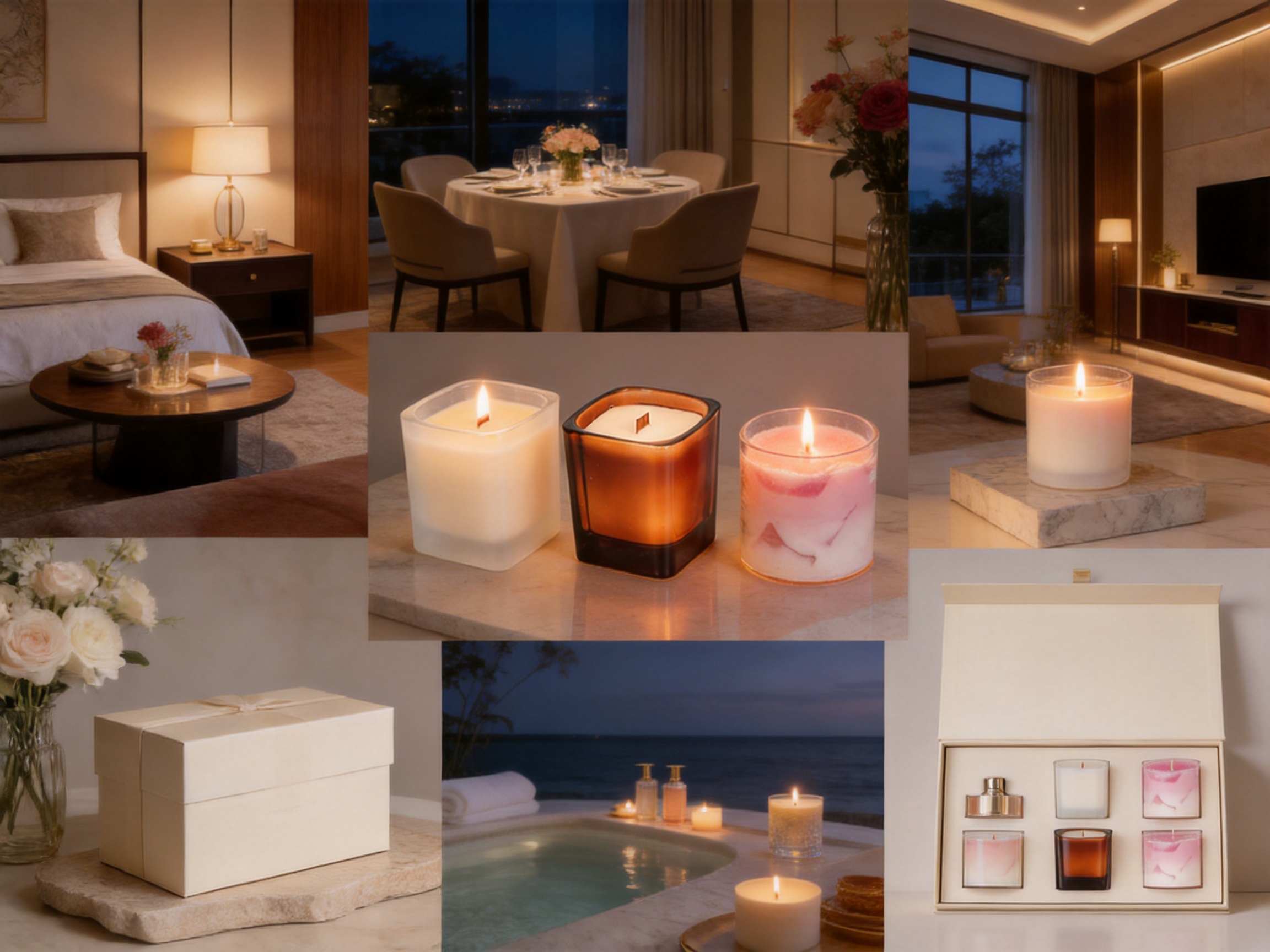
Modern consumers increasingly expect home fragrance products to do more than release a pleasant scent. A successful candle must contribute to the visual identity of a room, create a memorable sensory experience, support a relaxing lifestyle, and offer dependable performance from the first burn to the last. The Frosted Glass Wood-Wick Art Candle addresses these expectations by combining sculptural glass design, gentle illumination, crackling wood-wick performance, and flexible customization potential.
Unlike ordinary candles that are treated as disposable fragrance products, this art candle is designed as a decorative object as well as a source of ambience. Its frosted white, warm amber, and pink marble-inspired tones introduce a refined color palette suitable for contemporary interiors. The carefully balanced proportions allow the vessel to sit naturally on a bedside table, coffee table, shelf, console, vanity, or dining setting without overwhelming the surrounding décor.
The product is also positioned for professional buyers seeking a distinctive home fragrance collection. Retailers, hospitality groups, gift companies, interior design brands, and lifestyle distributors can use the candle as a premium addition to their product ranges. Its visual appeal helps attract attention on a shelf, while its wood-wick sound and soft light encourage repeat use after purchase.
This article examines the product’s design features, sensory advantages, manufacturing considerations, quality-control strengths, and customization opportunities. It also explains how an integrated supply chain and structured production management can help buyers develop a reliable candle collection rather than simply purchase a single finished item.

Frosted Glass Wood-Wick Art Candle
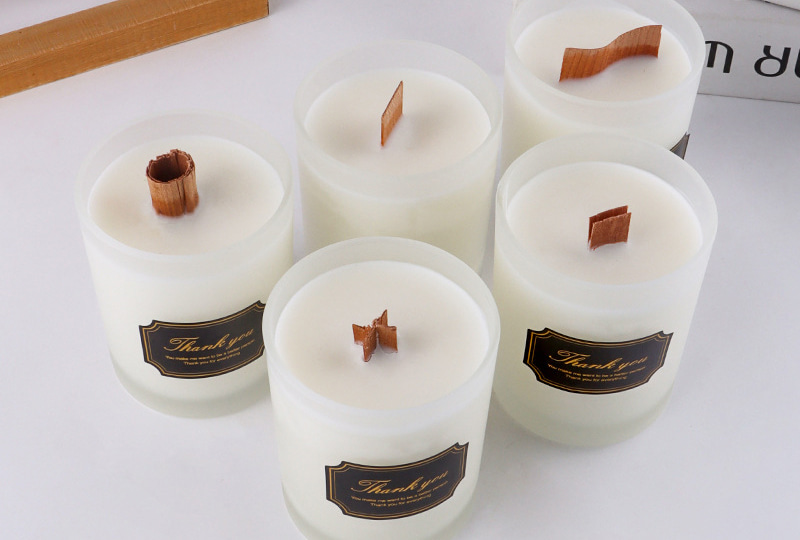
The Frosted Glass Wood-Wick Art Candle is a decorative scented candle presented in an artistic glass vessel. Its main design language is minimalist but expressive. Smooth surfaces, translucent finishes, rounded or sculpted forms, and soft tones create a calm appearance before the candle is lit. Once burning, the glass becomes an important part of the lighting experience by filtering and diffusing the flame.
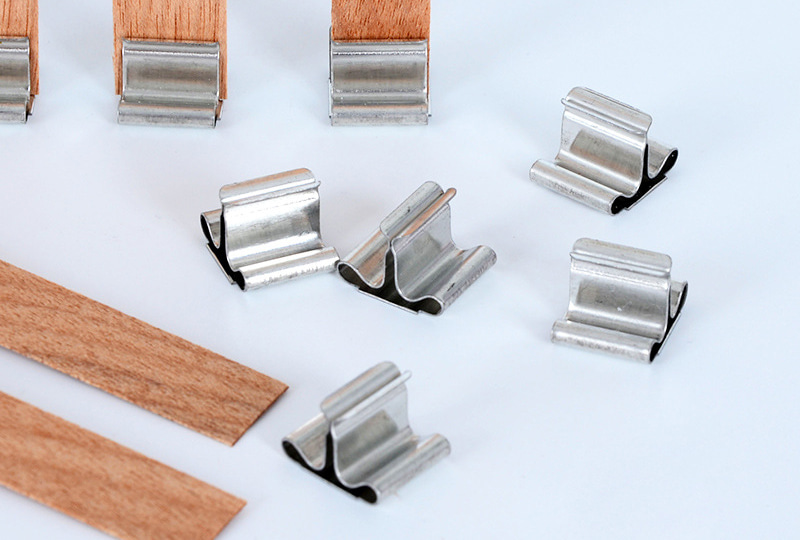
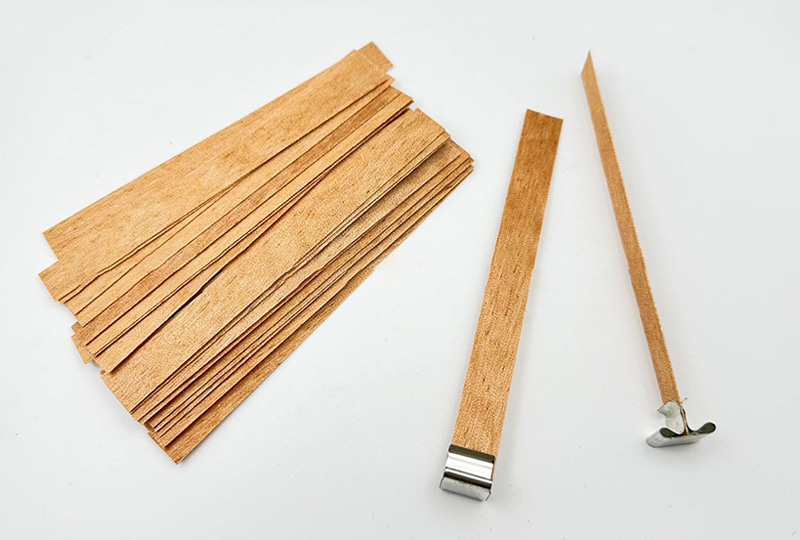
The candle uses a wooden wick instead of a conventional cotton wick. During burning, the wood wick can produce a subtle crackling sound that resembles a small fireplace. This acoustic detail distinguishes the product from standard candles, which generally provide fragrance and light but little additional sensory interaction.
The combination of visual design, fragrance ambience, warm illumination, and gentle sound gives the candle a layered identity. It can be marketed as a decorative home accessory, a relaxation product, a seasonal gift, or a premium fragrance item. This versatility makes it suitable for different distribution channels and customer groups.
The current design concept includes several vessel appearances:
Frosted white offers a clean, quiet, and Scandinavian-inspired impression. It works well with neutral interiors and can be positioned as an everyday relaxation product.
Warm amber introduces a deeper and more atmospheric tone. It is appropriate for autumn and winter collections, cozy living spaces, restaurants, hotels, and gift packaging with a richer visual identity.
Pink marble-inspired finishes create a softer and more romantic appearance. They can appeal to customers shopping for bedroom décor, self-care products, wedding gifts, seasonal collections, or feminine lifestyle assortments.
Although these finishes provide different emotional impressions, they share the same central product concept: a candle designed to look attractive even when it is not burning. This quality is important because decorative products spend much of their time displayed rather than in use.
Many basic jar candles depend heavily on their labels to communicate value. Once the label is removed or the candle is burned, the remaining container may have limited decorative appeal. The Frosted Glass Wood-Wick Art Candle takes a different approach by making the vessel itself part of the product identity.
The sculpted glass container provides visual interest without relying entirely on printed graphics. Its surface, shape, translucency, and color create a decorative impression that can complement furniture and accessories. This enables buyers to position the candle as a home décor product rather than a simple consumable.
After the wax has been used, the vessel may also have secondary value as a small storage container, decorative object, planter, or display piece, depending on its size and construction. Reusable packaging can strengthen the customer’s perception of value and support a more sustainable product narrative when accompanied by appropriate cleaning and reuse guidance.
A conventional candle typically offers three primary benefits: fragrance, flame, and visual warmth. The wood-wick design adds a fourth sensory element through its soft crackling sound. This sound is not intended to be loud or distracting. Its purpose is to create a gentle background effect that supports relaxation.
The combined experience can be especially attractive to consumers who use candles during reading, bathing, meditation, quiet evenings, entertaining, or bedtime preparation. For hospitality buyers, the crackling wick can help create a more memorable room or dining environment. For gift retailers, it provides a clear product story that is easy to communicate in packaging and merchandising materials.
The frosted, amber, and marble-inspired color options are designed to coordinate with current interior trends. Neutral and soft colors allow the candle to fit into a variety of settings rather than being restricted to a specific holiday or design theme.
This flexibility creates several commercial advantages. A retailer can use the same basic product style in permanent collections, seasonal displays, wedding assortments, wellness lines, or curated gift boxes. Different finishes can be combined to create a coordinated range while still providing visual variety.
Luxury products do not always require elaborate decoration. In many contemporary markets, premium value is communicated through proportion, material quality, controlled color, surface finish, and consistency. The Frosted Glass Wood-Wick Art Candle follows this refined approach.
Its minimalist appearance can support high-end positioning while remaining accessible to consumers who prefer understated décor. This is an important advantage over heavily decorated candles that may appeal only to a narrow aesthetic group or may become dated as visual trends change.
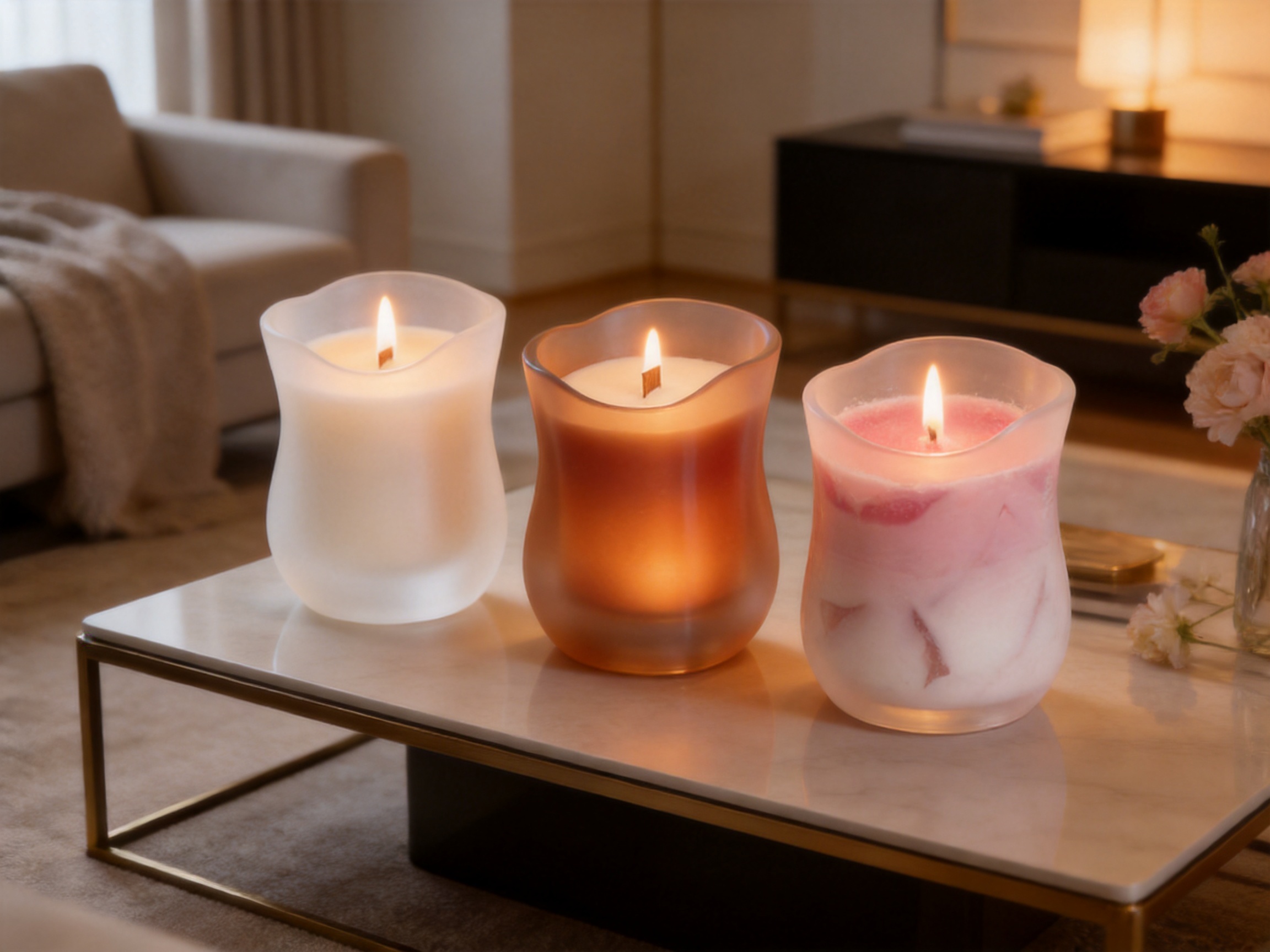
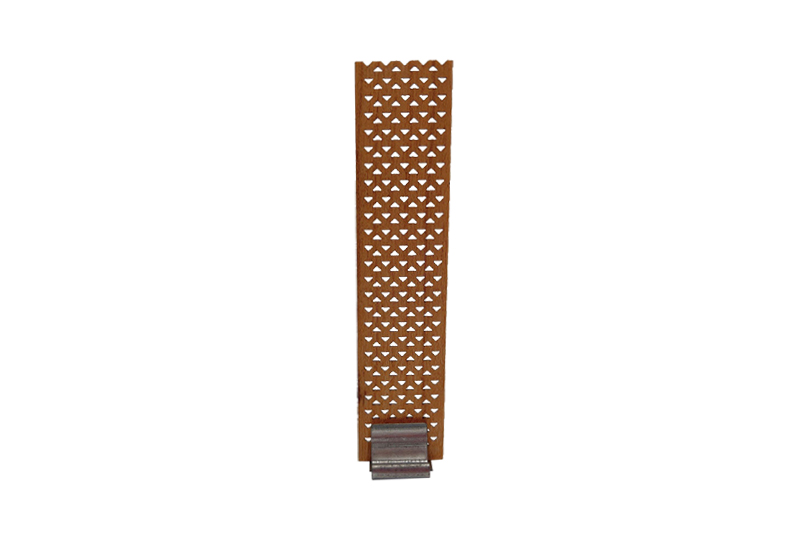
The wooden wick is one of the most recognizable features of the product. When properly selected and matched with the candle formulation, it can create a light crackling sound during burning. This sound contributes to the impression of a small indoor fireplace and helps differentiate the item from ordinary cotton-wick candles.
The crackling effect can also improve product memorability. A customer who notices the sound is more likely to describe the candle to others as an experience rather than merely a fragrance. This can support word-of-mouth recommendations, social media content, gift appeal, and stronger product reviews.
Wooden wicks can produce a distinctive flame profile when properly engineered. The flame should be stable, appropriately sized, and compatible with the vessel diameter and wax system. A balanced flame helps the candle deliver consistent illumination while reducing the risk of excessive soot, tunneling, or uneven melting.
The translucent glass vessel further improves the visual effect. Rather than allowing the flame to appear as an isolated point of light, the glass diffuses the glow across the vessel surface. Frosted finishes soften the flame and create an even appearance, while warmer or marble-inspired finishes can produce layered reflections and more decorative shadow patterns.
Wood-wick performance depends on more than the wick alone. The wick must be selected in relation to wax type, fragrance concentration, vessel diameter, fill level, and expected burn behavior. A wick that works well in a narrow container may not be suitable for a wider artistic vessel.
For this reason, professional candle development requires testing rather than relying only on visual similarity to an existing product. Sample testing should examine ignition, flame height, melt-pool formation, burn duration, smoke, soot, fragrance release, and vessel temperature. These tests help determine whether the product can provide a consistent experience across production batches.
The manufacturer’s access to multiple candle factories and an in-house laboratory can support this development process. It also allows different formulations and wick configurations to be evaluated before a final specification is approved.
The glass vessel is central to the product’s identity. It performs several functions at the same time: holding the wax, protecting the flame, supporting safe handling, providing a decorative exterior, and shaping the way light enters the room.
Frosted glass is especially useful for creating a soft visual effect. Its translucent surface reduces the sharpness of direct light and helps distribute illumination more evenly. This quality is suitable for bedrooms, living rooms, hospitality suites, spas, and intimate dining environments where a gentle glow is preferred over a bright, exposed flame.
Warm amber glass can add depth to the flame color and reinforce a cozy atmosphere. Pink marble-inspired surfaces can create a more artistic impression, especially when the material pattern interacts with the moving light. These finishes provide opportunities for buyers to create distinct collections without changing the complete product concept.
Glass quality must be carefully controlled because small defects can affect both appearance and safety perception. Buyers generally expect smooth surfaces, consistent coloration, stable bases, clean edges, and reliable resistance to normal candle-use temperatures. A quality-control program should therefore include visual inspection, dimensional checks, finish evaluation, and appropriate heat-related testing.
The company’s network of jar customization partners is an important advantage in this area. Instead of being limited to one standard container, buyers can discuss adjustments to shape, finish, color, decoration, and packaging. This flexibility is particularly valuable for private-label customers and brands seeking a recognizable visual signature.
Although the candle’s vessel and wood wick attract immediate attention, fragrance remains a fundamental part of the user experience. A successful fragrance should complement the product’s visual identity and intended market position.
Fresh, clean fragrance profiles may pair naturally with frosted white vessels and minimalist collections. Warm woody, amber, vanilla, or spice-inspired profiles may complement the deeper appearance of amber glass. Floral, powdery, or soft fruit profiles may work well with pink marble-inspired finishes. These associations are not limitations; they are starting points for developing a coherent product story.
Fragrance development must also consider technical performance. A fragrance oil can influence wax texture, wick behavior, cold throw, hot throw, color, and burn stability. A scent that smells attractive in the bottle may not perform identically once incorporated into wax and heated. This is why fragrance testing should take place in the final candle system rather than only at the raw-material stage.
For international buyers, fragrance selection may also need to reflect regional preferences, regulatory requirements, and consumer expectations. Different markets can favor fresh, floral, woody, gourmand, herbal, or seasonal scents. A company that supports OEM and ODM development can help buyers select appropriate fragrance directions and coordinate them with labels, packaging, and collection themes.
| Product Element | Primary Function | Commercial Advantage |
|---|---|---|
| Frosted glass vessel | Softens and diffuses candlelight | Supports minimalist and premium positioning |
| Warm amber finish | Creates a deeper visual atmosphere | Suitable for cozy, seasonal, and hospitality collections |
| Pink marble-inspired finish | Adds artistic and romantic character | Appeals to gift, bedroom, wellness, and lifestyle markets |
| Wooden wick | Provides flame and gentle crackling sound | Creates a more memorable sensory experience |
| Custom fragrance development | Aligns scent with target customer and design | Supports private-label differentiation |
| Customized packaging | Protects and communicates the product | Strengthens shelf presentation and brand recognition |
The company operates as an international trading and supply-chain partner with a focus on household, lifestyle, and home fragrance products. Rather than presenting itself only as a single candle factory, it coordinates a broader network that includes candle manufacturing facilities, jar customization partners, and color-box factories.
This structure can provide buyers with greater flexibility during product development. A single supplier may not always have the best capability for every part of a complex project. One facility may specialize in wax filling, another in sculptural jars, and another in printed packaging. Coordinating these resources through one commercial partner can simplify communication and reduce the burden on the buyer.
The company reports cooperation with 10 candle factories, 8 jar customization partners, and 8 color-box factories. This network supports a range of product styles, including jar candles, shaped candles, jelly candles, LED candles, scented sets, and related home fragrance items.
Efficient communication is especially important for customized products. A buyer may need to approve a drawing, color sample, fragrance sample, packaging proof, wick configuration, and production sample before placing a bulk order. Digital tools and structured project management can help organize these stages and maintain a clear record of decisions.
For overseas clients, digital coordination can also reduce misunderstandings caused by distance and time-zone differences. Product specifications, approved samples, inspection requirements, carton details, and shipping documents can be managed through a defined workflow. This is valuable for companies that need dependable repeat orders across multiple markets.
The company identifies its in-house laboratory and multi-stage quality-control process as important parts of its service. In candle production, laboratory and technical testing can support the evaluation of raw materials, wax systems, fragrances, wick types, vessel compatibility, and finished-product behavior.
Quality control should begin with incoming materials. Wax, fragrance, wicks, glass containers, labels, and packaging components should be checked against agreed specifications. During production, operators can monitor filling temperature, fill weight, wick position, surface appearance, and cooling conditions. Finished goods can then be inspected for appearance, packaging accuracy, function, and consistency.
This staged approach is more dependable than inspecting only a small number of finished cartons. It helps identify problems earlier, when corrective action is more efficient and less costly. It also creates a stronger foundation for repeat production because the supplier can compare later batches with approved standards.
The company reports daily capacity of up to 50,000 units across its production resources. Capacity at this level can support large seasonal programs, promotional campaigns, hospitality orders, and retail replenishment. At the same time, the company indicates that it can support smaller trial orders and product testing programs.
This combination is useful for buyers at different stages of development. A new brand may begin with a limited trial run to assess customer response. Once the product proves successful, the same supply-chain structure can support larger orders without requiring a completely new supplier search.
Flexible delivery is also important for seasonal candles. Holiday, wedding, winter, and promotional collections often operate within strict launch windows. Delays in glass, packaging, or fragrance components can affect the entire sales plan. Coordinated sourcing and production planning can reduce the risk of disconnected schedules.
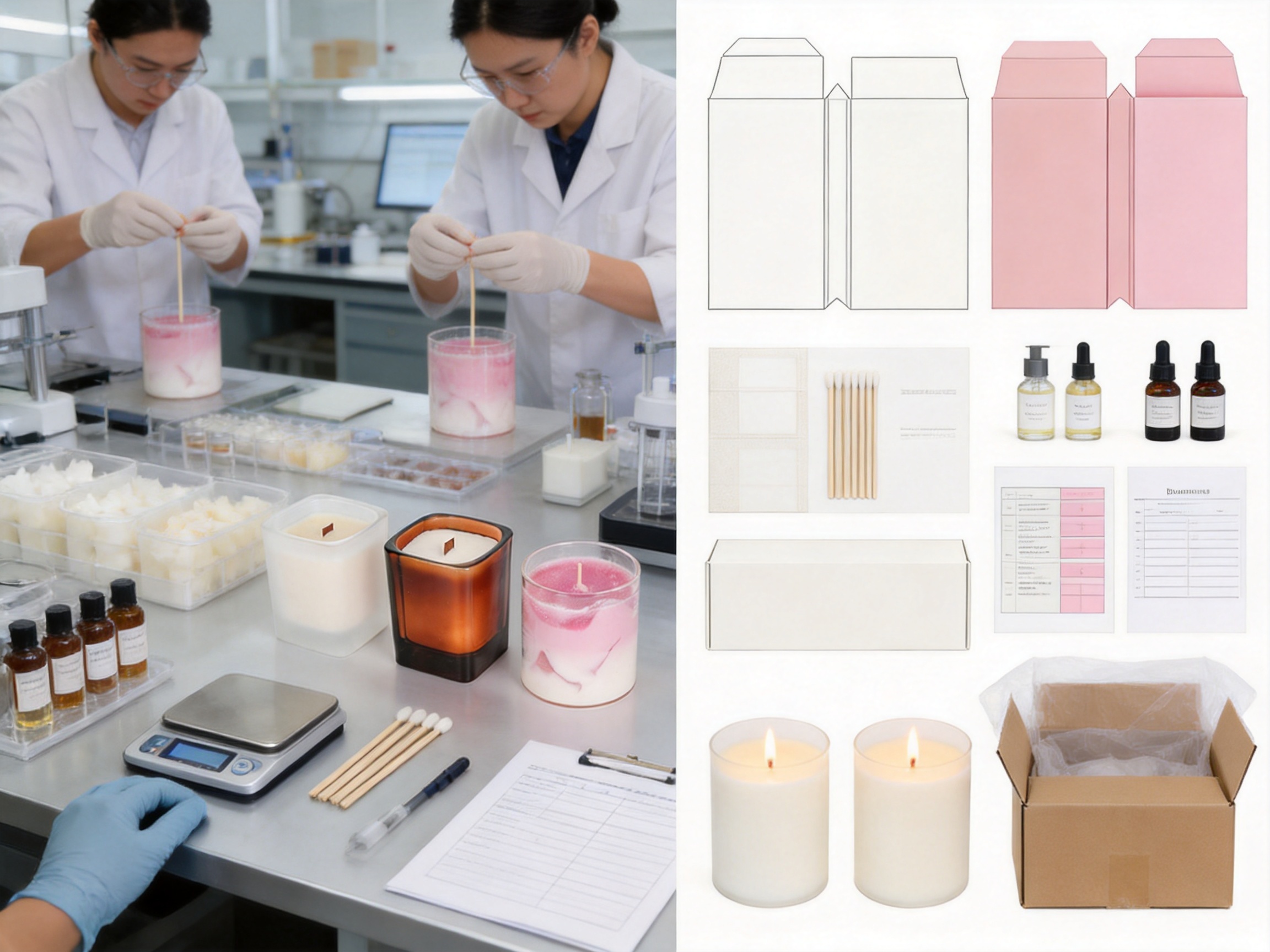
Private-label buyers may begin with a drawing, mood board, competitor reference, physical sample, or general design direction. The development process can then translate that concept into workable specifications for the vessel, wax, wick, fragrance, decoration, and packaging.
The ability to refine a concept through samples is particularly important for artistic candles. A vessel may look attractive in a digital rendering but require changes to its wall thickness, base stability, opening diameter, or surface finish before it is suitable for production. Sampling allows the buyer to evaluate the physical object rather than relying only on images.
A professional home fragrance collection usually includes more than one scent. Buyers may request a coordinated range with fresh, floral, woody, gourmand, seasonal, or spa-inspired profiles. The same vessel design can then be offered in several fragrances, allowing customers to choose according to mood or room.
Collection building also helps retailers create stronger displays. A group of frosted white, amber, and pink marble-inspired candles can be arranged by color, fragrance family, season, or emotional theme. This can increase visual impact and encourage multiple-item purchases.
Packaging must protect the glass vessel during transportation while also communicating product value. A color box can include fragrance information, burn instructions, safety guidance, material details, and brand identity. The design should support the candle’s artistic appearance rather than conceal it.
Packaging customization may include box size, paper selection, printing method, inserts, protective structures, labels, sleeves, and gift-ready presentation. For export orders, carton markings and shipping configurations should also be considered early. Proper packaging planning can reduce breakage risk and improve warehouse handling.
International buyers may require different vessel sizes, fill weights, fragrance concentrations, labeling languages, warning statements, or packaging formats. The product can therefore be developed as a small gift candle, a medium home accessory, or a larger statement piece.
Customization should be managed carefully to preserve product consistency. Each change to the container diameter, wax volume, wick size, or fragrance load may affect the burn profile. Technical testing should be repeated whenever a major specification changes.
The candle is naturally suited to home décor stores because its visual identity is as important as its fragrance. It can be displayed alongside vases, trays, textiles, ceramics, diffusers, and small decorative objects. Its sculpted appearance helps it compete for attention even among non-fragrance products.
The gentle glow and crackling wood wick support a relaxation-oriented product story. The candle can be included in self-care collections featuring bath products, sleep accessories, essential-oil-inspired items, journals, or relaxation gift boxes.
Hospitality environments often use candles to create a warm and memorable atmosphere. The artistic vessel can contribute to table styling, reception décor, guest-room amenities, spa treatment rooms, and seasonal installations. Buyers in this sector may prioritize consistent appearance, dependable supply, fragrance suitability, and packaging that reflects the property’s identity.
A premium candle can function as a practical and attractive gift for clients, employees, wedding guests, housewarmings, or holiday campaigns. Customized boxes and labels can add a personal or corporate message while preserving the refined appearance of the product.
For e-commerce, the product’s strongest features should be communicated through clear photography, concise sensory language, and accurate specifications. The visual contrast between the frosted vessel and the warm flame can be especially effective in digital merchandising. Product descriptions should explain the wood-wick sound, vessel finish, fragrance character, approximate dimensions, and safe-use instructions.
Compared with basic cotton-wick jar candles, the Frosted Glass Wood-Wick Art Candle offers a more distinctive sensory identity. The wooden wick contributes a crackling sound, while the decorative glass creates additional visual value. This can justify premium positioning when the formulation, finish, packaging, and quality remain consistent.
Compared with heavily ornamented candles, the product offers a more restrained and adaptable appearance. Its soft color palette can remain relevant across different interior styles and seasons. This makes it easier for retailers to maintain a consistent collection rather than replace the entire display whenever trends change.
Compared with candles in ordinary transparent jars, the frosted or colored vessel produces a more controlled lighting effect. It softens the flame and adds depth to the visual experience. This is especially useful in settings where a gentle, atmospheric light is preferred.
Compared with decorative objects that provide no functional use, the candle offers both display value and practical sensory performance. The buyer receives an item that can enhance a room when unlit and create fragrance and warmth when used.
| Comparison Factor | Basic Jar Candle | Frosted Glass Wood-Wick Art Candle |
|---|---|---|
| Visual identity | Often depends on labels | Vessel design contributes directly to product value |
| Sound experience | Usually minimal | Gentle crackling may be produced by the wooden wick |
| Light diffusion | May be direct or ordinary | Translucent glass softens and layers the glow |
| Interior compatibility | Depends on label and container style | Neutral and artistic finishes suit multiple décor styles |
| Gift potential | Moderate, depending on packaging | Strong due to decorative appearance and sensory story |
| Customization potential | Varies by supplier | Supports vessel, fragrance, wick, label, and box development |
A premium appearance must be supported by responsible product development. Candle safety depends on the interaction between the wick, wax, fragrance, vessel, and burning instructions. Each component should be evaluated as part of the finished product.
Burn testing should consider the entire expected use cycle. The initial burn can reveal ignition behavior and early melt-pool formation. Mid-life testing can show whether the wick remains stable as the container warms. Final-stage testing can identify whether the remaining wax and wick continue to burn in a controlled manner.
Instructions should advise users to trim the wick as appropriate, keep the candle on a stable heat-resistant surface, avoid leaving it unattended, keep it away from children and pets, and maintain sufficient distance from flammable materials. Customers should also follow any specific guidance supplied with the final product.
Packaging inspection is equally important. A candle with a beautiful glass container can still arrive damaged if internal protection, carton strength, or pallet configuration is inadequate. Cooperation with specialized packaging factories allows buyers to address these issues during development rather than after shipment.
Responsible development also includes realistic claims. The candle may be described as decorative, atmospheric, scented, and suitable for relaxation. However, marketing language should not imply medical treatment or guaranteed psychological outcomes. Clear, accurate communication helps build long-term customer trust.
Developing a successful candle collection requires coordination across many technical and commercial details. The vessel must match the visual concept. The wick must suit the wax and container. The fragrance must perform under heat. The packaging must protect the product. The production schedule must meet the sales launch. Inspection must confirm consistency before export.
A supply-chain partner with access to multiple specialized factories can manage these details more efficiently than a buyer working separately with numerous unrelated suppliers. It can also help compare manufacturing options, coordinate samples, consolidate specifications, and support communication throughout the project.
Hangzhou Leo Home Trading Co., Ltd. was founded in January 2025 and focuses on international trading and supply-chain services for household and daily-use products. Its product scope includes personal care, home and garden, daily tools, and home fragrance items. The company’s home fragrance range includes scented candles, LED candles, scented sets, and related accessories.
The company reports that it has supplied customers in more than 10 countries and regions across North America, Europe, and the Middle East. Its location in Hangzhou, together with logistics access near Ningbo Port, supports international shipment planning. Its stated experience in sourcing, customization, quality control, and cross-border marketing provides a foundation for serving overseas buyers.
The company’s strengths can be summarized in five practical areas. First, it offers customization support based on drawings or samples. Second, its factory and partner network provides access to multiple production capabilities. Third, its in-house laboratory and quality-control procedures support technical consistency. Fourth, its product range allows buyers to develop collections rather than isolated items. Fifth, its reported capacity supports both trial orders and larger replenishment programs.
The buyer should first clarify the intended market, target price, sales channel, vessel appearance, fragrance direction, estimated order quantity, and desired delivery window. A clear product brief helps suppliers recommend practical options.
At this stage, the buyer can compare frosted white, amber, pink marble-inspired, or other available finishes. Important considerations include shape, dimensions, stability, surface consistency, color, label area, and packaging requirements.
The wooden wick and fragrance should be tested in the selected vessel and wax system. Buyers should review the flame, sound, fragrance release, burn behavior, and appearance before approving a final specification.
Packaging samples should be checked for color, artwork, material, dimensions, protective performance, and retail presentation. Shipping cartons should also be evaluated for stacking and handling requirements.
Before bulk manufacturing, the buyer should approve a complete reference sample that includes the vessel, wax color, wick, fragrance, label, box, and accessories. This reference becomes the standard for production inspection.
Finished goods should be checked according to agreed standards. Inspection can cover appearance, quantity, weight, packaging, carton markings, and selected functional characteristics. Once approved, the goods can be prepared for export and delivery.
The product combines an artistic glass vessel, a wooden wick, fragrance, soft light diffusion, and a gentle crackling sound. Its design allows it to function as both a candle and a decorative object.
The wooden wick supports the flame and may produce a subtle crackling sound while burning. It contributes an additional sensory layer that resembles the ambience of a small fireplace.
The minimalist vessel and soft color options are suitable for modern, Scandinavian, contemporary, minimalist, romantic, and many hospitality-inspired interiors.
Yes. OEM and ODM development can support fragrance selection and collection planning. The final fragrance must be tested with the selected wax, wick, and vessel to confirm suitable performance.
Customization may include vessel shape, color, finish, size, decoration, and label presentation, depending on project requirements and production feasibility.
Yes. Buyers can discuss color boxes, labels, sleeves, inserts, protective structures, printing, carton markings, and gift-ready presentation.
Yes. The candle’s vessel, fragrance, label, and packaging can be developed into a private-label collection for retailers, lifestyle brands, hotels, spas, gift companies, and distributors.
Buyers should evaluate the vessel appearance, wax finish, fragrance performance, wick ignition, flame stability, crackling effect, burn behavior, packaging protection, and final labeling.
The company states that it supports smaller volumes and trial runs as well as larger production programs. Exact quantities, sampling conditions, and lead times should be confirmed for each project.
Important controls include raw-material inspection, wick placement, fill weight, glass appearance, fragrance consistency, surface finish, packaging accuracy, burn testing, and finished-goods inspection.
It can be used in bedrooms, living rooms, dining areas, bathrooms, offices, hotels, restaurants, spas, event settings, and gift presentations, provided normal candle-safety practices are followed.
Buyers can combine multiple vessel finishes and fragrance profiles while maintaining a consistent design language. Complementary reed diffusers, diffusers, scented sets, LED candles, and accessories may also be added to broaden the collection.
The Frosted Glass Wood-Wick Art Candle represents a modern approach to home fragrance. It is not limited to the role of a scented consumable. Its sculpted glass vessel provides decorative value, its translucent finishes enhance light diffusion, its wooden wick introduces a gentle crackling sound, and its fragrance creates a warm atmosphere for everyday living.
These features give the product several advantages over ordinary candles. It offers a richer sensory experience, stronger visual differentiation, broader interior compatibility, and greater potential for gift and lifestyle positioning. Its artistic appearance can attract attention before purchase, while its performance encourages continued use after the product reaches the customer’s home.
From a manufacturing perspective, the product benefits from a coordinated supply-chain structure that brings together candle factories, jar customization partners, packaging resources, laboratory support, and quality-control procedures. This structure can help overseas buyers develop customized products with more efficient communication and greater flexibility.
For brands and distributors seeking a premium home fragrance item, the candle can serve as a foundation for a broader collection. Through coordinated choices in vessel finish, fragrance, wick, labeling, and packaging, buyers can create products tailored to different markets without losing a unified visual identity.
With careful testing, accurate specifications, responsible safety guidance, and consistent production management, the Frosted Glass Wood-Wick Art Candle can occupy a strong position in modern home décor, wellness, hospitality, gifting, and lifestyle retail.
1. International Organization for Standardization. General guidance on quality management principles and process-based production control.
2. National Candle Association. Consumer guidance regarding candle care, wick trimming, flame safety, and responsible use.
3. European Committee for Standardization. General considerations for the safety, labeling, and performance evaluation of candles.
4. American Society for Testing and Materials. Industry practices concerning candle containers, burning performance, and consumer product evaluation.
5. International Fragrance Association. General principles concerning fragrance use, product stewardship, and responsible fragrance development.
6. Home fragrance and decorative lighting industry studies concerning consumer preferences for sensory products, interior accessories, and giftable lifestyle goods.

Room 1701, Building C1, Wangjing, Xiaoshan District, Hangzhou City, Zhejiang Province, China.

+86-15937257616

Copyright© 2026 Hangzhou Leo Home Trading Co., Ltd. All Rights Reserved.

Luxury Candles Home Fragrance Manufacturers Modern Candles Factory