 English
 Français
News
Home / Author / Sophia Lin — Product Sales Executive / Frosted Glass Wood-Wick Art Candle for Modern Home Fragrance
Content
The Frosted Glass Wood-Wick Art Candle is designed for buyers, retailers, interior stylists, and home fragrance brands seeking a candle that performs as a fragrance product while also acting as a decorative object. It combines sculpted glass, soft translucent color, a natural wooden wick, and refined proportions to create a product that feels calm, modern, and premium. In a market where many candles compete mainly through scent or packaging, this candle stands out because its value begins before it is lit. Its vessel, finish, texture, and flame experience all contribute to a complete lifestyle product.
Modern consumers no longer view candles only as occasional fragrance items. They increasingly purchase candles as part of interior design, self-care routines, seasonal gifting, relaxation rituals, and brand storytelling. This shift has increased demand for candles that look beautiful on shelves, perform consistently during burning, and offer a memorable sensory experience. The Frosted Glass Wood-Wick Art Candle directly responds to these expectations by blending minimalist visual language with a warm, crackling burn effect and a glass container that diffuses light in a soft, atmospheric way.
Hangzhou Leo Home Trading Co., Ltd. supports this product with an integrated supply chain, customization capability, quality control process, and export-focused service model. Based in Hangzhou, China, the company works across home fragrance, household products, personal care, and daily lifestyle goods, with a strong focus on scented candles, LED candles, gift sets, and related home fragrance collections. Its sourcing network includes candle factories, jar customization partners, color box factories, and quality assurance resources, enabling efficient product development for overseas clients.
The result is a candle that can serve multiple commercial roles. It can be positioned as a luxury home fragrance item, a modern decorative candle, a seasonal gift, a private-label product, or part of a curated lifestyle collection. Its frosted glass and wood-wick construction give it strong shelf presence, while its practical burn behavior supports repeat purchases. For importers and brand owners, this combination of aesthetic value, functional performance, and customization support makes the product especially competitive.

Frosted Glass Wood-Wick Art Candle
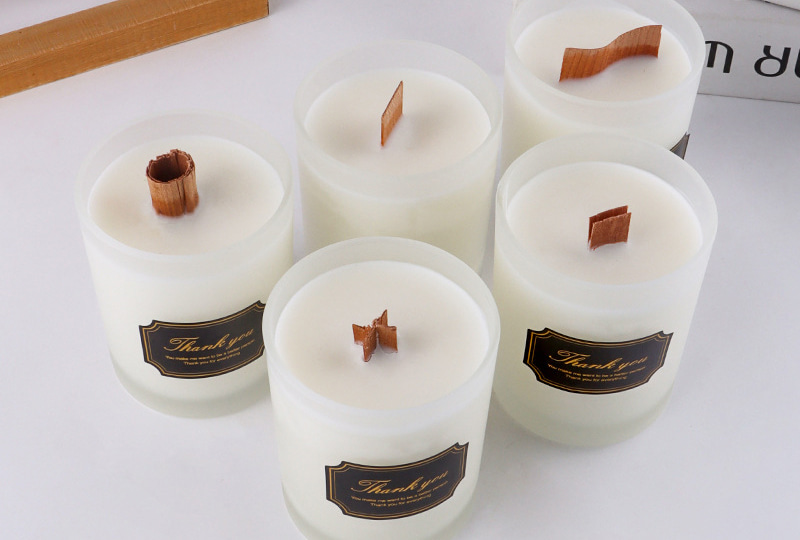
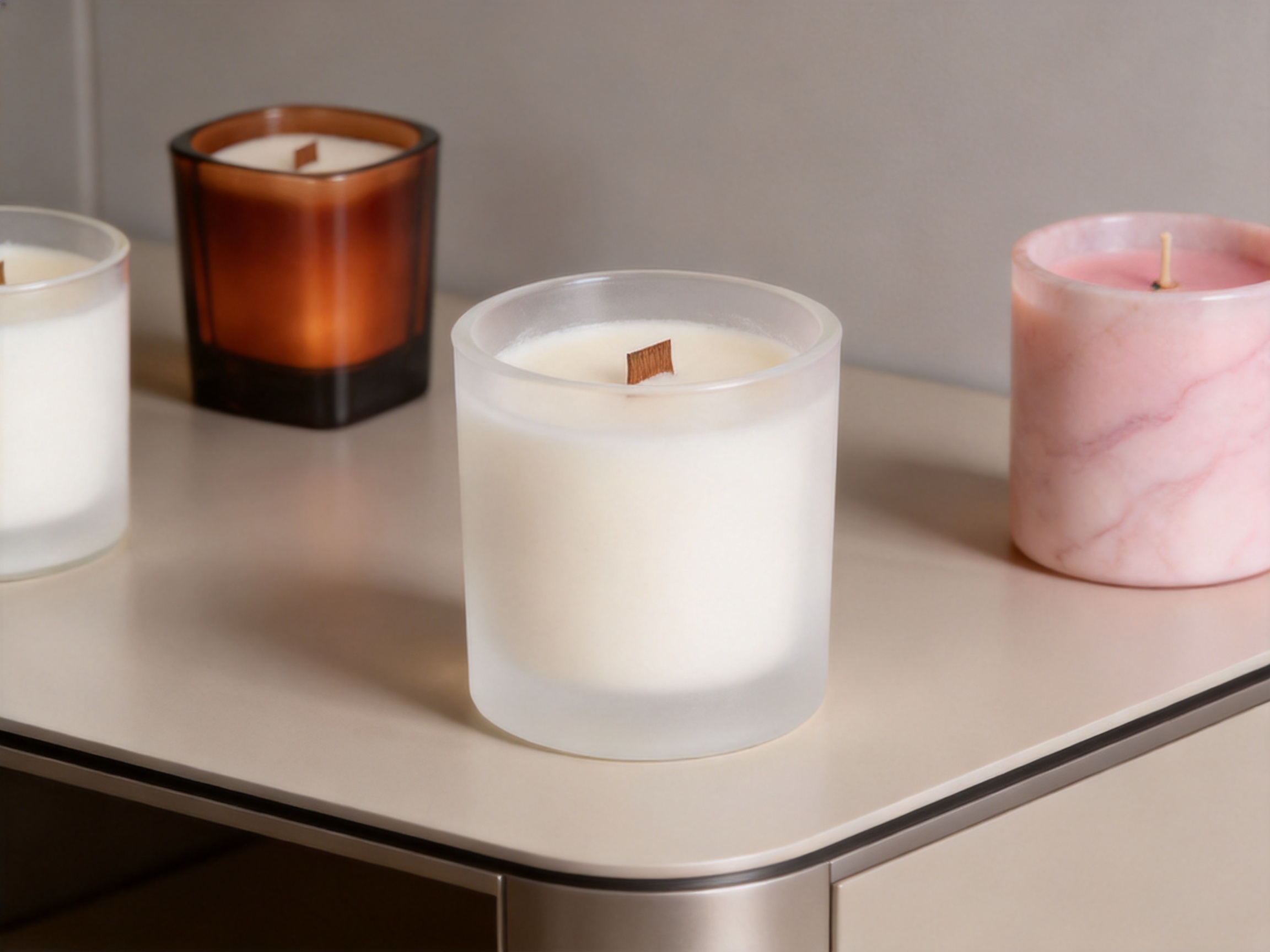
The Frosted Glass Wood-Wick Art Candle is built around a simple but powerful idea: a candle should be useful, beautiful, and emotionally engaging at the same time. Its glass vessel is not treated as an ordinary container. Instead, it becomes part of the product’s identity. The softly frosted surface, smooth curves, and artistic color options create a calm decorative presence that suits contemporary interiors. Available looks include soft frosted white, warm amber, and romantic pink marble-inspired tones, allowing the product to match different seasonal, regional, and retail themes.
The candle belongs naturally within scented candles, art candles, home fragrance, and modern gift categories. It is suitable for bedrooms, living rooms, bathrooms, spa corners, boutique hotels, gift shops, concept stores, online lifestyle platforms, and premium home décor shelves. Its appearance is refined enough for luxury positioning, but the design remains accessible and versatile. This flexibility is a major advantage for retailers that want one product family to serve several consumer groups.
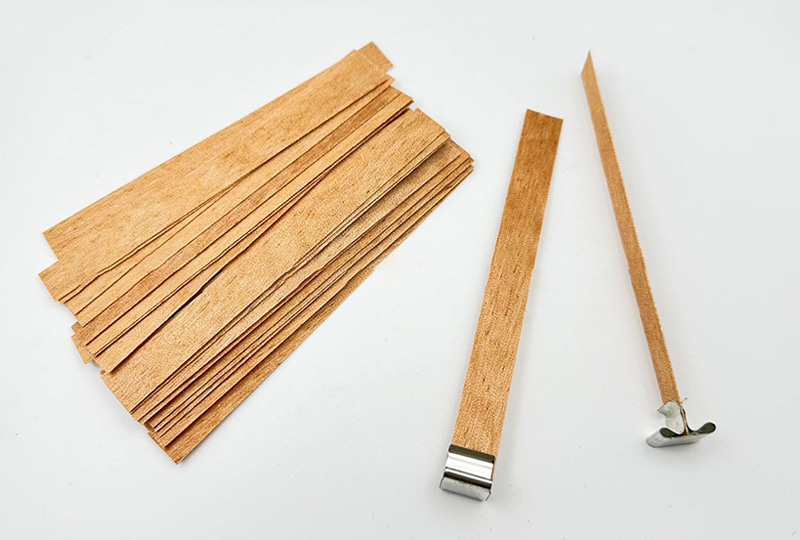
The wooden wick is one of the most important functional features. Unlike a traditional cotton wick, a wooden wick creates a subtle crackling sound as it burns. This sound is often associated with a small fireplace, warm cabin atmosphere, or quiet evening ritual. For consumers seeking relaxation, the experience goes beyond fragrance. It adds a sound element that encourages slower moments, mindfulness, and comfort. In a crowded market, this multisensory effect helps the candle become more memorable.
The frosted glass also improves the visual experience of the flame. When the candle is lit, the translucent vessel softens and filters the light, creating a gentle glow instead of a harsh point of brightness. The result is layered, warm, and atmospheric. This makes the candle suitable for evening use, intimate gatherings, bedside tables, coffee tables, dining settings, and decorative shelves. Even after the candle is extinguished, the vessel remains visually appealing as an object.
The product is also well suited for customization. Buyers may adjust fragrance direction, wax formula, vessel color, label design, outer packaging, gift box style, and collection concept according to market needs. This makes it valuable for private-label brands, home fragrance distributors, gift companies, hotel suppliers, and retailers building their own seasonal collections. With appropriate customization, the same base design can support minimalist, romantic, festive, wellness, botanical, or premium lifestyle positioning.
Glass has long been used in candle containers because it is stable, visually clean, and compatible with many décor styles. However, not all glass vessels create the same impression. Clear glass often highlights the wax directly, which can be suitable for simple jar candles, but it may look too ordinary in premium decorative settings. Heavy opaque containers can feel luxurious, yet they may block the glow of the flame. Frosted glass offers a balanced solution because it hides minor wax surface variations, softens the flame, and produces an elegant tactile impression.
The frosted finish of this candle contributes to a sense of quiet luxury. It avoids excessive shine and communicates softness, calmness, and refinement. Consumers who prefer Scandinavian, modern, minimalist, or natural interiors often choose materials that feel understated rather than overly decorative. The Frosted Glass Wood-Wick Art Candle fits this design direction by using gentle color, smooth surfaces, and sculpted proportions instead of heavy ornamentation.
The vessel also supports visual consistency across collections. A retailer can place multiple colors together and still maintain a cohesive product story. Soft frosted white may communicate purity and calm; amber may suggest warmth, comfort, and autumnal depth; pink marble tones may appeal to romantic, feminine, or gifting themes. Because the form remains consistent, buyers can develop seasonal collections without losing brand identity.
From a merchandising perspective, frosted glass performs well both online and offline. In physical stores, it catches light softly and looks refined on shelves. In e-commerce photography, it creates a premium appearance with simple backgrounds and lifestyle settings. It can be photographed in bedrooms, bathrooms, living rooms, or gift arrangements without looking out of place. This visual flexibility helps online sellers produce strong product images and marketing campaigns.
The glass vessel can also encourage reuse after the candle has finished burning. Many consumers appreciate containers that can become small storage cups, decorative holders, or desk accessories. This supports a more sustainable perception because the vessel has potential value beyond the initial candle use. While reuse depends on local consumer behavior and safe cleaning practices, the artistic glass design increases the chance that buyers will keep the container rather than discard it immediately.
The wooden wick gives the Frosted Glass Wood-Wick Art Candle a clear sensory advantage over ordinary candles. Traditional cotton wicks are familiar, reliable, and widely used, but they usually provide only a visual flame. A well-designed wooden wick can add soft crackling sound, a distinctive flame shape, and a more crafted impression. This difference is important because consumers increasingly seek products that create experiences, not just fragrance release.
The crackling sound is subtle rather than intrusive. It adds a calming background texture that can enhance reading, bathing, meditation, yoga, dinner, or quiet evening routines. For many users, the sound creates an association with warmth and comfort. This emotional link can increase perceived value and improve the likelihood of gifting. A candle that sounds like a miniature fireplace feels more special than a standard jar candle.
Wooden wicks also contribute to visual distinction. The flame tends to spread along the wick surface, producing a broad and steady glow when properly matched with wax and vessel diameter. This flame can look more dramatic and artistic than a small cotton-wick flame. In combination with frosted glass, the effect is gentle and refined. The filtered glow creates a decorative atmosphere that supports premium positioning.
However, wooden wicks require technical care. Wick width, thickness, treatment, wax compatibility, fragrance load, vessel diameter, and burn pool formation all influence performance. A poorly matched wooden wick may tunnel, extinguish, smoke, or burn unevenly. The advantage of working with an experienced supply chain is that these variables can be tested and adjusted before bulk production. Hangzhou Leo Home’s approach emphasizes material selection, sampling, burn testing, and inspection so that the candle can deliver consistent results.
For brands, wooden wick candles can justify higher retail value because they offer a differentiated story. The consumer can understand the feature immediately: the candle crackles while burning. This simple benefit is easy to communicate on packaging, product pages, videos, and in-store displays. It also encourages social media content, as the flame and sound create a more engaging moment than an ordinary candle image.
The home fragrance market includes a wide range of candle types, from low-cost commodity candles to premium artisanal designs. Many standard candles compete heavily on scent names, label design, or price. The Frosted Glass Wood-Wick Art Candle has broader competitive strength because it combines several value layers: decorative vessel, sensory wick, soft light diffusion, customization potential, and reliable production support.
First, its appearance is stronger than that of many standard glass jar candles. Basic transparent jars often rely on a printed label for identity. Once the label is removed or viewed from the side, the product may look plain. The Frosted Glass Wood-Wick Art Candle has identity built into the vessel itself. Its frosted texture and sculpted form remain attractive from every angle. This is especially valuable for retail displays where products are viewed from shelves, tables, or lifestyle arrangements.
Second, the candle provides an enhanced burning experience. The wooden wick creates sound, visual movement, and a crafted feeling. Many competing candles offer fragrance only, while this product combines fragrance ambience with auditory and visual comfort. This makes the candle better suited for self-care and relaxation positioning.
Third, the translucent glass improves atmosphere. Some containers hide the flame almost completely, while clear containers may feel too direct. Frosted glass creates a middle path by allowing light to pass through softly. The candle becomes a small mood lamp, not only a scent source. This gives it an advantage in interior settings where ambience matters.
Fourth, the product supports collection development. The vessel can be adapted through color, fragrance, label, wax shade, lid, box, and gift packaging. This flexibility allows buyers to create different market stories without rebuilding the product from the beginning. A winter line may use amber glass and woody fragrances; a spring line may use pink marble tones and floral notes; a minimalist wellness line may use frosted white and clean herbal scents.
Fifth, the company’s supply chain strength supports commercial reliability. Product beauty is not enough for wholesale buyers. They also require stable quality, consistent delivery, competitive pricing, documentation support, and responsive customization. Hangzhou Leo Home integrates multiple candle factories, jar partners, and packaging suppliers, which helps manage lead times, specifications, and cost control.
| Feature | Frosted Glass Wood-Wick Art Candle | Typical Standard Candle | Buyer Benefit |
|---|---|---|---|
| Container Design | Artistic frosted glass with refined color options | Basic clear or plain jar | Stronger shelf presence and higher perceived value |
| Wick Type | Wooden wick with gentle crackling effect | Common cotton wick | More memorable multisensory experience |
| Light Effect | Translucent glass softly diffuses flame glow | Direct or blocked flame visibility | Warmer atmosphere for home décor use |
| Customization | Supports fragrance, vessel, label, and packaging options | Often limited to label or scent changes | Better private-label and seasonal collection development |
| Supply Support | Integrated factory, jar, packaging, and QC network | Single-source or limited supplier model | More flexible sourcing and stable bulk delivery |
A premium candle requires more than attractive design. It depends on a controlled production process where wax, fragrance, wick, vessel, temperature, curing time, and packaging all work together. Hangzhou Leo Home supports candle development through a supply chain model that connects product design, material sourcing, factory coordination, laboratory checks, finished goods inspection, and export logistics. This structure is especially useful for overseas clients who need reliable results but may not have local production teams in China.
The process begins with product specification confirmation. Buyers may provide target market information, desired fragrance family, vessel style, price range, packaging concept, compliance expectations, and order quantity. The team then helps refine the candle’s structure, including wax type, fragrance load, wick specification, vessel size, fill weight, label area, and packaging method. This early-stage clarification reduces misunderstandings and improves sampling efficiency.
Glass vessel preparation is a critical step. Frosted glass must be visually consistent, smooth to the touch, and suitable for candle filling. Color tone, surface finish, wall thickness, and shape tolerance are reviewed before mass use. The company’s jar customization partners help support different vessel appearances, including frosted, amber, marble-effect, or other decorative finishes. Proper glass selection helps reduce issues such as cracking, uneven appearance, or poor visual matching between batches.
Wax preparation requires careful temperature control. Whether the formula uses soy wax, blended wax, paraffin blends, coconut-based blends, or other market-appropriate materials, the wax must be melted and mixed under suitable conditions. Fragrance oil is added at a controlled temperature to support scent distribution and performance. If the fragrance is added too hot or too cold, the candle may lose scent strength, sweat, separate, or burn inconsistently. Controlled blending improves both cold throw and hot throw.
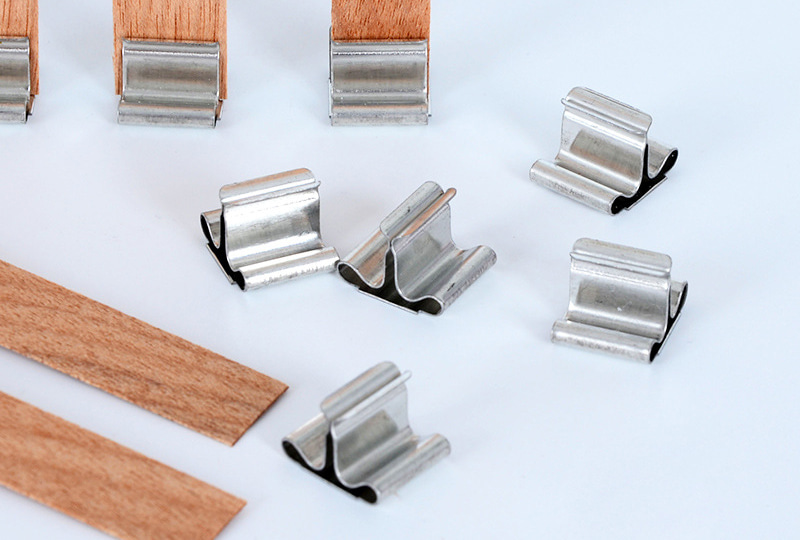
Wick placement is another key stage. Wooden wicks must be centered and secured to encourage even melting. If the wick shifts, the candle may burn unevenly or create excessive heat near one side of the vessel. During production, wick holders or alignment tools may be used to maintain position while the wax cools. The wick specification is matched to vessel diameter, wax formula, fragrance concentration, and desired flame performance.
Pouring temperature and cooling environment influence final appearance. Frosted glass can hide some minor wax irregularities, but premium candles still require a clean top surface and stable structure. Controlled pouring helps minimize sinkholes, air pockets, cracking, frosting irregularity in natural waxes, and adhesion problems. After pouring, candles require curing time so fragrance and wax stabilize. This step is important for scent performance and burn reliability.
Burn testing is essential, especially for wooden wick candles. Samples are tested to evaluate flame height, melt pool development, smoke level, soot tendency, self-extinguishing risk, vessel temperature, wax consumption, and fragrance release. Adjustments may be made to wick size, wax formula, fragrance percentage, or fill weight. This testing allows the product to achieve a stable balance between beauty, safety, and performance.
Finished goods inspection covers appearance, fill weight, wick position, glass quality, label alignment, packaging accuracy, and carton condition. For export orders, the company can also support packaging requirements, product labeling needs, and shipping coordination. Quality assurance is not limited to one final check; it is built across the process from material selection to finished goods review. This approach reduces the risk of defects reaching overseas warehouses or retail shelves.
Hangzhou Leo Home’s strength lies in combining trading service with manufacturing coordination. The company integrates resources from candle factories, jar customization partners, and color box factories. This gives buyers access to a wider manufacturing ecosystem without needing to manage each supplier separately. For candle brands and importers, this can save time, reduce communication complexity, and improve development speed.
The supply network includes multiple candle production partners, which helps support different styles such as jar candles, shaped candles, jelly candles, LED candles, scented sets, and seasonal home fragrance items. For the Frosted Glass Wood-Wick Art Candle, this means buyers can expand from one hero product into related categories. A brand may start with frosted glass candles, then add reed diffusers, wax melts, ceramic candles, gift boxes, or coordinated scented sets.
Jar customization is particularly important for this product. The glass vessel is a major part of its identity, so access to jar partners enables color adjustment, surface treatment, shape development, and decorative effects. Buyers can request a refined minimalist finish, warmer amber tones, soft romantic colors, or designs that match their brand palette. This flexibility helps private-label clients avoid generic products and develop a more distinctive market presence.
Packaging supply is also important. A premium candle must arrive safely and present well. Color boxes, gift boxes, inserts, labels, sleeves, and shipping cartons must be designed for both aesthetics and protection. The company’s packaging network can support retail-ready presentation, gift positioning, seasonal themes, and e-commerce shipping needs. Strong packaging reduces breakage risk and improves unboxing value.
Production flexibility is another commercial advantage. The company states that daily capacity can reach up to 50,000 units through its supply chain, supporting stable bulk delivery and replenishment. At the same time, smaller volumes and trial runs may be supported depending on project requirements. This flexibility is valuable for brands testing new designs, retailers launching seasonal collections, and distributors evaluating market response before scaling.
Export experience matters because candle products often require careful packing, documentation, and schedule management. Hangzhou Leo Home mainly exports to Europe and North America and has experience serving markets across North America, Europe, and the Middle East. Its location near major logistics resources, including access toward Ningbo Port, supports efficient shipping arrangements. For overseas buyers, this helps reduce uncertainty in international trade.
The Frosted Glass Wood-Wick Art Candle is well suited for OEM and ODM development because it has a strong base design but many adjustable details. Private-label buyers can keep the core frosted glass and wooden wick concept while adapting the candle to their own market, price point, and brand story. This is especially useful in the home fragrance industry, where differentiation often depends on scent identity, packaging language, and visual consistency.
Fragrance customization is one of the most important options. Depending on target consumers, the candle can be developed with floral, woody, citrus, gourmand, herbal, fresh, oriental, spicy, or seasonal fragrance profiles. A wellness brand may choose lavender, eucalyptus, sandalwood, or green tea. A luxury home brand may choose amber, oud, cedar, fig, or white musk. A festive collection may use cinnamon, pine, vanilla, cranberry, or warm spice notes. The company can support fragrance selection according to customer direction and market positioning.
Vessel customization allows further differentiation. Colors can be selected to match collection themes. Frosted white creates a clean spa-like mood; amber feels warm and timeless; pink marble tones support romantic and gifting concepts. Additional design adjustments may include label size, printed decoration, lid choice, and outer box style. These changes allow the same candle structure to serve different retail categories.
Label and packaging development help translate the product into a brand experience. A minimalist brand may use a simple paper label and clean typography. A premium gift brand may choose textured boxes, metallic stamping, rigid packaging, or coordinated ribbon details. An eco-conscious line may prefer kraft paper, simple printing, and recyclable packaging concepts. The company’s packaging partners can support these directions according to customer requirements.
Specification customization may include fill weight, burn time target, wax blend, fragrance percentage, wick type, packaging unit, and set combination. The candle can be sold individually or combined with reed diffusers, matches, candle accessories, or other fragrance products. This makes it suitable for gift sets, subscription boxes, hotel welcome amenities, retail displays, and seasonal promotional kits.
ODM support is valuable for clients who want product development assistance rather than simply placing orders from an existing catalog. The team can help refine specifications based on drawings, samples, market ideas, or target price. This development support can shorten the path from concept to finished product. For overseas buyers without in-house candle engineers, such guidance is an important advantage.

Quality assurance is central to the commercial success of any candle. A beautiful candle may fail in the market if it tunnels, smokes, cracks, leaks fragrance, arrives damaged, or produces inconsistent scent. The Frosted Glass Wood-Wick Art Candle benefits from a quality control mindset that covers raw materials, production stages, inspection, and packaging. Hangzhou Leo Home emphasizes strict QC across key stages, supported by an in-house lab and experienced supply chain partners.
Raw material selection begins with wax, fragrance oil, wick, glass vessel, label material, and packaging components. Each material must be compatible with the final product. For example, a fragrance that smells excellent in a bottle may not perform well in wax. A wick that burns well in one vessel may not work in another. A glass finish that looks beautiful may require careful packing to prevent surface scratches. Quality begins by confirming these factors before bulk production.
Wax and fragrance compatibility is particularly important. Candles need stable scent distribution, clean appearance, and controlled burning. Testing helps determine whether the fragrance causes discoloration, sweating, poor hot throw, excessive flame, or wick clogging. For wooden wick candles, compatibility is even more important because the wick must draw melted wax properly and maintain flame stability.
Glass inspection helps protect product appearance and safety. The vessel should be checked for visible defects, uneven color, sharp edges, cracks, severe bubbles, deformation, or unstable base structure. Because frosted glass is part of the premium design, consistency matters. A batch with uneven frost finish or mismatched color can damage brand image. Careful supplier selection and inspection reduce this risk.
During production, fill weight control ensures consistency across units. Consumers notice when candles appear underfilled or uneven. Retail buyers also require reliable specifications for labeling and pricing. Wick centering is checked because off-center wicks can lead to uneven burn and localized overheating. Surface finish is reviewed to ensure the candle looks clean when opened by the customer.
Burn testing provides practical performance data. A candle is not fully evaluated by appearance alone. It must be lit and observed through burn cycles. Testers review melt pool formation, flame behavior, vessel temperature, smoke, soot, scent release, and remaining wax pattern. If problems appear, the formula or wick specification can be adjusted before mass production. This process helps prevent costly complaints after shipment.
Packaging inspection is equally important for glass candles. The vessel must be protected from impact, vibration, and compression during international transportation. Inserts, boxes, dividers, and outer cartons should match the product size and shipping method. Labels and boxes are checked for correct artwork, barcode placement, printing quality, and language requirements. Good packaging protects both the physical product and the brand image.
The Frosted Glass Wood-Wick Art Candle is designed to fit naturally into modern living spaces. Its minimalist shape and muted color palette make it compatible with many interior styles, including Scandinavian, contemporary, Japandi, soft luxury, modern romantic, and calm neutral décor. It does not depend on excessive decoration. Instead, it uses material, proportion, and light to create elegance.
In a bedroom, the candle can sit on a bedside table, dresser, or reading corner to create a quiet evening mood. The frosted glass softens the flame, while the wooden wick adds a low crackling sound. In a living room, it can be placed on a coffee table, shelf, or console as both fragrance and art object. In a bathroom, it supports spa-like relaxation when paired with towels, bath salts, or personal care items. In a dining setting, it adds warmth without overwhelming the table.
The product also works well for boutique hospitality environments. Small hotels, guest houses, spas, salons, and wellness studios often seek fragrance products that look refined and photograph well. A candle with a decorative vessel can strengthen the guest experience and support the venue’s visual identity. Customized fragrance and packaging can further connect the product to the business’s brand story.
For gift buyers, the candle offers immediate emotional value. It looks thoughtful, useful, and decorative. The recipient does not need to understand technical candle details to appreciate the design. Once lit, the crackling wooden wick adds surprise and delight. This makes the candle suitable for birthdays, holidays, housewarming gifts, wedding favors, corporate gifts, and seasonal gift boxes.
Retailers can merchandise the candle with related products such as reed diffusers, candle holders, matches, trays, room sprays, bath products, or decorative textiles. Its visual softness allows it to blend into curated displays rather than compete aggressively with other items. This makes it useful for lifestyle retail environments where product harmony matters.
Although the vessel and wick are major selling points, fragrance remains essential. The ideal fragrance strategy depends on target market, season, brand identity, and price level. Because the Frosted Glass Wood-Wick Art Candle has a calm and premium visual style, it pairs especially well with fragrances that feel refined rather than overly artificial. Woody, amber, musk, floral, fresh linen, tea, citrus, herbal, vanilla, and soft spice directions can all work well.
For a minimalist wellness line, recommended fragrance themes might include white tea and sage, lavender cedar, eucalyptus mint, hinoki wood, green bamboo, or soft cotton. These scents align with the clean frosted glass aesthetic and appeal to consumers seeking relaxation. For a luxury home line, amber sandalwood, oud rose, cashmere musk, fig leaf, black tea, or smoky vanilla can support a more sophisticated image. For a romantic gift line, peony blush, rose quartz, cherry blossom, vanilla orchid, or pink pepper floral can complement the pink marble-inspired vessel.
Seasonal positioning can help drive repeat purchases. Spring collections may feature floral and green fragrances. Summer can emphasize citrus, marine, coconut, or fresh herbal notes. Autumn can focus on amber, sandalwood, fig, cinnamon, or smoky woods. Winter can include pine, cedar, vanilla, spice, and warm musk. Because the vessel colors can also be adjusted, buyers can create coherent seasonal stories.
Market positioning should communicate both design and experience. Instead of describing the candle only by fragrance name, sellers can highlight the frosted glass glow, wooden wick crackle, artistic vessel, and calm interior style. These features help justify premium pricing and differentiate the product from ordinary candles. Marketing messages can focus on phrases such as modern home fragrance, decorative art candle, crackling wood-wick ambience, soft frosted glow, and customized luxury candle collections.
For online sales, video content can be especially effective. The flicker of the flame through frosted glass and the sound of the wooden wick are more persuasive when seen and heard. Short videos can show the candle on a bedside table, in a living room, beside a bathtub, or as part of a gift set. This type of content helps consumers imagine the candle in their own homes.
Sustainability is increasingly important in the home fragrance industry. Consumers are more aware of packaging waste, material selection, product longevity, and reusable containers. While every project has different requirements, the Frosted Glass Wood-Wick Art Candle supports responsible product thinking through its durable glass vessel, potential reuse value, and customization options that can include more eco-conscious packaging choices.
The artistic glass container is more likely to be kept after use than a basic disposable jar. Because it has decorative appeal, consumers may repurpose it for small storage, desk organization, vanity accessories, or display. This helps extend the perceived life of the product. Reuse potential is not only an environmental message; it also increases customer satisfaction because the buyer feels they received a lasting object.
Packaging choices can be adjusted according to buyer priorities. Some clients may prefer recyclable paper boxes, reduced plastic use, soy-based ink concepts, kraft packaging, or simple protective sleeves. Others may require luxury rigid boxes for premium gifting. The company’s packaging network allows customers to balance sustainability, cost, protection, and brand presentation.
Wax selection can also be customized depending on market expectations. Some buyers may request soy wax, blended vegetable wax, coconut wax blends, or other formulas. Each wax has different performance characteristics, cost, appearance, and fragrance behavior. The key is to choose a formula that supports both consumer expectations and reliable burning. Responsible product development means not selecting materials only for marketing claims, but testing them for actual performance.
Quality control also contributes to sustainability by reducing waste. Defective candles, broken packaging, unstable burning, and poor fragrance performance all lead to returns, disposal, and resource loss. A reliable development and inspection process helps ensure that products shipped internationally are usable, attractive, and commercially successful. Better quality means fewer wasted materials and stronger consumer trust.
The Frosted Glass Wood-Wick Art Candle can be adapted for many sales channels. In specialty home fragrance stores, it can serve as a hero product because of its visual and sensory features. In gift shops, it can be packaged as a ready-to-give item. In home décor stores, it can be displayed alongside vases, trays, textiles, and decorative accessories. In online stores, it can be positioned as an affordable luxury item for self-care and gifting.
For supermarkets or department stores, the candle can be developed in a more accessible specification while retaining the frosted glass and wooden wick identity. For boutique retailers, premium fragrance, refined packaging, and limited-edition colors can create exclusivity. For hotels and spas, customized fragrance and subtle branding can help create a signature atmosphere. For corporate gifting, the candle can be combined with packaging, greeting cards, or branded sleeves.
Subscription boxes are another strong opportunity. The candle’s visual appeal makes it suitable for lifestyle, wellness, home décor, and seasonal gift subscription programs. Different colors and fragrances can be released monthly or quarterly. Because the base design is consistent, subscription brands can build recognition while still offering variety.
Wholesale distributors may benefit from carrying this candle because it has broad appeal across regions. The minimalist design does not depend heavily on one cultural theme, and the fragrance can be adjusted for local preferences. European markets may favor clean, botanical, or sophisticated woody notes. North American buyers may respond well to cozy, seasonal, gourmand, and wellness scents. Middle Eastern markets may appreciate amber, oud, musk, and rich floral directions.
The product can also support brand expansion. A company may launch the frosted glass candle first, then add matching reed diffusers, room sprays, wax tablets, ceramic candles, or scented sets. This creates a complete home fragrance family and increases average order value. Hangzhou Leo Home’s broader product scope makes such expansion practical for clients seeking one-stop sourcing.
Hangzhou Leo Home Trading Co., Ltd. was founded in January 2025 and is based in Hangzhou, China. Although young as a company, it is built on supply chain experience, cross-border trading knowledge, and a focused service model for household and daily necessities. Its product scope includes personal care, home and garden, daily tools, and a strong focus on home fragrance. This broader lifestyle background helps the company understand how candles function not only as scent products, but also as home décor, gifts, and daily comfort items.
The company operates with a modern office setup and a dedicated team covering product development, international sourcing, and cross-border marketing. This structure is valuable for overseas buyers because successful candle projects require more than factory production. They require trend understanding, packaging communication, specification management, supplier coordination, quality follow-up, documentation, and shipping support. Hangzhou Leo Home positions itself as a partner that can connect these steps.
One of the company’s major strengths is customization. It supports professional development based on drawings, samples, market references, or buyer concepts. For the Frosted Glass Wood-Wick Art Candle, this may involve refining glass color, fragrance direction, wick performance, label appearance, box style, and gift set structure. This allows clients to build competitive product lines rather than simply purchasing generic inventory.
Another strength is supply chain integration. The company connects candle factories, jar customization partners, and color box factories to manage cost, quality, and delivery. This network helps buyers access a wider range of styles while maintaining coordinated communication. It also supports competitive pricing because components can be sourced and compared within an established supplier system.
Quality assurance is emphasized through an in-house lab and strict QC across key stages. From materials to finished goods, the company focuses on consistency and reliability. This is particularly important for candles because small changes in materials or process can affect burn performance. With structured checks, the company helps buyers reduce the risk of unstable products reaching the market.
The company also offers diverse styles. Beyond frosted glass wood-wick candles, it can support jar candles, shaped candles, jelly candles, LED candles, reed diffusers, accessories, candle components, raw materials, and scented sets. This diversity allows customers to create coordinated collections and respond to seasonal demand. Retailers can source multiple related products through one service partner, simplifying procurement.
Flexible delivery is another advantage. Through its supply chain, daily capacity can reach up to 50,000 units for stable bulk delivery and replenishment. At the same time, smaller volumes and trial runs may be supported, which is useful for market testing. This balance of scalability and flexibility is important for modern buyers who need to manage inventory risk while staying responsive to trends.
For the end user, the experience begins when the candle is placed in the home. The frosted vessel looks decorative even before the first burn. It can sit comfortably on a nightstand, coffee table, shelf, vanity, desk, or bathroom counter. Its smooth surface and soft colors create a relaxed visual mood. This pre-use appeal matters because many candles spend more time displayed than burning.
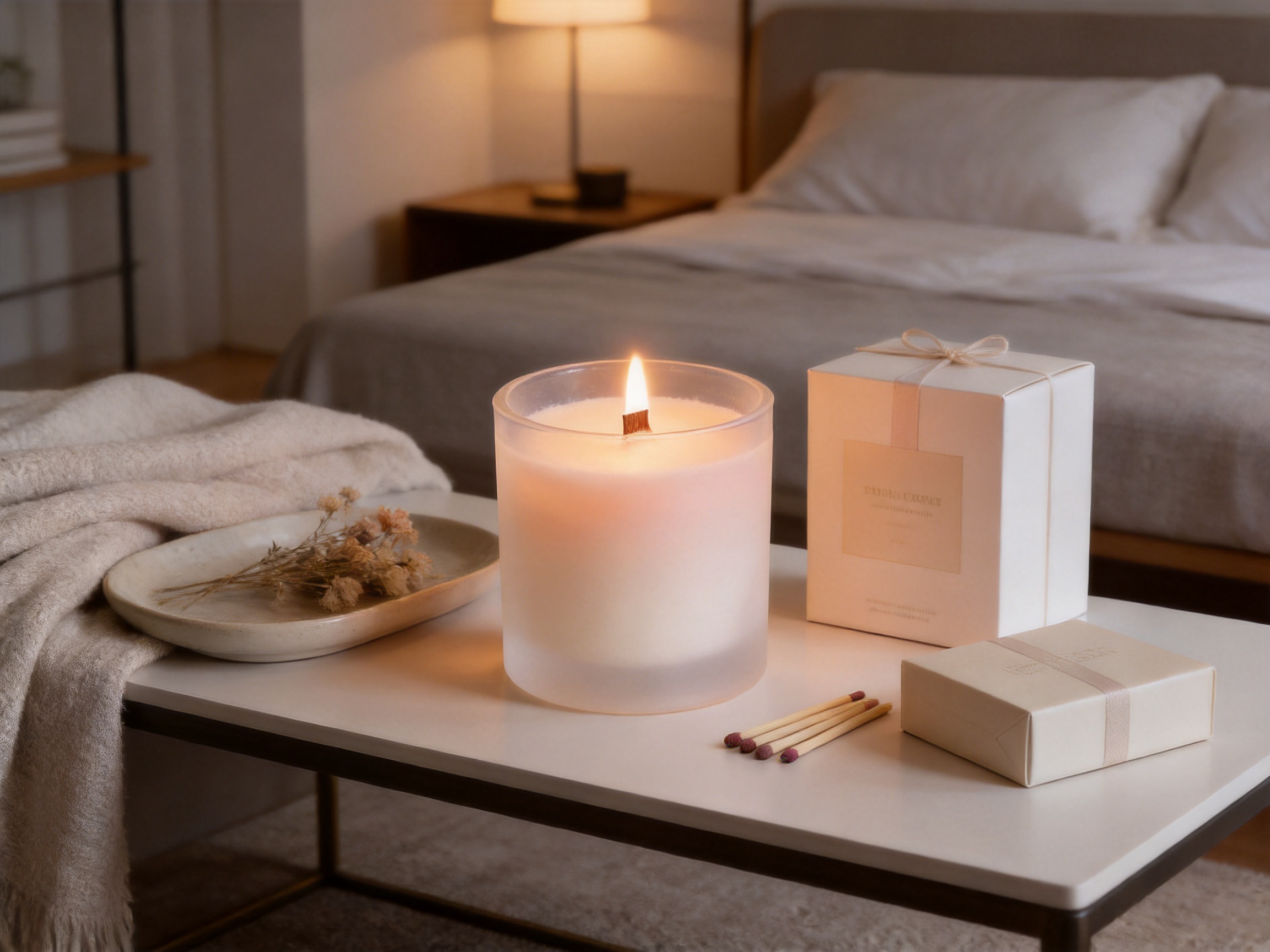
When lit, the wooden wick introduces a gentle crackle. The sound is quiet but noticeable enough to create atmosphere. The flame reflects through the frosted glass, producing a warm glow that feels softer than an exposed flame. The candle becomes part of the room’s lighting and ambience. This is why the product is especially suitable for evening routines, reading, bathing, meditation, dinner, and slow weekend mornings.
As the wax melts, fragrance begins to diffuse into the room. The ideal scent level should be pleasant without becoming overpowering. Buyers can customize fragrance strength according to market expectations, room size, and regulatory needs. A balanced fragrance experience encourages repeated use because consumers can enjoy the candle in everyday settings rather than reserving it only for special occasions.
Proper candle care can improve performance. Users should trim or maintain the wooden wick according to instructions, allow the wax to melt evenly during the first burn, avoid burning for excessive periods, place the candle on a heat-resistant surface, and keep it away from drafts. Clear care instructions on packaging or inserts can reduce consumer misuse and improve satisfaction.
After the candle is finished, the vessel can potentially be cleaned and reused if safe cleaning guidance is followed. This gives the consumer a lasting decorative item and reinforces the product’s value. For brands, this also means the vessel may remain visible in the consumer’s home long after the candle has burned, extending brand presence if discreet branding is included.
From a business perspective, the Frosted Glass Wood-Wick Art Candle offers several advantages. It has strong visual differentiation, which helps attract attention in crowded retail environments. It has a clear sensory story through the wooden wick. It supports premium positioning through glass design and atmospheric glow. It can be customized for private-label development. It is backed by a supply chain capable of scaling production and supporting export needs.
For importers, the product can fill the growing demand for decorative home fragrance. It is not limited to one season and can be adapted through fragrance and color. This reduces product development risk because the same structure can support multiple launches. Importers can build a year-round candle program around a reliable base design.
For retailers, the candle has merchandising strength. It photographs well, displays well, and can be paired with many home and gift items. Its premium appearance can raise the perceived value of a shelf or collection. Because consumers often buy candles as gifts, attractive packaging can further increase conversion.
For brand owners, the product supports storytelling. A brand can emphasize calm living, modern design, crackling ambience, artistic glass, or customized fragrance. These stories can be expressed through packaging, product pages, social media, and retail displays. The candle’s design provides enough substance to support premium language without relying only on marketing claims.
For e-commerce sellers, the product offers content opportunities. Videos can demonstrate the wooden wick crackle and glowing frosted glass. Lifestyle photos can show the candle in bedrooms, bathrooms, and living rooms. Reviews may naturally mention appearance, sound, fragrance, and gifting experience. These features help build consumer confidence online.
It combines a decorative frosted glass vessel, a crackling wooden wick, soft light diffusion, and customizable fragrance options. Ordinary candles often focus mainly on scent, while this candle offers visual, auditory, and atmospheric value.
A wooden wick creates a gentle crackling sound and a distinctive flame effect. This makes the candle feel warmer, more relaxing, and more memorable than many standard cotton-wick candles.
Yes. Buyers can customize fragrance, vessel color, label design, wax formula, packaging style, gift box format, and related collection details. This makes the product suitable for OEM and ODM development.
The candle suits modern, Scandinavian, minimalist, Japandi, soft luxury, romantic, and contemporary interiors. Its frosted glass and refined color palette allow it to blend easily with different décor themes.
The frosted glass softens the flame and creates a warm diffused glow. It also gives the candle a premium tactile and visual impression, making it attractive even when not lit.
Important checks include glass quality, wax and fragrance compatibility, wick centering, fill weight, surface finish, burn performance, packaging strength, and final appearance inspection.
Yes. Its artistic vessel, premium appearance, and wooden wick experience make it well suited for holiday gifts, housewarming gifts, corporate gifts, wedding favors, and curated scented sets.
The company provides sourcing, customization, sample development, supply chain coordination, quality control, packaging support, and export logistics assistance for international clients.
The Frosted Glass Wood-Wick Art Candle is more than a standard scented candle. It is a modern home fragrance product that combines decorative design, sensory burning, soft lighting, and customization potential. Its frosted glass vessel gives it elegance and shelf appeal. Its wooden wick creates a warm crackling experience. Its translucent glow enhances interior atmosphere. Its adaptable fragrance and packaging options make it suitable for private-label brands, retailers, gift suppliers, and lifestyle product distributors.
Compared with ordinary candles, the product offers stronger differentiation and greater emotional value. It appeals to consumers who want their homes to feel calm, beautiful, and personal. It also appeals to buyers who need products that can perform across retail, e-commerce, gifting, hospitality, and seasonal markets. With the support of Hangzhou Leo Home Trading Co., Ltd., clients can access integrated supply chain resources, customization services, quality assurance, and export-focused coordination.
In today’s competitive home fragrance market, successful products must combine appearance, function, story, and reliability. The Frosted Glass Wood-Wick Art Candle achieves this balance. It is decorative without being excessive, sensory without being complicated, and premium without losing versatility. For businesses seeking modern candles, luxury home fragrance products, custom candle collections, or OEM/ODM candle solutions, it represents a strong and commercially adaptable choice.
National Candle Association. Candle Safety and Burning Guidelines.
ASTM International. Standard Guides and Practices Related to Candle Fire Safety.
European Candle Association. Quality Standards and Consumer Guidance for Candles.
International Fragrance Association. Fragrance Use and Safety Standards.
Society of Cosmetic Chemists. Fragrance Stability and Material Compatibility Principles.
Home Fragrance Industry Reports. Consumer Trends in Scented Candles, Gift Sets, and Decorative Home Fragrance.

Room 1701, Building C1, Wangjing, Xiaoshan District, Hangzhou City, Zhejiang Province, China.

+86-15937257616

Copyright© 2026 Hangzhou Leo Home Trading Co., Ltd. All Rights Reserved.

Luxury Candles Home Fragrance Manufacturers Modern Candles Factory