 English
 Français
News
Home / Author / Sophia Lin — Product Sales Executive / 3-Scent Botanical Soy Candle Set: A Complete Guide to Giftable Home Fragrance, Product Advantages, and OEM Manufacturing
Content
Home fragrance has developed from a seasonal purchase into an everyday lifestyle category. Consumers now use candles not only to decorate a room, but also to create a personal atmosphere, mark special occasions, support relaxation, and express taste through fragrance and packaging. This shift has created strong demand for products that combine attractive presentation, accessible pricing, dependable performance, and a sense of discovery.
The 3-Scent Botanical Soy Candle Set brings these needs together in one retail-ready format. It contains three 80g soy-blend scented candles in glass jars, featuring Rose, Lavender, and Osmanthus fragrances. The candles are presented in a lavender floral gift box with a clear display window, allowing shoppers to see the complete assortment before purchase. Each candle carries its fragrance name and a matching botanical illustration, creating a coordinated visual identity across the set.
As a product concept, the set is especially suitable for gift shops, lifestyle retailers, department stores, online marketplaces, seasonal collections, hotel amenities, beauty and wellness channels, and home décor programs. Rather than requiring the customer to choose one fragrance without experiencing the wider collection, the three-piece configuration provides variety within a single purchase. The recipient can use different fragrances according to mood, room, season, or time of day.
From a sourcing perspective, the set also offers practical advantages. Its glass jar format is familiar to consumers, the 80g size supports meaningful use while remaining compact, and the window box simplifies product presentation in retail environments. For importers and private-label buyers, the concept can be adapted through fragrance selection, candle size, labeling, packaging, and gift-box design.
This article examines the product’s design, fragrance positioning, packaging performance, retail advantages, quality considerations, and manufacturing support. It also explains how an integrated supply chain, dedicated quality control, customization capabilities, and flexible production resources can help buyers develop competitive candle collections.

3-Scent Botanical Soy Candle Set — Rose, Lavender & Osmanthus
The set consists of three single-wick soy-blend candles, each weighing 80g. Every candle is filled into a glass jar and identified by a fragrance name and botanical illustration. The three fragrances are Rose, Lavender, and Osmanthus. Together, they create a balanced assortment covering romantic, herbal, and spiced-floral fragrance directions.
| Product Element | Specification or Feature | Retail Benefit |
|---|---|---|
| Product format | Three-piece scented candle gift set | Offers variety and increases perceived gift value |
| Candle quantity | Three individual candles | Allows different fragrances to be used in different moods or spaces |
| Wax type | Soy-blend wax | Supports a clean, contemporary product positioning |
| Net weight | 80g per candle | Provides a practical balance between trial size and usable burn time |
| Container | Glass jar | Creates a familiar and attractive home-fragrance appearance |
| Wick format | Single wick | Supports a simple, recognizable candle design |
| Fragrance assortment | Rose, Lavender, and Osmanthus | Combines floral, herbal, and spiced-floral profiles |
| Packaging | Lavender floral gift box with clear window | Improves shelf visibility and gifting appeal |
| Customization | Fragrance, size, labels, and packaging can be adapted | Supports OEM and private-label programs |
The individual candle format is deliberately clean and familiar. Glass jars are widely recognized in the candle category, which reduces the need for extensive consumer education. They can fit on bedside tables, bathroom shelves, desks, consoles, dining tables, and other small surfaces without dominating the surrounding décor.
The 80g size is also commercially useful. It is larger than a very small sample candle, giving the consumer enough product for repeated use, while remaining more affordable and easier to package than a large premium jar. For gifting, the three-candle arrangement creates a stronger presentation than a single small candle while keeping the overall package compact.
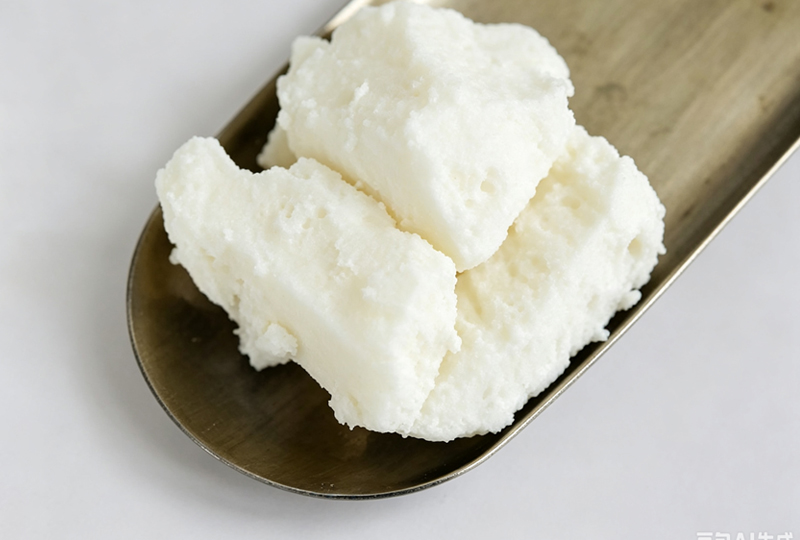
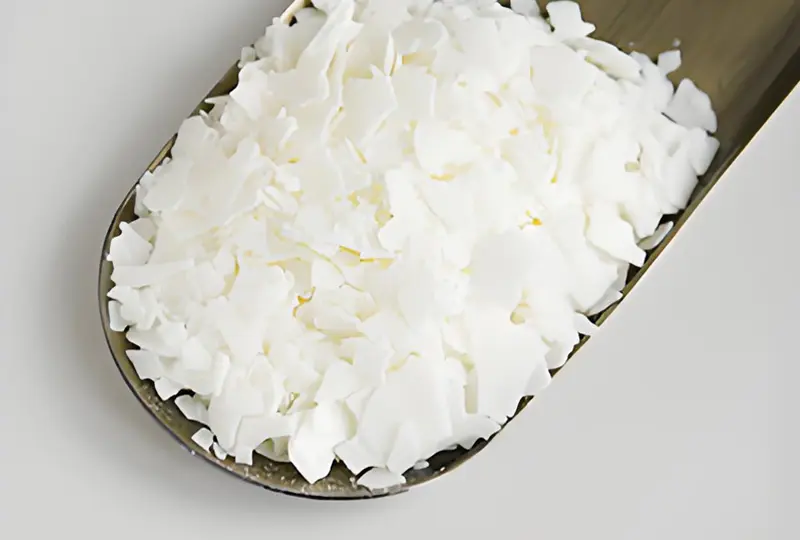
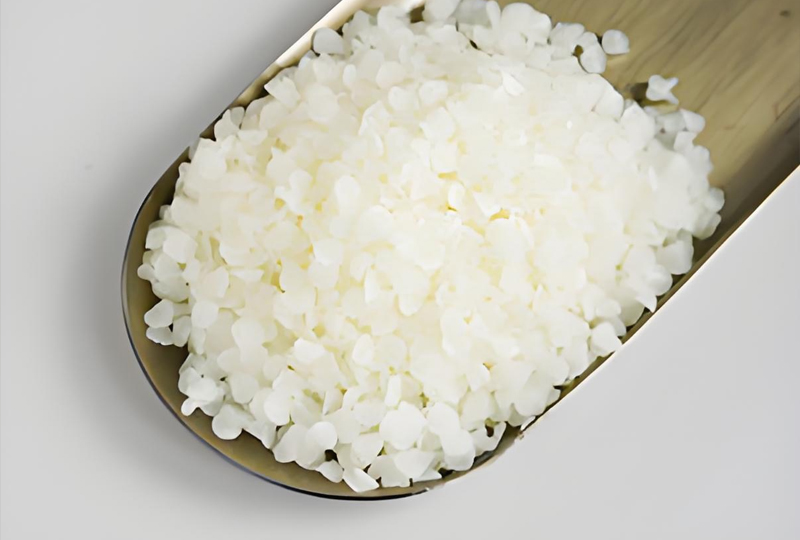
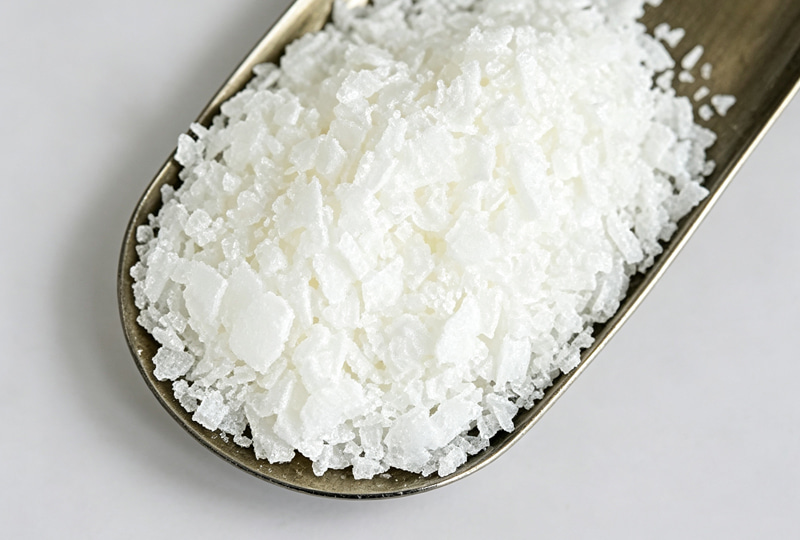
Soy-blend wax aligns well with current consumer interest in plant-associated and lifestyle-oriented home products. The term “soy-blend” indicates that soy wax is combined with other wax materials to achieve a balanced performance profile. In product development, blending can help manufacturers adjust texture, appearance, fragrance release, adhesion, and production consistency according to the target formula.
The soy-blend positioning also supports contemporary product storytelling. Consumers often associate soy-containing candles with a softer, more natural aesthetic, particularly when the product is paired with botanical graphics, floral packaging, and calming fragrances. For retailers, this makes the product suitable for wellness, self-care, home décor, and gifting themes.
Actual candle performance depends on the complete formulation, wick selection, fragrance load, jar dimensions, curing conditions, and burn testing. A reliable manufacturer should therefore evaluate the whole system rather than treating wax type as the only performance factor. This product’s single-wick structure and controlled jar format provide a practical foundation for testing and repeatable production.
One of the strongest advantages of the set is the relationship between its three fragrances. Rose, Lavender, and Osmanthus are not simply three random scents placed together. They represent distinct fragrance registers that allow the product to serve different emotional and lifestyle preferences.
Rose is one of the most recognizable floral fragrance directions in the home-fragrance market. Its familiarity makes it an approachable choice for gifting, especially when the buyer does not know the recipient’s exact fragrance preferences. Rose can communicate romance, softness, elegance, and warmth, making it suitable for occasions such as birthdays, anniversaries, Valentine’s Day, Mother’s Day, bridal gifting, and general appreciation.
In the three-scent set, Rose provides an immediately understandable entry point. A shopper can identify the fragrance quickly from the label and botanical artwork, while the color and floral theme reinforce the scent expectation. This clarity supports self-selection in stores and reduces uncertainty during online purchasing.
Lavender contributes a more herbal and relaxing direction. It is frequently associated with evening routines, bedrooms, bathrooms, meditation, rest, and personal care. Its inclusion broadens the set beyond conventional floral gifting and connects the product with wellness-oriented retail categories.
Lavender can also give the set a practical use-based dimension. A recipient may choose Rose for social or decorative settings, Lavender for nighttime relaxation, and Osmanthus when a more distinctive floral profile is preferred. This type of usage flexibility can extend the product’s relevance beyond a single gifting moment.
Osmanthus adds differentiation. Compared with widely recognized floral notes such as Rose and Lavender, Osmanthus can feel more unusual and discovery-oriented. Its spiced-floral character gives the collection additional depth and helps prevent the set from appearing overly predictable.
Including Osmanthus is particularly useful for retailers seeking a product with a recognizable foundation but a more distinctive point of difference. The customer receives two accessible fragrance choices and one scent that may encourage exploration. This balance can make the set appealing to both traditional gift buyers and consumers who enjoy discovering new fragrance profiles.
A single-fragrance candle requires the buyer to make a precise choice. That can be difficult when the product is intended as a gift. A multi-scent set reduces this risk by offering several fragrance options in one package. The recipient can enjoy the assortment over time, and the giver can present the product as a small collection rather than a single consumable item.
The assortment also improves household versatility. One candle can be placed in a bedroom, another in a bathroom, and another in a living area. Alternatively, the recipient can burn them according to season or mood. This flexibility increases the probability that all three pieces will be used, rather than leaving one fragrance untouched.
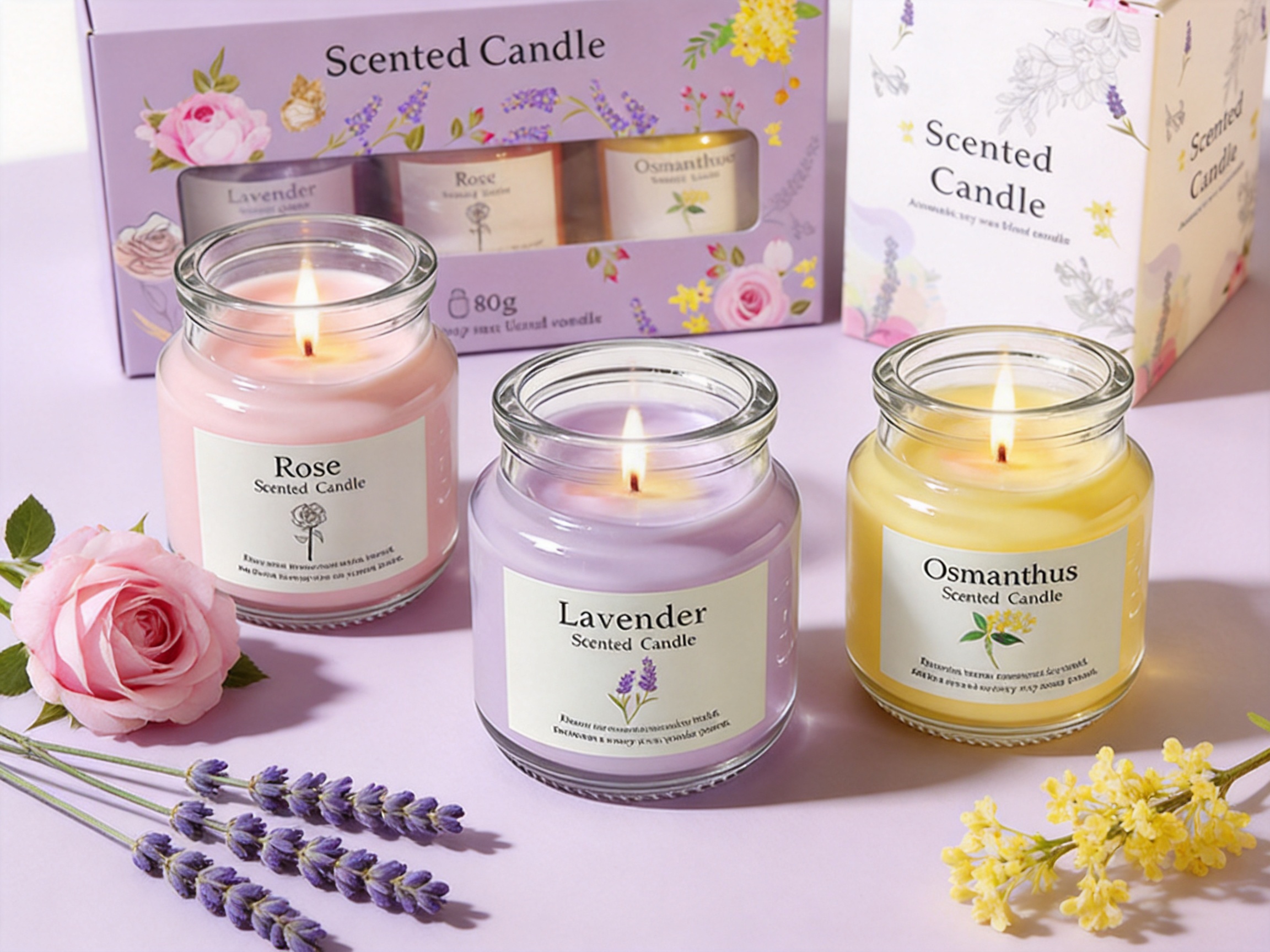
Packaging is a central part of the product experience. For a gift set, the box is not merely a protective shipping component. It communicates the product’s identity, frames the individual items, and influences the consumer’s first impression before the package is opened.
The lavender floral gift box supports a soft, botanical, and gift-oriented visual direction. Its color palette is compatible with the floral fragrance theme, while the botanical identity of the individual labels creates consistency between the outer box and inner products. This coordinated presentation helps the set appear intentional and complete.
The clear window is one of the box’s most practical features. It displays all three candles before opening, allowing the buyer to confirm the assortment, see the pastel color variation, and understand the scale of the product. This is valuable in physical retail, where shoppers often make decisions quickly based on what they can see on the shelf.
Visible product presentation can also support online merchandising. Product photographs can show the candle arrangement through the window, making it easier for customers to understand what is included. When the package communicates the contents clearly, retailers may need fewer explanatory graphics or extensive text on the front panel.
The window format also reduces the risk of a mismatch between customer expectations and the delivered product. Buyers can see that the package contains three separate candles rather than one large candle or a selection of accessories. Clear communication is especially important for gift products, where the purchaser wants confidence that the package will look attractive when presented to the recipient.
The color variation among the three candles gives the set visual rhythm. Rather than appearing as three identical units, the candles communicate variety at a glance. Pastel tones can support a gentle, modern, and approachable aesthetic, while the botanical graphics help connect color and fragrance conceptually.
Color differentiation can be useful for retail planograms and product photography. The set can be displayed face-forward on a shelf, grouped with other floral products, or positioned in seasonal gift arrangements. It can also create a more attractive unboxing sequence because each candle has an individual identity within the overall collection.
Many single candles require additional wrapping or a gift bag before they can be presented. A coordinated gift box reduces this extra step. The lavender floral packaging communicates that the product is already prepared for gifting, which can be an important purchase driver during busy seasonal periods.
Gift-ready packaging is also valuable for e-commerce. A well-designed box can improve the customer’s perception when the order arrives, especially when the product is purchased for direct delivery to another person. For retailers, this allows the same product to serve both self-purchase and gifting occasions without requiring separate packaging systems.
The three-scent format has several advantages over a standard single-candle product. These advantages relate to consumer choice, perceived value, shelf presentation, gifting convenience, and collection-building potential.
A single candle offers one fragrance and one mood. The three-piece set offers three coordinated experiences in a single purchase. Consumers do not need to compare several individual products, select three separate boxes, and assemble their own combination. The product has already done the assortment work for them.
This convenience can be particularly important for casual gift buyers. A customer may want a thoughtful present but may not have time to study fragrance families or understand technical candle specifications. A curated set provides a simple solution with enough variety to feel considered.
Three individually labeled candles can create a stronger perception of value than one candle of similar overall price. The recipient receives multiple items, multiple fragrance experiences, and the possibility of using the candles in different locations. The box reinforces the impression that the product is a complete gift rather than a basic commodity.
Perceived value does not depend only on quantity. It also comes from coordination. Matching labels, botanical illustrations, consistent jars, and a dedicated gift box make the set feel designed as a collection. This design coherence can distinguish it from a simple bundle of unrelated candles.
The box’s clear window and color variation allow the product to communicate its assortment from a distance. In a crowded retail environment, a product that shows its contents can attract attention more effectively than a fully closed package with limited visual information.
The gift-box format also provides a larger printable surface for product messaging, fragrance names, usage guidance, branding, and seasonal artwork. Buyers can adapt these elements for their target market while maintaining the core product architecture.
Because the three fragrances express different moods, the set can be promoted for several occasions. It may fit relaxation, self-care, housewarming, birthday, holiday, wedding, hospitality, or everyday home décor campaigns. A single candle may be strongly associated with one fragrance preference, while the three-scent set can support a broader range of marketing themes.
Once a consumer has tried the set, the buyer may become interested in full-size versions, additional fragrances, or related home-fragrance products. The three-piece format can therefore function as an introduction to a wider collection. Retailers can place it beside larger jars, reed diffusers, candle accessories, or seasonal packaging to encourage category expansion.
Consistent candle production requires more than filling wax into a container. Each stage can affect the final appearance, fragrance experience, safety profile, and repeatability of the product. A structured manufacturing process should begin with material selection and continue through formulation, wick testing, pouring, curing, labeling, packing, and finished-goods inspection.
Raw materials may include wax, fragrance oils, wicks, glass jars, labels, cartons, inner supports, and shipping materials. Each material should be checked against the approved specification before production begins. The purpose of incoming inspection is to identify variation early, before it affects a large production batch.
For wax, inspection may focus on material identity, appearance, storage condition, and consistency. Fragrance materials require controlled handling and clear batch identification. Wicks should be checked for size, construction, and compatibility with the selected jar and wax system. Glass jars should be inspected for dimensions, surface quality, cracks, chips, and visual consistency.
Packaging materials require their own inspection process. The clear window should be properly positioned, the printed colors should match the approved sample, and the box structure should protect the candles during handling and transportation. A gift set can lose much of its appeal if the package arrives crushed, misaligned, or poorly printed.
Fragrance performance depends on compatibility between the fragrance oil and wax blend. The manufacturer must evaluate how the fragrance disperses during production, how it appears after cooling, and how it is released during burning. The selected formula should also be stable enough to support repeated production.
Fragrance development may include evaluation of cold throw, hot throw, color, surface finish, and overall scent character. Cold throw refers to the fragrance perceived from an unlit candle, while hot throw refers to the fragrance released during burning. Both affect consumer perception at different stages of the purchase and use experience.
For the Rose, Lavender, and Osmanthus assortment, the manufacturer must maintain distinct fragrance identities while keeping the visual appearance coordinated. The goal is not necessarily for every candle to look identical, but for the three pieces to appear like members of the same collection.
The single-wick format is straightforward for consumers, but wick selection remains technically important. Wick size and construction must be matched to the jar diameter, wax blend, fragrance load, and desired burn behavior. An unsuitable wick may create issues such as tunneling, excessive soot, uneven melt pools, or an overly large flame.
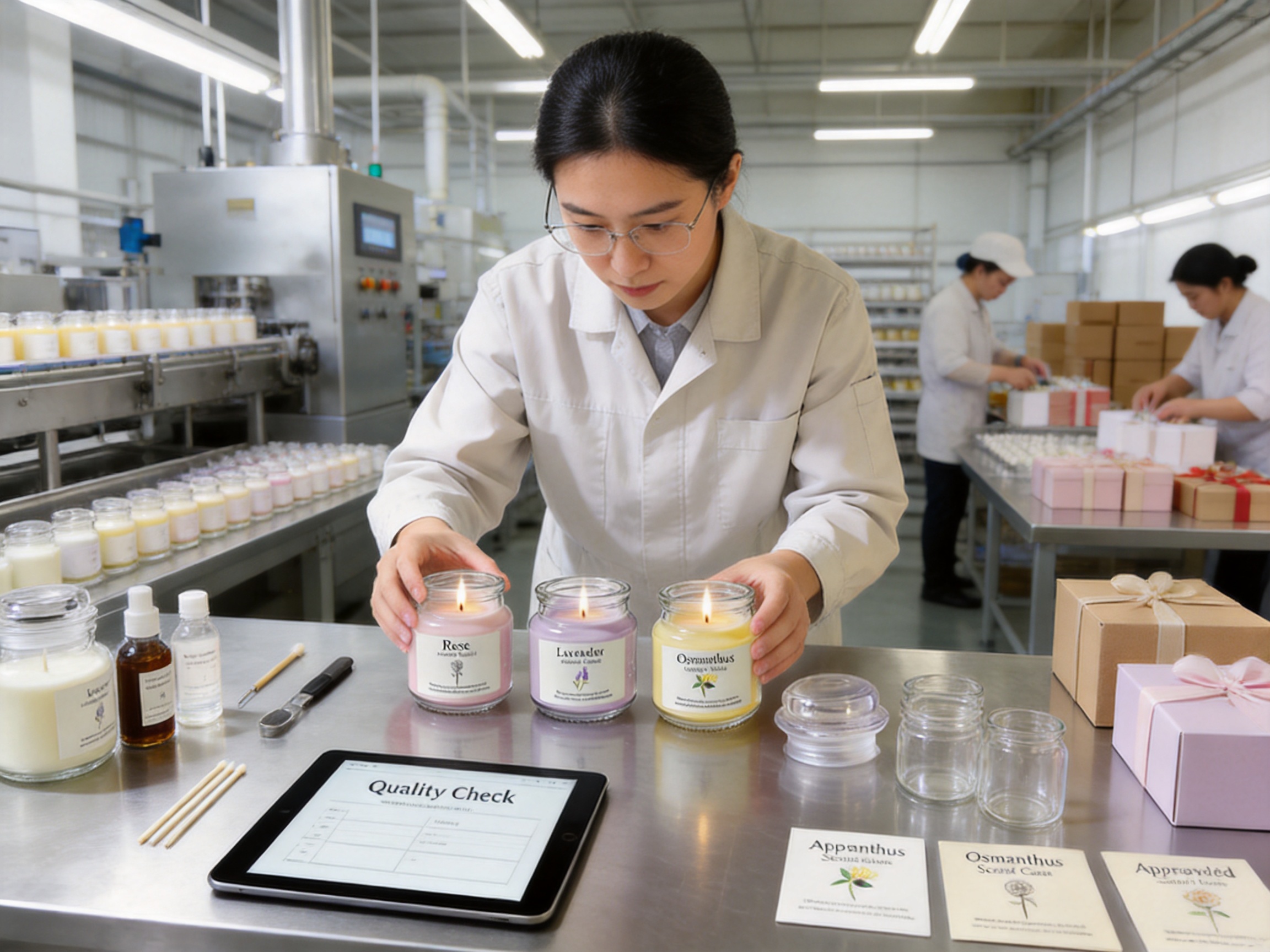
Burn testing should be conducted on representative samples before mass production. Testing can examine ignition, flame height, melt-pool development, container temperature, fragrance release, wick stability, and the behavior of the candle near the end of its usable life. Results should be documented and used to confirm or refine the formula.
Because the product uses three fragrances, testing should not assume that one fragrance will behave exactly like another. Different fragrance oils can influence wax structure and burn characteristics. Each scent should therefore be evaluated within the final wax, jar, and wick combination.
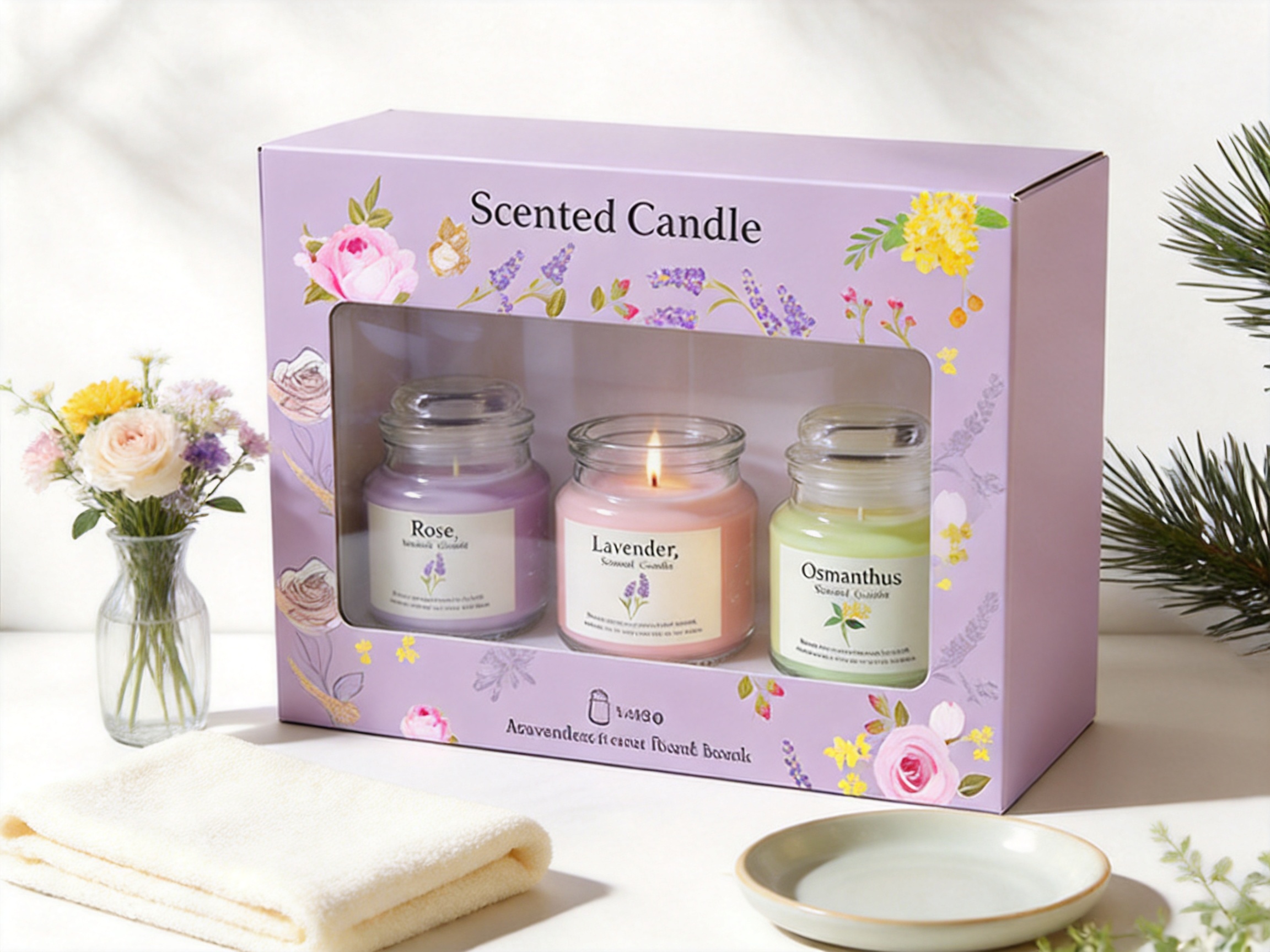
After the formula is approved, wax and fragrance are prepared according to controlled production parameters. Temperature management is important because it can affect fragrance incorporation, surface appearance, adhesion to the jar, and final texture. The candles should be poured consistently and placed in an environment that supports stable cooling.
Cooling conditions may influence frosting, sinkholes, uneven surfaces, and other visual characteristics. While some natural variation can occur in soy-containing waxes, process control helps reduce unwanted inconsistency. The objective is to deliver a collection that looks cohesive when displayed together.
Curing allows the wax and fragrance system to stabilize before final packing or shipment. The appropriate curing period depends on the formula and production requirements. A controlled process can support more consistent fragrance performance and reduce the chance of packing candles before they are ready.
Before filling, glass jars should be cleaned and checked. The wick must be positioned centrally and secured so that it remains stable during pouring and cooling. After the candle has set, the wick can be trimmed to the specified length, and the surface can be inspected for visible defects.
Labels should be applied evenly and at a consistent height. Since the three candles are displayed together, differences in label position can be especially noticeable. Good assembly practice helps preserve the visual quality of the set and supports professional retail presentation.
Finished-goods inspection may include checks for candle weight, jar integrity, wick position, label placement, fragrance identification, surface appearance, box printing, window alignment, and carton packing. The inspection process should be based on approved samples and documented specifications.
An in-house laboratory and dedicated quality-control procedures can strengthen this process by giving the supplier greater control over product evaluation. Rather than relying only on visual inspection, a structured quality system can connect raw-material records, production data, test results, and final shipment checks.
Product quality is important, but commercial success also depends on sourcing efficiency, communication, delivery reliability, and the ability to adjust products for different markets. Hangzhou Leo Home Trading Co., Ltd. operates as an international trading and supply-chain partner with a focus on household products, home fragrance, personal care, home and garden, and daily-use categories.
The company was established in Hangzhou in January 2025 and works with a broader manufacturing and sourcing network. Its supply-chain resources include cooperation with 10 candle factories, 8 jar customization partners, and 8 color-box factories. This network can provide buyers with more options when developing specifications, packaging formats, and production plans.
Working with multiple specialized factories can help reduce dependence on a single production line. It may also allow product development to be matched with the most suitable manufacturing resource. For example, one partner may be better equipped for a particular jar shape, while another may have stronger experience with a specific box structure or production volume.
A coordinated trading and sourcing partner can manage these relationships on behalf of the buyer. This is valuable for overseas clients who may not have direct access to local factories or the personnel required to compare technical details, quality systems, packaging options, and production schedules.
OEM and ODM buyers may require more than a ready-made item. They may need a fragrance combination designed for a specific season, a new candle weight for a price point, a custom label for a private brand, or packaging that matches an existing product family.
The company supports customization based on drawings or samples, including specifications, scents, labels, and packaging. This allows the three-scent structure to serve as a starting point rather than a fixed limitation. Buyers may select different fragrance groups, adjust the size, change the color palette, replace the botanical artwork, or develop a single-candle box version for a complementary product line.
Customization is especially useful for retailers that want to avoid a generic appearance. A distinct package, carefully selected fragrance names, and a consistent brand system can help the product compete in a crowded home-fragrance market without requiring a completely new manufacturing concept.
The company reports access to an in-house laboratory and strict quality control across key production stages. Laboratory support can help evaluate formulas, fragrance compatibility, appearance, and performance before a product reaches large-scale production.
For international buyers, this type of support can simplify communication. Instead of describing a problem only through photographs or general comments, the buyer and supplier can refer to samples, specifications, test results, and approved standards. This creates a clearer basis for product decisions and reduces misunderstandings during development.
Daily production capacity is reported to reach up to 50,000 units across the supply network. Capacity figures should always be confirmed for the exact product, fragrance, packaging format, and production schedule, but the stated capability indicates that the supplier can support both growing programs and larger replenishment requirements.
The company also emphasizes support for smaller volumes and trial runs. This is important for buyers testing a new candle assortment. A controlled initial order allows the retailer to evaluate consumer response, packaging performance, fragrance preferences, and sales velocity before committing to a larger program.
Hangzhou Leo Home has supplied products to more than 10 countries and regions across North America, Europe, and the Middle East. Its logistics position near Ningbo Port can support international shipping planning and access to established export routes.
Export support may include communication regarding product documentation, packaging, shipment coordination, and delivery schedules. For buyers importing from China, a supplier that understands cross-border processes can help reduce the administrative burden associated with product development and replenishment.
The 3-Scent Botanical Soy Candle Set is flexible enough to serve multiple distribution channels. Its visual presentation and fragrance assortment allow the same basic product to be positioned differently depending on the retailer and target audience.
Gift shops can present the set as an accessible floral home-fragrance gift. The window box makes the contents easy to understand, while the three fragrances add a sense of generosity. Seasonal artwork or limited-edition packaging can be developed for holidays, spring collections, weddings, or special events.
Lavender and botanical visuals connect naturally with wellness and self-care themes. The set can be displayed with bath products, hand-care items, sleep accessories, essential-oil-inspired products, or relaxation collections. Rose and Osmanthus broaden the assortment so that it remains a fragrance product rather than a narrowly functional wellness item.
The clean glass jars and pastel color variation can complement home décor programs. The product may be displayed alongside vases, textiles, trays, decorative storage, or small accessories. Its compact footprint allows it to work in tabletop displays and curated lifestyle arrangements.
For e-commerce, the product offers several useful visual and informational assets. The three candles can be photographed individually and together, the window box can communicate the full assortment, and the fragrance names can be included in the product title and bullet points. Buyers can also explain the three fragrance moods to help customers make an informed decision.
The set may also be considered for hotel welcome programs, event gifts, corporate appreciation, wedding favors, and seasonal employee gifting. Custom labels and packaging can help organizations incorporate their own identity while retaining the convenience of a pre-developed three-piece product structure.
The existing Rose, Lavender, and Osmanthus configuration provides a balanced starting point, but the same format can be extended into additional collections. Buyers may create fragrance themes based on seasons, regions, emotional benefits, color stories, or customer demographics.
| Collection Direction | Possible Fragrance Theme | Potential Retail Positioning |
|---|---|---|
| Fresh botanical | Green tea, eucalyptus, white sage | Clean home, wellness, everyday refreshment |
| Warm floral | Rose, jasmine, vanilla | Romantic gifting and soft home décor |
| Woodland | Cedar, sandalwood, amber | Autumn, men’s gifting, premium lifestyle |
| Citrus garden | Lemon, orange blossom, bergamot | Spring, kitchen, bright and energetic interiors |
| Seasonal holiday | Cinnamon, pine, cranberry | Christmas and winter gift programs |
| Relaxation | Lavender, chamomile, linen | Bedtime, self-care, spa-inspired retail |
Fragrance selection should be based on the target market, intended price position, packaging concept, and channel requirements. Some buyers may prioritize familiar fragrances for broad retail appeal, while others may prefer unusual notes that create a stronger point of difference. The OEM process allows the assortment to be adjusted accordingly.
Size customization can also create a tiered product line. A smaller version may be appropriate for promotional gifts, travel, sampling, or lower price points. The 80g version can serve as a standard gift set, while larger jars can create a premium extension. Using a consistent visual identity across sizes helps retailers build a recognizable collection.
Packaging customization may include paper stock, print finishes, window shape, internal supports, sleeve design, barcode placement, warning labels, language requirements, and outer-carton configuration. These details should be planned early because packaging affects cost, production timing, shipping efficiency, and retail compliance.
Retailers need products that are attractive to consumers and manageable from an operational perspective. This candle set offers several benefits in this area.
First, the assortment is easy to explain. The product contains three candles, each with a clearly named fragrance. This straightforward proposition can be communicated through a shelf card, product listing, social-media post, or sales associate recommendation.
Second, the package is designed for display. The clear window minimizes the need to open the box, helping stores keep gift products neat and protected. The candles remain visible while the box provides structure and branding space.
Third, the set can support several price strategies. Buyers may position it as an affordable premium gift, an everyday self-care purchase, or a seasonal promotional item depending on materials, finishing, order quantity, and distribution channel.
Fourth, the three fragrances can provide useful sales information. Retailers may observe which scent customers discuss most, which fragrance is most frequently used in reviews, or which single-candle version receives the greatest follow-up demand. This information can guide future assortment planning.
Finally, the availability of a single-candle gift-box version allows a retailer to offer multiple purchase options. The three-pack can serve as the main gift set, while the single candle can function as an entry-level item, add-on purchase, stocking stuffer, or replenishment option.
Effective marketing should describe the product accurately and avoid making claims that are not supported by testing or documentation. Terms such as “soy-blend,” “single-wick,” “80g,” “glass jar,” and “three fragrances” are clear product attributes. Claims about burn time, fragrance strength, emissions, safety, or environmental impact should be confirmed according to the final formula and relevant market requirements.
Retailers should provide appropriate candle-use instructions, including trimming the wick before lighting, placing the candle on a stable heat-resistant surface, keeping it away from flammable materials, and never leaving a burning candle unattended. Packaging and labeling should be reviewed for the destination market and updated according to applicable requirements.
For OEM projects, buyers should approve a complete product specification before mass production. This may include wax type, fragrance names, fragrance concentration, candle weight, jar dimensions, wick specification, label artwork, box dimensions, color standards, carton quantity, and inspection criteria.
Clear approval procedures help reduce disagreements. A retained golden sample, documented artwork, and written quality requirements provide a reference for both the buyer and supplier. This is particularly important when the product includes several coordinated items that must match in color, labeling, and packaging.
The buyer should first determine the intended customer, sales channel, target price, order volume, launch date, and gifting occasion. A product for a luxury department store may require different glass, packaging finishes, and fragrance positioning from a product designed for a mass-market seasonal promotion.
The buyer can choose the three-candle format, a single-candle version, or a coordinated range containing both. The 80g size offers a practical starting point, but the candle weight can be adapted if the channel requires a different price or use case.
The fragrance assortment should be reviewed as a group. Buyers should consider whether the scents are sufficiently distinct, whether the names are easy to understand in the target language, and whether the collection fits the intended season or brand identity.
Labels, botanical illustrations, colors, logos, box artwork, and typography should be developed as one system. Coordinated design is a major part of the product’s appeal. The packaging should also communicate the number of candles and fragrance names clearly.
Samples should be evaluated for appearance, scent, jar quality, wick behavior, burn performance, label placement, box structure, and shipping resistance. Buyers should test both individual candles and the assembled gift box.
Before mass production, the buyer and supplier should confirm the approved sample, inspection criteria, packaging specifications, carton details, and shipment plan. This stage creates a shared reference for production and quality control.
During production, the supplier should monitor raw materials, filling, cooling, assembly, labeling, packing, and finished-goods quality. Pre-shipment inspection can help identify issues before the goods leave the factory network.
After launch, customer reviews, sales data, return reasons, and retailer observations can guide future improvements. The fragrance assortment, box design, product size, and promotional messaging may then be refined for the next order.
The set includes three 80g soy-blend scented candles in glass jars. The fragrances are Rose, Lavender, and Osmanthus. They are presented together in a lavender floral gift box with a clear window.
Yes. The coordinated three-piece format and lavender floral window box are designed to provide a gift-ready presentation. The recipient receives three different fragrance experiences rather than one candle.
Rose offers a romantic floral direction, Lavender provides an herbal and calming profile, and Osmanthus adds a more distinctive spiced-floral character. Together, they create variety within one collection.
The clear window allows shoppers to see all three candles before purchasing. It confirms the product contents, displays the pastel color variation, and supports quick retail self-selection.
Yes. The product uses a single-wick format. Wick selection and burn performance should be confirmed through testing with the final wax blend, fragrance, jar, and production specifications.
Yes. Fragrance selection can be customized for different markets, seasons, brand identities, and customer preferences. Buyers can develop alternative three-scent combinations through the OEM process.
Yes. The standard product contains three 80g candles, but candle size can be discussed for different price points, promotional programs, travel formats, or premium collections.
Yes. Buyers can discuss box design, labels, artwork, colors, and other packaging elements. Customization may be based on drawings, samples, or an existing brand identity.
Yes. A single-candle gift-box version is available for retail alongside the three-piece set. Offering both formats can create an entry-level option and a higher-value gift option within the same product family.
Important stages include raw-material inspection, formula evaluation, wick testing, pouring control, cooling and curing, jar inspection, label application, packaging checks, finished-goods inspection, and shipment preparation.
Buyers should review samples and conduct burn testing under the intended product specifications. Evaluation may include flame stability, melt-pool development, scent release, surface appearance, container condition, and overall user experience.
Potential buyers include gift retailers, home décor stores, wellness brands, beauty companies, online sellers, hotel suppliers, corporate-gifting businesses, importers, distributors, and private-label brands.
The company states that it supports smaller volumes and trial runs in addition to larger production programs. Exact minimum order quantities, sample fees, lead times, and production capacity should be confirmed for each customized project.
The company works with a network that includes 10 candle factories, 8 jar customization partners, and 8 color-box factories. These resources are intended to support product development, packaging options, cost management, and production coordination.
Yes. The company provides sourcing, customization, quality-control, delivery, and cross-border supply-chain support for overseas clients. Its stated export markets include North America, Europe, and the Middle East.
The 3-Scent Botanical Soy Candle Set combines three complementary fragrances, familiar glass jars, soy-blend wax, single-wick construction, and gift-ready packaging in one coherent product. Rose, Lavender, and Osmanthus provide different fragrance moods, while the window box allows the assortment and pastel color variation to be understood immediately.
Compared with a standard single-candle format, the set offers broader choice, stronger gifting value, more flexible usage, and greater shelf communication. It can be positioned across gift, wellness, home décor, lifestyle, hospitality, and online retail channels. The availability of a single-candle version further supports range development and price-tier planning.
For OEM and private-label buyers, the product provides a practical foundation for customization. Fragrances, sizes, labels, botanical graphics, box design, and other specifications can be adjusted to meet target-market requirements. A supply network involving candle factories, jar partners, and color-box factories can support development from initial concept through production and delivery.
Manufacturing quality depends on the complete process, including raw-material inspection, formula compatibility, wick selection, burn testing, controlled pouring, cooling, curing, assembly, packaging, and final inspection. The company’s reported laboratory resources, quality-control procedures, factory network, flexible order support, and international logistics experience are designed to help buyers manage these requirements.
For retailers and importers seeking a versatile and visually presentable home-fragrance product, this three-scent candle concept offers a balanced combination of variety, convenience, customization, and commercial practicality. With appropriate testing, accurate labeling, and market-specific packaging, it can serve as both a standalone gift product and the foundation of a broader botanical home-fragrance collection.
1. Candle product development principles covering wax selection, wick compatibility, fragrance performance, curing, and burn testing.
2. General retail packaging practices for gift sets, product visibility, window boxes, labeling, and shelf presentation.
3. Home-fragrance merchandising principles related to fragrance assortment, consumer choice, gifting behavior, and lifestyle positioning.
4. Supplier-provided product specifications for the 3-Scent Botanical Soy Candle Set, including candle weight, fragrance names, packaging format, and customization options.
5. Supplier-provided company information regarding sourcing resources, quality-control procedures, OEM/ODM support, factory cooperation, export markets, and logistics capabilities.

Room 1701, Building C1, Wangjing, Xiaoshan District, Hangzhou City, Zhejiang Province, China.

+86-15937257616

Copyright© 2026 Hangzhou Leo Home Trading Co., Ltd. All Rights Reserved.

Luxury Candles Home Fragrance Manufacturers Modern Candles Factory