 English
 Français
News
Home / Author / Emily Chen — After-Sales Service Supervisor / Why Porous Cement Jar Candles Are Redefining Modern Home Fragrance
Content
Home fragrance has evolved from a purely functional category into an important part of interior styling, gifting, wellness, and lifestyle retail. Consumers increasingly look for products that do more than release a pleasant scent. They want objects that complement their surroundings, reflect personal taste, offer dependable quality, and create a memorable atmosphere. The White/Blue/Green Artisanal Porous Cement Jar Candle responds to these expectations by combining the visual character of handcrafted cement with the sensory appeal of a scented candle.
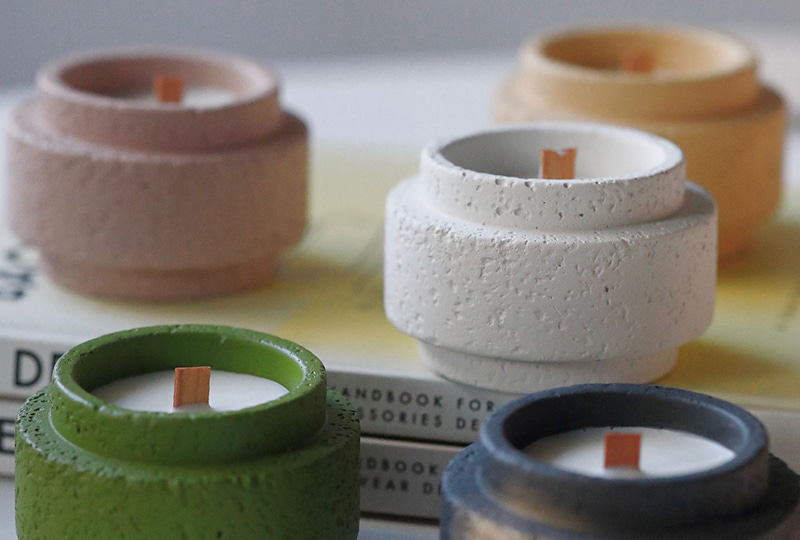
Designed in three adaptable color choices—white, blue, and green—the candle is intended to fit a broad range of interiors. Its porous cement vessel introduces a tactile, architectural quality that distinguishes it from ordinary glass, ceramic, or thin metal candle containers. At the same time, the jar remains practical and durable, making it suitable for residential spaces, hospitality settings, gift collections, seasonal assortments, and customized home-fragrance programs.
The product is supported by the manufacturing and supply-chain capabilities of Hangzhou Leo Home Trading Co., Ltd., an international trading and sourcing company based in Hangzhou, China. The company focuses on household and daily necessities, with particular attention to home fragrance, scented candles, LED candles, and related gift sets. Through coordinated factory resources, product development support, quality control, and OEM/ODM services, the company provides a structured route from concept development to finished-product delivery.
This article examines the design value, functional advantages, manufacturing considerations, customization opportunities, and commercial potential of the White/Blue/Green Artisanal Porous Cement Jar Candle. It also explains why the combination of a cement vessel, controlled production, and integrated sourcing can provide advantages over more conventional candle products and less coordinated suppliers.
The White/Blue/Green Artisanal Porous Cement Jar Candle is built around a simple but effective product idea: a candle should contribute to a room even when it is not being burned. Many standard candle containers are designed mainly to hold wax and protect the flame. While they may be attractive, their visual role is often secondary. This artisanal cement jar takes a different approach by making the vessel a central part of the product experience.
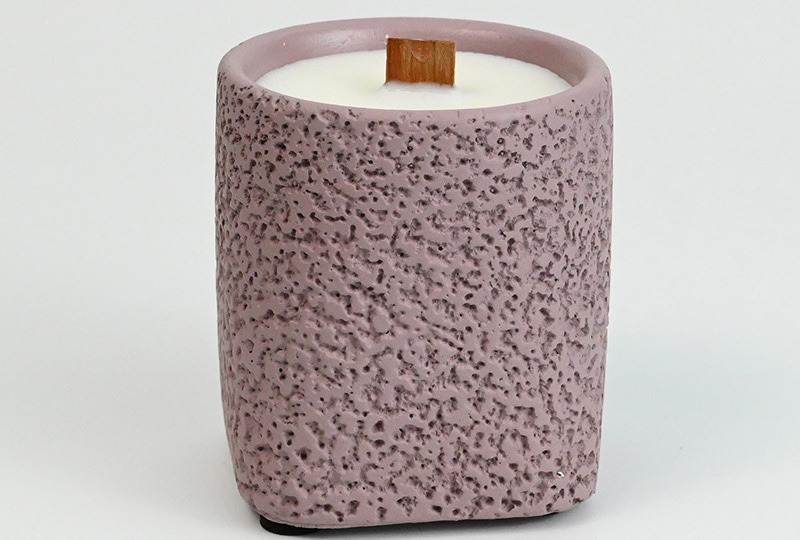
The cement body has a porous texture that creates subtle variations in light, shadow, and surface depth. Rather than presenting a completely smooth and reflective finish, the material offers an understated tactile appearance. This makes the candle particularly suitable for modern interiors where texture is used to add warmth and visual interest without excessive decoration.
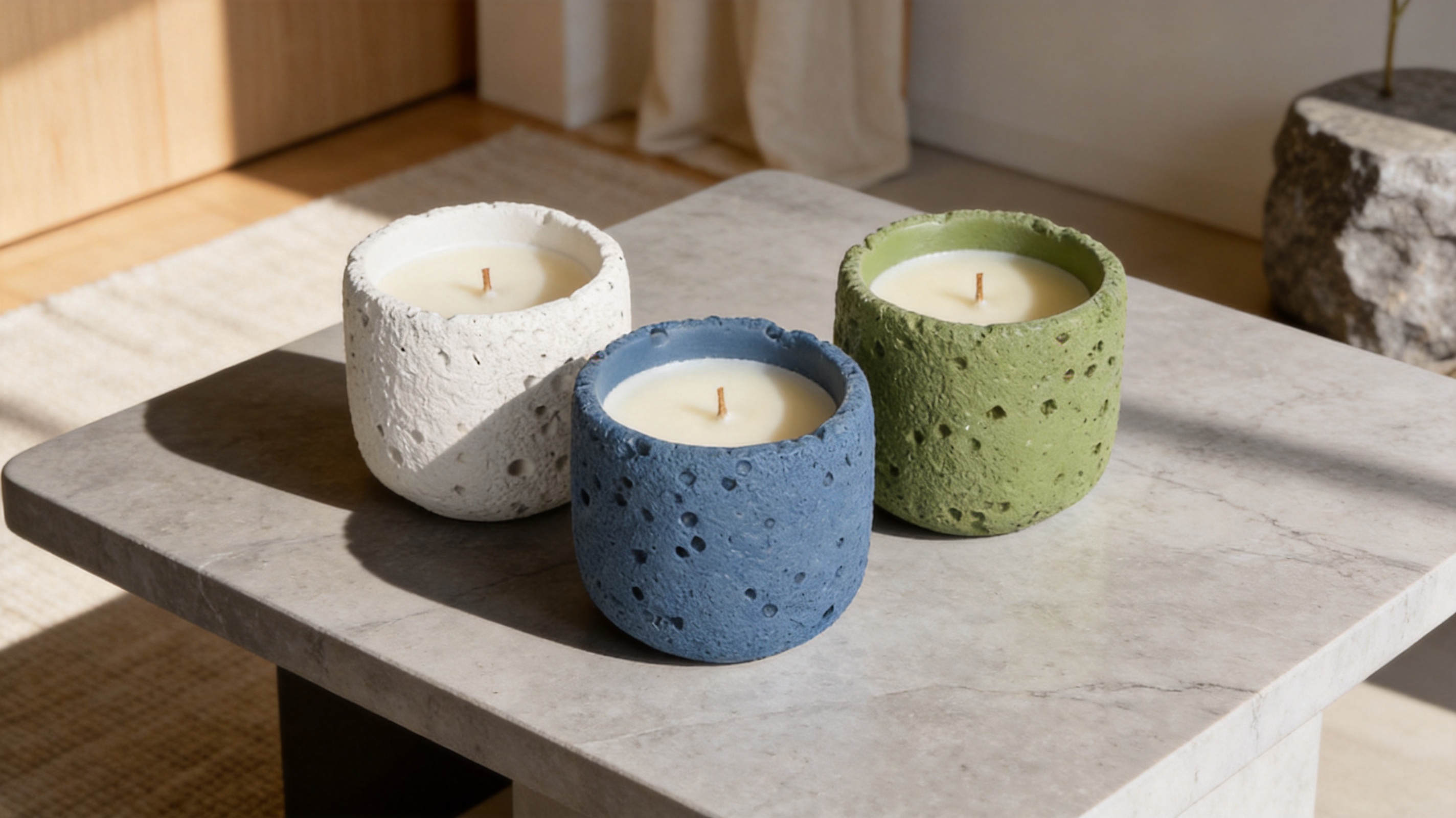
Its three color options offer different styling possibilities. White can support minimalist rooms, neutral palettes, Scandinavian-inspired spaces, and clean commercial displays. Blue can introduce a calm, cool accent that works well in bathrooms, bedrooms, coastal themes, and contemporary interiors. Green can add a natural or botanical feeling, making it appropriate for wellness collections, nature-inspired displays, and seasonal home décor.
The color range also gives retailers and project buyers the opportunity to create coordinated collections. The three shades can be sold individually, grouped as a color series, or combined into gift sets. This flexibility is commercially valuable because a single product design can support multiple merchandising concepts without requiring an entirely new vessel structure for every market.
The candle is suitable for living rooms, bedrooms, bathrooms, entryways, offices, boutique hotels, spas, restaurants, and gift displays. Its appearance is sufficiently decorative for open shelving or coffee tables, while its intended fragrance function allows it to contribute to the atmosphere of the room. When used as part of a larger home-fragrance range, it can serve as a visually distinctive anchor product.
Cement offers a different set of qualities from glass, ceramic, and lightweight metal. Its substantial appearance gives the candle a feeling of stability and permanence. The material is associated with architecture, craftsmanship, and contemporary design, allowing the finished product to bridge the gap between décor accessory and functional fragrance item.
Compared with thin glass containers, a cement jar can create a more grounded visual presence. Glass often emphasizes transparency, shine, and color visibility. Cement emphasizes form, mass, and texture. This difference is useful for brands and retailers that want a less conventional candle presentation or wish to build a collection around earthy, industrial, minimalist, or artisanal themes.
Compared with ordinary ceramic vessels, cement can provide a more raw and architectural surface character. Ceramic products are often associated with polished glazes, painted patterns, or smooth finishes. A porous cement jar can communicate a more contemporary and handcrafted identity, particularly when the texture remains visible and is paired with restrained colors.
The material can also offer a strong foundation for product customization. Cement vessels may be developed in different shapes, dimensions, colors, surface treatments, and decorative approaches. This allows buyers to request a vessel that aligns with a particular retail concept, hotel identity, seasonal collection, or private-label program.
The durable nature of the jar supports continued use after the candle has been consumed. Depending on the final construction and consumer instructions, a finished vessel may be reused as a small décor container, planter, organizer, or storage item. Reusability can increase the perceived value of the purchase because the product remains useful beyond its initial fragrance application.
As with any candle container, the vessel must be evaluated for compatibility with the wax, wick, fragrance, heat exposure, and intended burn conditions. The value of cement is not simply that it looks different; its benefits depend on appropriate design, testing, finishing, and quality control. This is where a coordinated manufacturing process becomes important.
The porous cement texture is one of the defining characteristics of the product. It gives the jar an artisanal appearance and helps create a surface that feels visually softer than a completely polished container. The texture can catch ambient light and create small tonal variations, which makes the product more engaging when displayed in natural or warm indoor lighting.
Porosity can also contribute to the sensory identity of the product by supporting the perception of a more natural, material-focused design. Consumers who appreciate stone, clay, concrete, and other tactile materials may view the candle as more distinctive than a standard factory-smooth container. This is especially relevant in contemporary home décor, where imperfect textures and honest materials are frequently used to create a more relaxed atmosphere.
The product content presents the porous structure as supportive of scent diffusion. In practical terms, fragrance performance is influenced by many interacting factors, including the wax formulation, fragrance concentration, wick selection, vessel dimensions, room conditions, and burn behavior. The porous cement surface forms part of the overall product design, while the complete fragrance experience depends on the candle system as a whole.
For buyers, the key advantage is that the porous finish creates a strong visual and tactile point of difference without relying on complex ornamentation. A simple silhouette can become commercially appealing when the material itself provides character. This can simplify the design language while preserving a premium or artisanal impression.
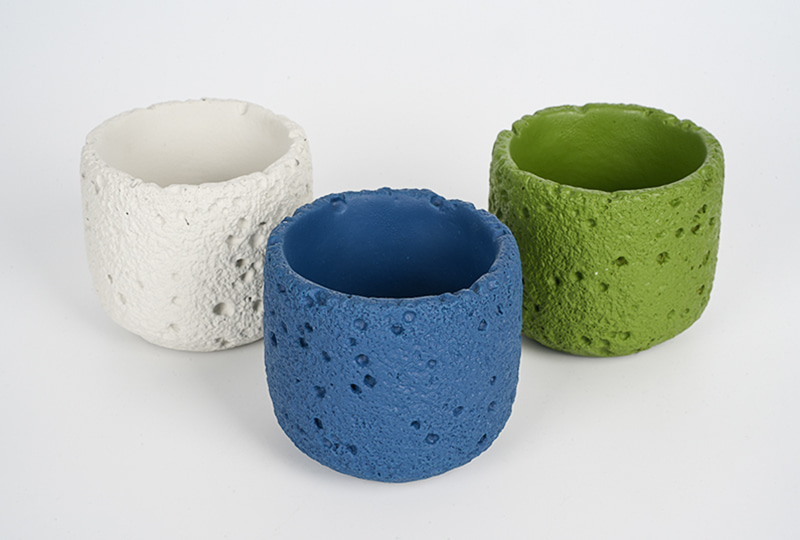
White/Blue/Gree Artisanal Porous Cement Jar Candle
Glass remains one of the most common candle-container materials because it is familiar, versatile, and easy to decorate. However, its popularity also means that many glass jar candles look similar when placed together. Clear, amber, frosted, and colored glass formats are widely available across retail channels, making differentiation more difficult.
The porous cement jar provides a stronger visual departure from this crowded category. Its opaque structure and textured surface can attract customers who are looking for something more substantial and decorative. It can also help a collection stand out in online photography, showroom displays, lifestyle catalogs, and gift packaging.
Metal candle containers can be practical and cost-effective, but they often communicate a lighter, more industrial, or more disposable impression. Their surfaces may depend heavily on printing, coatings, embossing, or labels to create visual distinction. A cement vessel begins with a naturally expressive material, reducing the need for excessive surface decoration.
This makes the candle appropriate for product lines that favor quiet sophistication. A restrained label, simple box, and carefully chosen fragrance can be enough to create a cohesive premium presentation.
Ceramic candles can offer a premium impression, but smooth glaze, painted graphics, and decorative finishing may position them toward traditional, luxury, or highly styled markets. The porous cement design occupies a different space. It is contemporary, tactile, and visually connected to architectural materials.
This distinction makes the candle useful for retailers seeking products that appeal to consumers interested in modern interiors, natural materials, neutral design, and handmade-looking finishes.
The white, blue, and green options allow the product to address several visual preferences. A single color can be selected for a focused brand identity, while all three can be combined into a broader assortment. Retailers can also use the colors to organize fragrance families, seasonal campaigns, or room-based merchandising.
For example, white may be positioned with clean or fresh fragrances, blue with aquatic or relaxing themes, and green with botanical or herbal concepts. The color-fragrance relationship can be adapted to local market preferences without changing the underlying vessel design.
Modern home fragrance succeeds when it works naturally within the consumer’s environment. The product should not appear disconnected from the room in which it is placed. The White/Blue/Green Artisanal Porous Cement Jar Candle is designed with enough visual simplicity to work across multiple décor categories.
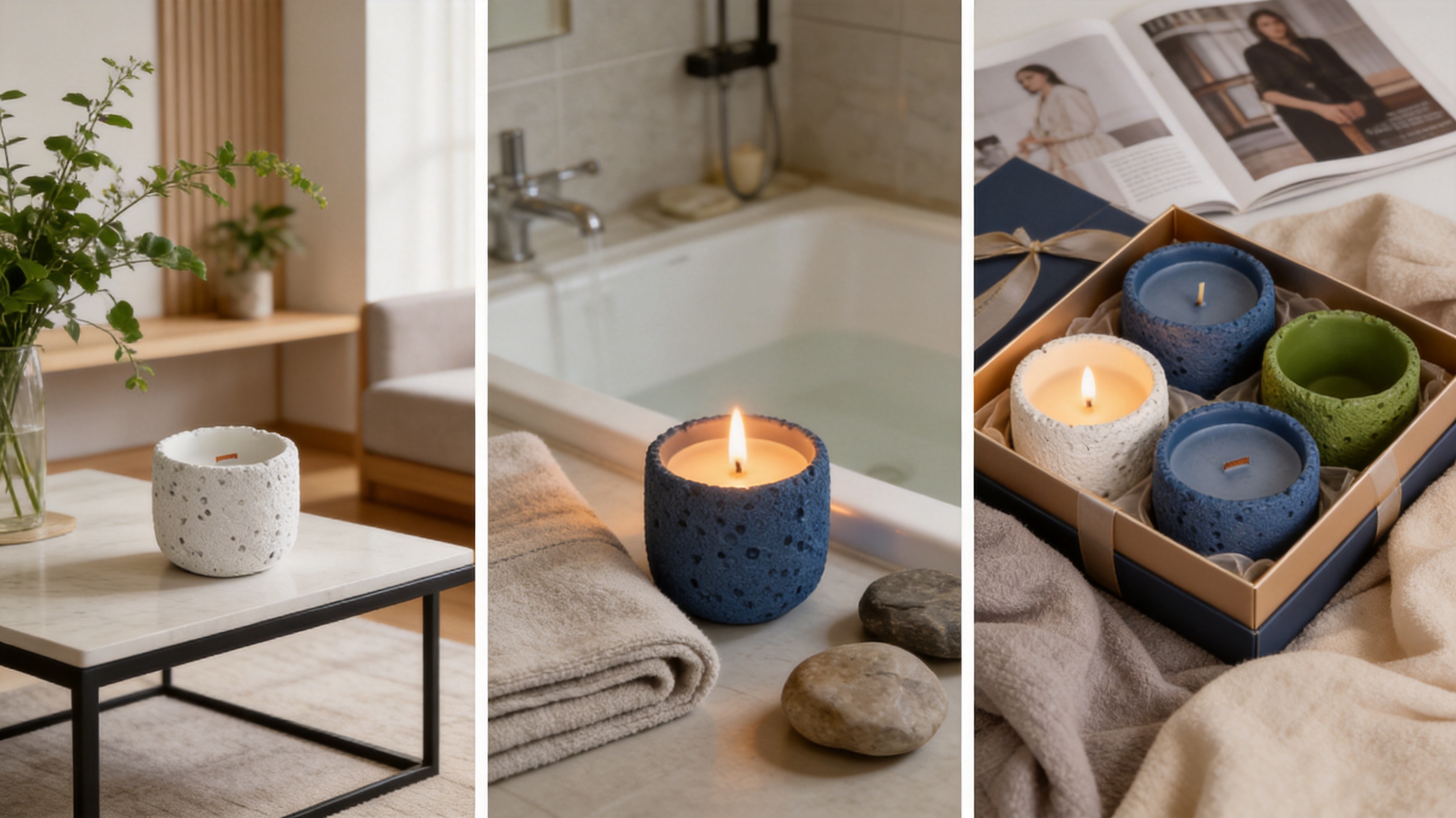
In minimalist interiors, the white version can provide a small amount of texture without introducing visual clutter. Its surface may complement pale wood, stone, linen, matte ceramics, and neutral walls. The product can be used as a quiet accent on a shelf, bedside table, or bathroom counter.
In industrial interiors, the cement material can relate naturally to concrete surfaces, black metal, exposed brick, reclaimed wood, and dark-toned furnishings. The blue or green version can provide a controlled color accent within an otherwise neutral environment.
In contemporary homes, the candle can be grouped with sculptural objects, trays, books, vases, and other decorative accessories. Its rounded jar form, combined with a raw or porous surface, creates contrast against smooth furniture and polished surfaces.
In wellness environments, the product can support a calm and grounded visual language. Bathrooms, spas, yoga studios, treatment rooms, and relaxation areas often benefit from soft colors and tactile natural-looking materials. Green and blue are particularly useful for these settings, while white can communicate cleanliness and simplicity.
For hospitality projects, a cement candle may be incorporated into guest-room amenities, restaurant table settings, lobby displays, or boutique hotel gift shops. Its compact format and decorative appearance make it suitable for creating a consistent sensory identity across different touchpoints.
A visually attractive candle is only commercially successful when it can be manufactured consistently, inspected carefully, packaged appropriately, and delivered reliably. The company supporting this product has developed a supply-chain structure designed to address these requirements.
Hangzhou Leo Home Trading Co., Ltd. was founded in January 2025 and operates from Hangzhou, China. The company specializes in international trading and supply-chain solutions for household and daily necessities. Its product scope includes personal care, home and garden, daily tools, and home-fragrance products such as scented candles, LED candles, and related gift sets.
The company coordinates resources across product development, international sourcing, and cross-border marketing. This structure enables it to manage more than a single production step. Instead of treating the jar, candle filling, packaging, and export arrangements as isolated activities, the company can coordinate them as parts of one commercial program.
Its supply network includes 10 candle factories, 8 jar customization partners, and 8 color-box factories. This network gives buyers access to multiple manufacturing resources while allowing the company to match specific requirements with suitable production partners. It can also support cost management and improve flexibility when a project requires a particular jar treatment, packaging format, or order schedule.
The company reports daily capacity of up to 50,000 units for stable bulk delivery and replenishment. Capacity of this kind is relevant to distributors, retailers, promotional buyers, and private-label customers that need continuity after a product has entered the market. It also supports smaller volumes and trial runs, which can help buyers test a color assortment, fragrance concept, or packaging direction before expanding into larger orders.
The combination of jar customization partners and candle factories is particularly important for a cement candle. The vessel is not merely an external package. Its dimensions, wall structure, surface treatment, color, inner space, and finish must work with the candle filling and wick system.
By coordinating jar development with candle production, a supplier can address compatibility earlier in the process. This can reduce the risk of designing a visually appealing container that later proves difficult to fill, package, transport, or use. It also creates opportunities to adjust the vessel and candle together for improved appearance and commercial practicality.
Colored cement products require attention to batch consistency. Buyers typically expect the white, blue, and green versions to maintain a coherent appearance across production runs. Slight artisanal variation may be desirable, but uncontrolled differences can affect the visual quality of a retail collection.
Manufacturing coordination can help establish acceptable color ranges, surface expectations, edge finishing, and texture standards. Product samples and approved reference pieces can be used to align factories, packaging teams, and inspection staff. This is especially valuable for buyers ordering repeated shipments or selling the product across multiple markets.
A cement jar may be more substantial than a lightweight glass or metal container, which makes packaging design important. The box must protect the surface, prevent movement, and support efficient shipping while preserving the product’s visual appeal. The company’s access to 8 color-box factories allows packaging to be developed alongside the product rather than treated as an afterthought.
Packaging can be customized through box dimensions, printed artwork, inserts, labels, barcode placement, language, and gift-set configuration. A well-designed package can communicate the artisanal nature of the candle while also providing the practical information required for retail and safe consumer use.
Quality control is a central factor in home-fragrance manufacturing. A candle combines a container, wax, fragrance, wick, label, and package. An issue in any one of these elements can affect the customer experience. For this reason, quality should be managed across the complete production sequence rather than limited to a final visual check.
Hangzhou Leo Home Trading Co., Ltd. states that it uses an in-house laboratory and applies strict quality control at key stages, from material selection to finished-goods inspection. This approach supports more consistent evaluation of product requirements and helps identify potential problems before shipment.
Raw materials influence the appearance, fragrance experience, stability, and usability of a candle. The cement mixture must be suitable for forming the intended jar shape and surface. Colorants and finishing materials must support the requested white, blue, or green appearance. Candle materials must be selected according to the desired performance and the vessel design.
Reviewing materials at the beginning of the process provides an opportunity to confirm that they meet the project specification. This is particularly important for customized products, where a buyer may require a specific color, texture, fragrance direction, label standard, or packaging material.
Process inspection helps maintain consistency during forming, curing, finishing, filling, labeling, and packing. For cement jars, inspection may focus on shape, surface condition, color, cracks, edge quality, stability, and compatibility with the candle assembly. For the candle itself, attention may be given to fill level, wick position, appearance, label alignment, and packaging condition.
These controls help prevent minor variations from becoming large-scale quality issues. They also create a clearer basis for communication between the buyer, the trading company, and production partners.
Before shipment, finished products can be reviewed against approved samples and agreed specifications. This stage is important for verifying that the final candle matches the product concept presented to the buyer. It can include checks of quantity, color assortment, packaging, markings, carton condition, and other order requirements.
A structured finished-goods inspection process provides additional confidence for overseas clients, particularly when they are buying from a distance and cannot personally inspect every production stage.
International buyers often require clear documentation for purchasing, logistics, labeling, and internal quality procedures. A supplier that understands these requirements can help reduce delays and misunderstandings. The company’s experience in international trading and export coordination supports communication across product, packaging, and shipping activities.
Quality assurance is therefore not limited to the physical candle. It also includes accurate product information, correct packaging details, export documents, order tracking, and timely communication.
The White/Blue/Green Artisanal Porous Cement Jar Candle can be used as a ready product, but its design also provides a foundation for customization. The company supports OEM/ODM development based on drawings, samples, specifications, fragrance requirements, labels, and packaging concepts.
OEM customization allows a buyer to place its own branding and market identity on an existing or adjusted product. This may include private labels, custom boxes, barcode systems, warning labels, multilingual instructions, and coordinated gift-set presentations.
ODM development provides broader creative flexibility. A buyer may request a different jar shape, a modified texture, a new color palette, a specific fragrance direction, or a combination of several products. The company’s product-development support can help refine the concept for a particular region, retail channel, or target consumer group.
The cement jar can potentially be adapted through dimensions, silhouette, surface texture, color, finish, and decoration. A buyer may prefer a compact vessel for trial-size programs, a larger format for statement décor, or several sizes for a product ladder.
Surface treatments can also influence market positioning. A more visibly raw finish may support an artisanal or industrial concept, while a smoother finish may suit a refined contemporary collection. The best option depends on the intended retail environment and the visual identity of the customer.
Fragrance is one of the most important customization areas in home fragrance. Buyers can develop collections around floral, woody, fresh, fruity, herbal, gourmand, clean, or seasonal themes. Color can be coordinated with fragrance storytelling, helping consumers understand the character of each variant at a glance.
Fragrance selection must be considered together with wax, wick, vessel size, and intended use. Testing is important because a fragrance that performs well in one vessel may require adjustment in another. A coordinated development process helps ensure that the fragrance concept and candle construction are evaluated as a complete system.
Packaging customization can transform the same underlying candle into different commercial products. A restrained white box may appeal to minimalist lifestyle retailers. A richly printed box may be appropriate for holiday gifting. A recyclable-looking paper presentation may support a natural or sustainability-oriented concept, subject to the actual materials used.
Labels can include product names, fragrance descriptions, usage instructions, safety information, batch details, barcodes, and market-specific compliance information. Buyers should provide their requirements early so that artwork, packaging dimensions, and production schedules can be coordinated effectively.
Retail success depends on more than product appearance. Buyers must consider assortment planning, price structure, shelf impact, packaging, replenishment, and customer expectations. The White/Blue/Green Artisanal Porous Cement Jar Candle offers several commercial advantages in these areas.
| Product or Service Feature | Commercial Value | Potential Application |
|---|---|---|
| Porous cement vessel | Creates tactile differentiation and a contemporary decorative identity | Modern home décor, lifestyle retail, boutique collections |
| White, blue, and green color options | Supports coordinated assortments and multiple visual themes | Seasonal collections, room-based displays, gift sets |
| Durable jar construction | Improves perceived product substance and potential post-use value | Premium gifting, home accessories, hospitality programs |
| OEM/ODM support | Allows adaptation of vessel, fragrance, labels, and packaging | Private label, retail exclusives, promotional programs |
| Integrated factory network | Helps coordinate sourcing, customization, and cost management | Wholesale purchasing and multi-product programs |
| Small-volume trials and bulk capacity | Supports market testing and later replenishment | New product launches, seasonal sales, ongoing distribution |
| In-house laboratory and QC process | Provides structured oversight from materials to finished goods | Quality-sensitive international purchasing |
The product’s visual distinction can reduce the need for complicated merchandising. A textured cement surface is recognizable from a distance and can create a strong first impression in a crowded candle display. The three-color range also helps retailers construct a collection rather than listing one isolated product.
For distributors, the product can complement existing home-fragrance lines. It may be positioned as an artisanal premium item alongside glass jar candles, reed diffusers, wax melts, accessories, or gift sets. The cement candle adds material variety to the assortment and can encourage customers to explore multiple formats.
For hospitality and corporate gifting, the product can be customized with packaging, labels, or a selected color direction. Its decorative appearance helps it function as both a fragrance gift and a lasting object, increasing its suitability for events, welcome packages, seasonal promotions, and customer appreciation programs.
International sourcing often involves many separate decisions: product selection, sample approval, material confirmation, packaging development, order scheduling, inspection, documentation, and transportation. A supplier that can coordinate these activities may reduce the administrative burden placed on the buyer.
Hangzhou Leo Home Trading Co., Ltd. operates as a cross-border trading and supply-chain partner rather than only as a single-product manufacturer. The company’s network of candle factories, jar customization partners, and color-box factories provides a broader sourcing base for household and home-fragrance projects.
The company reports experience serving more than 10 countries and regions across North America, Europe, and the Middle East. These markets often require careful attention to packaging language, labeling, product safety communication, shipment planning, and documentation. Familiarity with international orders can help create a smoother purchasing process, although specific regulatory requirements should always be confirmed for the destination market and product configuration.
The company also identifies convenient logistics near Ningbo Port as an advantage. Access to an established export gateway can support container planning and international shipping coordination. For buyers, logistics efficiency can affect landed cost, inventory timing, and the ability to replenish popular products.
Flexible delivery is particularly important for home fragrance because demand may change during holidays, seasonal campaigns, and promotional periods. The ability to support both trial quantities and larger production runs allows a buyer to balance market testing with supply continuity.

Positioning determines how customers understand the product and why they should choose it. The White/Blue/Green Artisanal Porous Cement Jar Candle can support several positioning directions without changing its fundamental design.
The porous surface and cement material naturally support an artisanal narrative. This positioning emphasizes material character, tactile design, and the idea that the candle is more than a disposable fragrance container. It can appeal to consumers who value handcrafted-looking products and understated decoration.
The product can also be positioned as a décor accessory. In this approach, the fragrance is important, but the vessel’s role as an object is equally prominent. Photography and merchandising can show the candle alongside furniture, textiles, books, ceramics, and natural materials.
Blue and green variants may support calm, restorative, or nature-related fragrance themes. The candle can be included in bathroom, spa, self-care, meditation, and relaxation collections. White can complement clean, fresh, and minimalist wellness concepts.
The product’s durable vessel and decorative appearance make it suitable for personal gifts, housewarming gifts, holiday assortments, corporate gifts, and hospitality packages. Packaging can be customized to strengthen the gift experience and distinguish the product from ordinary utility candles.
Retailers and brands can use the candle as part of a broader private-label collection. The vessel can be coordinated with reed diffusers, scented sets, accessories, and other home-fragrance formats. Consistent colors, labels, and packaging can help create a recognizable shelf presence.
Although the product offers clear design appeal, successful development requires careful attention to technical and commercial details. A buyer should define the intended market, target price, fragrance direction, packaging requirements, sales channel, and expected order volume before finalizing the design.
Vessel dimensions should be selected according to the desired visual scale, wax capacity, shipping requirements, and retail price. A larger jar may create a stronger décor presence but can increase material and freight costs. A compact jar may support gift sets, trial programs, and impulse purchases.
Color standards should be agreed through physical samples or approved references. Digital images can vary significantly between screens and printing systems. Clear approval procedures help minimize differences between the expected product and the final production batch.
Surface texture should also be defined. The word “porous” may communicate a general design direction, but buyers may have different expectations about roughness, smoothness, visible pores, color variation, and edge finishing. A written specification supported by approved samples can improve consistency.
Fragrance development should include evaluation of cold throw, hot throw, scent character, stability, and market suitability. The finished candle should be tested in the selected vessel rather than relying only on fragrance performance in another container.
Wick selection and candle testing are essential parts of responsible development. The wick must be compatible with the wax, fragrance load, vessel diameter, and burn requirements. Testing should assess flame behavior, melt-pool development, soot, vessel temperature, scent release, and overall consumer use. Specific performance details should be confirmed through product testing before commercial claims are made.
Packaging should protect the cement surface while maintaining a manageable shipping footprint. Internal inserts, protective wrapping, carton strength, and drop-test considerations may be relevant, particularly for international distribution. The package should also provide clear safety and usage information required by the destination market.
Modern consumers are increasingly attentive to product safety, material transparency, and responsible purchasing. A home-fragrance product must therefore be designed with clear instructions and appropriate quality controls.
Customers should receive guidance on safe candle placement, trimming the wick, keeping the flame away from flammable materials, avoiding unattended burning, and allowing the vessel to cool before handling. The exact instructions should correspond to the tested product and comply with relevant local requirements.
The durable cement jar can support a longer product lifecycle because it may remain useful after the candle has been consumed. However, reuse should be communicated responsibly. The vessel should be cleaned according to appropriate instructions, and consumers should understand that a used candle container may not be suitable for every purpose.
Environmental claims should be based on verified product characteristics rather than general assumptions. The use of a durable jar and the possibility of reuse may contribute to perceived long-term value, but packaging materials, transportation, wax composition, fragrance ingredients, and manufacturing practices also influence the overall environmental profile.
The company’s stated commitment to quality covers the product journey from raw materials to finished goods. Its focus on refinement, detailed inspection, and supply-chain coordination is relevant to buyers seeking dependable products rather than purely low-cost production.
Working with a coordinated manufacturing and trading partner can be advantageous when a product contains several customized elements. A buyer may otherwise need to manage separate suppliers for the cement jar, candle filling, fragrance, packaging, labels, inspection, and shipping. Each additional handoff can create opportunities for delays, miscommunication, and inconsistent specifications.
A coordinated partner can help align these activities. The product development team can communicate jar requirements to the candle factory. Packaging specifications can be adjusted to the final vessel dimensions. Quality-control staff can compare the finished product with approved references. Logistics personnel can prepare the shipment based on the actual carton configuration.
Hangzhou Leo Home Trading Co., Ltd. emphasizes one-stop service, customization, and supply-chain management. Its stated strengths include R&D support, access to multiple factories, in-house laboratory resources, diverse product styles, flexible delivery, and international logistics experience.
The company supports jar candles, shaped candles, jelly candles, LED candles, scented sets, reed diffusers, and related home-fragrance products. This broader range can help buyers develop a complete collection instead of sourcing every category from a different supplier.
The company also promotes an execution-focused working culture. Its stated values include execution, warmth, and refinement. In practical terms, these values correspond to timely communication, responsibility for outcomes, cooperative problem solving, and attention to detailed requirements. These qualities are important in international purchasing, where clarity and consistency often determine whether a project progresses smoothly.
The candle can be marketed through home décor stores, lifestyle boutiques, department stores, supermarkets with premium home sections, online marketplaces, and specialty fragrance retailers. The three colors provide opportunities for assortment building and visual merchandising.
The product can be combined with reed diffusers, accessories, matches, trays, or other scented items. A coordinated gift box can create a higher-value presentation for holidays, housewarming occasions, birthdays, weddings, and corporate events.
Boutique hotels, restaurants, spas, and serviced apartments may use the candle as part of a sensory design program. Custom labels and packaging can support a property’s visual identity, while the cement vessel reinforces a refined, contemporary atmosphere.
Blue and green can support spring, summer, coastal, botanical, or wellness themes. White can be used throughout the year or positioned within winter, clean-home, wedding, and minimalist collections. The same vessel concept can be refreshed through fragrance names, packaging artwork, and promotional photography.
The candle’s compact decorative format makes it appropriate for branded gifting. A custom sleeve, card, or label can communicate a message while preserving the product’s core visual character. The product can be used for client gifts, employee appreciation, event favors, and hospitality welcome packages.
Its main distinction is the porous cement vessel. Instead of using a conventional smooth glass or metal container, the product combines a tactile architectural surface with a scented candle. The jar functions as both a fragrance container and a decorative object.
The product is available in white, blue, and green. These options can be sold separately or arranged as a coordinated collection. They support minimalist, calming, natural, contemporary, and seasonal visual themes.
It is suitable for living rooms, bedrooms, bathrooms, offices, entryways, spas, boutique hotels, restaurants, and gift displays. The final placement should always follow appropriate candle-safety practices.
The porous structure is presented as supporting scent diffusion, but total fragrance performance depends on the complete candle system. Wax, fragrance, wick, vessel size, room conditions, and testing all influence the final experience. Buyers should evaluate performance through product-specific testing.
Yes. OEM/ODM support can include vessel specifications, colors, fragrances, labels, packaging, and gift-set formats. Customization can be developed from drawings, samples, or a detailed product brief.
The company supports jar customization, and different specifications may be discussed according to the project requirements. Shape, dimensions, surface treatment, color, and packaging should be confirmed during the sampling and quotation process.
Yes. The candle can be adapted for private-label collections through custom labels, packaging, fragrance selection, and coordinated visual design. Buyers should provide branding and destination-market requirements before production.
The company states that it uses an in-house laboratory and applies quality control from raw-material selection through finished-goods inspection. Specific testing standards and inspection procedures should be confirmed for each order.
The company supports smaller volumes and trial runs as well as bulk orders. Trial quantities can help buyers assess market response before committing to a larger production program. Minimum order quantities should be confirmed for the selected customization level.
The company reports daily capacity of up to 50,000 units for stable bulk delivery and replenishment. Actual production timing depends on product specifications, order quantity, packaging, customization, and shipping arrangements.
Related categories include reed diffusers, scented sets, LED candles, shaped candles, jelly candles, candle accessories, and other home-fragrance products. These categories can be coordinated into a broader lifestyle or gifting collection.
Buyers should provide the intended market, estimated order volume, target price, jar size, preferred color, fragrance direction, label requirements, packaging concept, delivery destination, and desired timeline. Samples and technical discussions can then be used to confirm the final specification.
Buyers should approve the vessel sample, color, surface texture, fragrance, wick performance, fill appearance, label, packaging, carton configuration, inspection requirements, and shipping documents. Product-specific safety and compliance requirements should also be reviewed for the destination market.
The White/Blue/Green Artisanal Porous Cement Jar Candle offers a strong response to the growing demand for home-fragrance products that combine sensory pleasure with interior value. Its cement vessel creates a tactile, architectural alternative to conventional glass, ceramic, and metal containers. The porous surface gives the product a handcrafted visual identity, while the three-color range supports a variety of décor styles, fragrance stories, retail assortments, and gifting concepts.
Its commercial value is strengthened by the manufacturing and sourcing capabilities behind it. Hangzhou Leo Home Trading Co., Ltd. coordinates candle factories, jar customization partners, packaging resources, product-development support, quality control, and international logistics. This integrated approach can help buyers move from an initial idea to a finished product with greater clarity and operational efficiency.
The company’s OEM/ODM capabilities allow the candle to be adapted through fragrance, color, vessel design, labeling, and packaging. Its reported network of 10 candle factories, 8 jar customization partners, and 8 color-box factories provides flexibility for both trial programs and larger supply arrangements. In-house laboratory resources and quality control across the production process further support consistency and reliability.
For retailers, distributors, hospitality operators, and private-label buyers, the candle can serve as a distinctive addition to a modern home-fragrance portfolio. It can be sold as an individual décor item, included in a scented gift set, customized for a brand, or developed as part of a broader collection. Its greatest advantage lies in the combination of material character, color flexibility, customization potential, and coordinated manufacturing support.
As consumers continue to seek products that feel personal, decorative, and purposeful, porous cement jar candles have an opportunity to occupy a compelling position between home accessory and fragrance product. With thoughtful development, appropriate testing, careful packaging, and reliable quality management, this design can help create a memorable and commercially adaptable home-fragrance offering.
Hangzhou Leo Home Trading Co., Ltd. Company Profile and Product Information, supplied project materials.
Hangzhou Leo Home Trading Co., Ltd. Manufacturing, Quality Assurance, OEM/ODM, and Supply-Chain Information, supplied project materials.
General candle product-development principles concerning vessel compatibility, wick selection, fragrance performance, packaging, and consumer-use safety.
General home-fragrance merchandising principles concerning color coordination, interior styling, gifting, and lifestyle product positioning.

Room 1701, Building C1, Wangjing, Xiaoshan District, Hangzhou City, Zhejiang Province, China.

+86-15937257616

Copyright© 2026 Hangzhou Leo Home Trading Co., Ltd. All Rights Reserved.

Luxury Candles Home Fragrance Manufacturers Modern Candles Factory