
 English
 Français
News
Home / Author / Emily Chen — After-Sales Service Supervisor / Perforated Crackling Wooden Wick Panels for Precision Candle Making
Content
In modern candle production, the wick is not simply a functional component; it is one of the most important elements that determines how a candle looks, burns, sounds, and feels to the end user. The Perforated Crackling Wooden Wick Panel is designed for candle makers who want more than a standard flame. It combines a natural wooden appearance, a refined perforated structure, customizable sizing, and the gentle crackling effect that many consumers associate with warmth, relaxation, and premium home fragrance experiences.
This product belongs to the wooden candle wick category and is especially suitable for scented candles, aromatherapy wax tablets, decorative candle designs, handcrafted candle collections, gift sets, and custom fragrance lines. Unlike ordinary cotton wicks or simple flat wooden strips, the Perforated Crackling Wooden Wick Panel offers both performance and design value. It allows makers to cut different wick shapes and dimensions from one panel, supporting flexible development for various container sizes, wax formulas, and product concepts.
For manufacturers, wholesalers, private-label brands, and DIY candle creators, the panel provides a practical solution for producing candles with a distinctive identity. Its perforated pattern improves visual texture, supports airflow around the wick, and helps promote stable flame behavior when properly matched with wax, fragrance load, and container diameter. The crackling sound enhances the sensory experience, turning a simple candle into a more immersive lifestyle product.
Perforated Crackling Wooden Wick Panel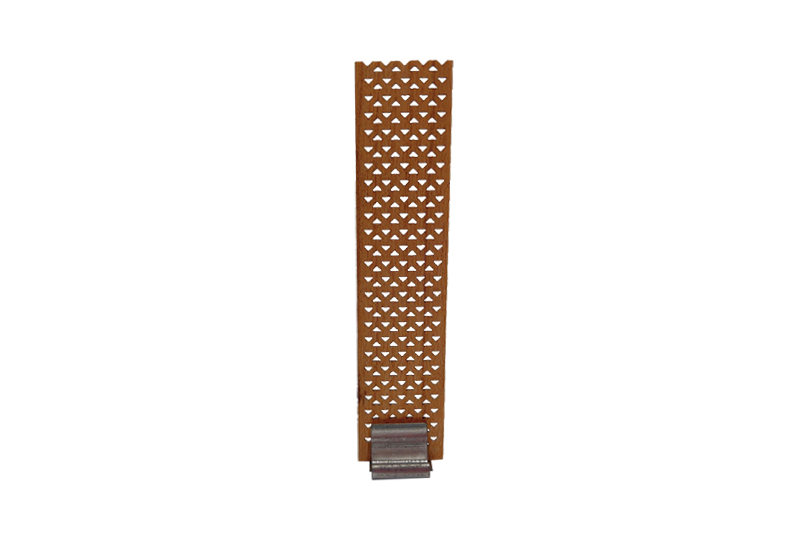
The Perforated Crackling Wooden Wick Panel is a precision-cut wooden wick material created for candle production. It features a uniform perforated pattern across the panel surface, allowing candle makers to cut, shape, and adapt the material according to their specific requirements. The panel format is especially valuable for businesses that need flexibility in product development, because it can support different wick sizes without requiring a separate mold or separate inventory for every candle design.
The product is available in multiple shapes and dimensions, including triangular, five-pointed star, round, diamond-shaped, and heart-shaped wood core options. These forms help candle makers create distinctive candle aesthetics while maintaining the functional benefits of wooden wicks. Sizes include options such as 20 × 36 mm, 20 × 90 mm, 40 × 40 mm, 70 × 60 mm, 70 × 90 mm, and 101 × 76 mm, giving buyers a broad selection for trial production, seasonal lines, and bulk customization.
Because wooden wicks are visible before and during use, their appearance matters. A wick with rough edges, inconsistent texture, or an unattractive finish may reduce the perceived value of a candle. This panel is designed with a smooth wooden surface and a carefully arranged cutout pattern, giving it a more refined and decorative look. Even before the candle is lit, the wick contributes to the product’s premium visual impression.
The product is particularly suitable for candle brands that focus on natural style, artisan design, home fragrance, cozy atmosphere, and gift-ready presentation. It can be used in jar candles, decorative candles, small-batch handmade candles, aromatherapy products, and selected scented set designs. For brands that want to differentiate their candles from mass-market products, this wick panel offers a strong balance of function, beauty, and customization potential.
Consumer preferences in the home fragrance market have shifted significantly in recent years. Buyers no longer select candles only by scent; they also pay attention to packaging, container design, burn experience, atmosphere, and the emotional value of the product. Wooden wicks meet this demand because they introduce a visual and acoustic element that cotton wicks cannot provide in the same way.
When lit, a properly prepared wooden wick can produce a soft crackling sound. This sound is often compared to a small fireplace or a cozy wood-burning atmosphere. For many users, the experience feels calming, warm, and intimate. In scented candle products, this sensory addition can enhance the perceived quality of the fragrance and make the candle feel more suitable for relaxation, meditation, reading, bathing, or evening home decoration.
From a merchandising perspective, wooden wicks also photograph well. They create a strong visual point in product images and social media content. A candle with a clean wooden wick often looks more premium than a comparable candle with a standard cotton wick. This helps brands improve product presentation across online stores, catalogs, gift boxes, and retail displays.
However, not all wooden wicks are equal. A low-quality wooden wick may burn unevenly, produce excessive smoke, split during production, or fail to create a consistent flame. This is why the structure and precision of the wick material are important. The Perforated Crackling Wooden Wick Panel is designed to improve consistency by using a controlled perforated layout and a stable panel structure, making it easier for candle makers to achieve repeatable results through proper testing.
Compared with standard cotton wicks, the Perforated Crackling Wooden Wick Panel provides a stronger visual identity. Cotton wicks are practical and widely used, but they are usually invisible as a design feature. Wooden wicks, especially perforated wooden panels, become part of the candle’s style. They help communicate a handcrafted, natural, and premium feeling.
Compared with simple wooden strips, the perforated panel offers more design and production flexibility. Traditional wooden wick strips are often supplied in fixed widths and lengths, limiting how much customization can be done without ordering different specifications. A panel format allows makers to cut the wick according to the candle’s needs. This reduces development restrictions and supports faster experimentation.
The uniform perforated pattern is another advantage. The cutouts help reduce unnecessary material while maintaining structural integrity. This creates a lighter and more decorative wick structure. The pattern also allows better airflow interaction around the burning area, which can support stable combustion when the wick size is correctly matched to the wax and container.
Compared with decorative wick shapes that are difficult to use in real production, this product is designed to be both attractive and practical. The panel can be cut into different sizes, and the available shape options allow candle makers to select a design that fits the theme of their product. For example, a heart-shaped wick may suit gift candles or romantic collections, while a round or diamond-shaped option may fit modern minimalist candle lines.
Another advantage is inventory flexibility. A candle workshop that produces many container sizes often needs multiple wick types. By using a panel that can be adapted, the maker can simplify stock management during product development and testing. This is especially useful for small and medium-sized brands that need to launch new collections quickly without holding excessive component inventory.
The most noticeable feature of the Perforated Crackling Wooden Wick Panel is its perforated surface. These openings are not merely decorative. They contribute to the way the wick interacts with flame, heat, wax, and air. In candle burning, airflow and fuel supply are closely related. A wick must absorb or conduct melted wax efficiently while supporting a controlled flame. If the flame receives too much fuel, it may become large, smoky, or unstable. If it receives too little fuel, it may extinguish or tunnel.
The perforated design helps create a more balanced structure. By reducing excess material, the wick becomes less dense than a solid wooden piece of the same size. This can help the wick respond more predictably when tested with the right wax formula. The open pattern also adds more edges and surfaces, which can influence how the flame travels and how heat is distributed across the wick body.
For candle makers, the key benefit is adjustability. The panel can be tested in different sizes and paired with various wax types, including soy wax, blended vegetable wax, paraffin blends, coconut wax blends, or other candle formulations. The final burn effect will depend on the wax composition, fragrance oil percentage, dye load, container diameter, and wick height. Because of this, a customizable wick panel is valuable: it allows makers to fine-tune the wick size until they find the most stable burn result.
In practice, testing is essential. Even a high-quality wick must be evaluated in the final candle system. The same wick may behave differently in a narrow glass jar than in a wide ceramic container. A fragrance oil with a heavy base note may require different wick sizing than a lighter fragrance. The Perforated Crackling Wooden Wick Panel gives makers a flexible starting point for this type of professional development.
Home fragrance is an emotional category. The customer often purchases not only a scent but also a mood, memory, or lifestyle image. This is why visual details matter. A refined wooden wick can elevate the entire candle design. The Perforated Crackling Wooden Wick Panel has a warm natural appearance that pairs well with many popular candle styles, including rustic, Nordic, minimalist, botanical, luxury spa, seasonal, and handmade gift themes.
The perforated pattern gives the wick a decorative quality that standard flat wood strips do not have. It creates depth and texture, making the wick look intentional rather than purely functional. When placed in a transparent glass jar, a matte ceramic vessel, a metal tin, or a decorative container, the wick can become part of the overall design language.
This visual advantage is especially important for e-commerce. Online customers rely heavily on product images. A candle with a distinctive wick may attract attention more quickly in search results, product galleries, and social media posts. The wick can help communicate premium value before the customer reads the description. For gift sets, the visual appeal can also increase perceived value because the product looks more carefully designed.
In retail settings, small details influence buying decisions. When multiple candles are displayed together, the customer may choose the one that looks more special or giftable. A perforated wooden wick can provide that extra point of difference. It also creates a natural conversation feature for sales teams, distributors, and brand owners: the candle does not only smell good; it also produces a gentle crackling ambiance.

| Product Name | Perforated Crackling Wooden Wick Panel |
| Product Category | Wooden Candle Wick |
| Main Use | Scented candles, aromatherapy wax tablets, decorative candles, candle gift sets, DIY candle making |
| Key Feature | Perforated wooden structure with crackling burn effect |
| Available Shapes | Triangular, five-pointed star, round, diamond-shaped, heart-shaped |
| Example Dimensions | 20 × 36 mm, 20 × 90 mm, 40 × 40 mm, 70 × 60 mm, 70 × 90 mm, 101 × 76 mm |
| Customization Support | Logo printing, specification adjustment, packaging support, OEM and ODM development |
| Target Users | Candle manufacturers, private-label brands, wholesalers, craft candle studios, DIY candle makers |
| Design Benefit | Natural appearance, decorative perforated pattern, premium visual identity |
| Functional Benefit | Improved airflow structure, flexible cutting, steady burn potential after proper testing |
The Perforated Crackling Wooden Wick Panel is suitable for a wide range of candle products. In scented jar candles, it can provide a premium look and an enhanced burning experience. The crackling sound is especially attractive for fragrance themes such as sandalwood, cedar, amber, vanilla, fireplace, forest, coffee, tobacco, musk, cinnamon, and autumn or winter collections. These scents already suggest warmth and comfort, and a crackling wooden wick reinforces the mood.
For aromatherapy wax tablets and decorative wax products, the panel can contribute to visual design. Even when the product is not used in the same way as a jar candle, the wooden element can add handcrafted character. In shaped candles, the wick can support theme-based designs. For example, heart-shaped wood core options may be used in Valentine’s Day collections, wedding gifts, anniversary candles, or romantic home fragrance sets.
Gift sets can also benefit from this component. A scented set that includes candles, reed diffusers, accessories, or fragrance products needs a unified premium presentation. A perforated wooden wick can make the candle portion of the set appear more sophisticated. When paired with elegant labels, color boxes, and carefully selected fragrance oils, the final product becomes more competitive in retail and online gift markets.
For DIY makers, the panel gives more creative freedom. Instead of being limited to pre-cut wick strips, users can experiment with shapes and sizes. This allows craft candle creators to develop unique products for local markets, online shops, workshops, and handmade fairs. The panel format supports both function and creative exploration.
High-quality wooden wick production requires attention to material selection, cutting accuracy, surface quality, structure consistency, and final inspection. The Perforated Crackling Wooden Wick Panel is produced with an emphasis on precision and repeatability. The perforated pattern must be evenly arranged so the panel remains balanced and attractive. If the pattern is irregular, it can affect both the appearance and the user’s confidence in the product.
The production process begins with selecting suitable wooden material for wick use. The material must be capable of being cut into thin, consistent forms while maintaining structural stability. It should not be overly brittle, uneven, or prone to uncontrolled splitting. After material preparation, the panel is cut into the required design using controlled processing methods that support neat edges and repeatable dimensions.
Perforation is a key step. The openings must be clean, consistent, and aligned with the intended pattern. Poor perforation may leave rough fragments or weak points. A well-made perforated panel should preserve the structural integrity of the wick while reducing unnecessary material. This balance is important because the wick must remain strong enough for handling, assembly, and insertion into candle wax.
Surface finishing is also important. Candle components are often handled by production workers, craft makers, and end users. A smooth surface reduces the risk of splinters and improves the product’s appearance. A clean finish also helps the wick look more refined inside the candle container. After cutting and finishing, the panels should be inspected for visible defects, inconsistent dimensions, warping, cracking, and poor edge quality.
Quality control continues through packaging and shipping preparation. Wooden wick panels must be protected from excessive moisture, pressure, and deformation. Proper packing helps maintain their shape and usability during transport. For export buyers, stable packaging is especially important because components may travel long distances before reaching candle factories or brand warehouses.
Hangzhou Leo Home Trading Co., Ltd. supports this product with a strong supply chain background in home fragrance and daily-use lifestyle products. Based in Hangzhou, China, the company provides international trading, sourcing, customization, and delivery support for overseas clients. Although the company was founded in January 2025, its team and partner network are built around efficient supply chain management and cross-border service experience.
One of the company’s key strengths is integration. It works with candle factories, jar customization partners, and color box factories to help clients develop complete product solutions. For buyers of wooden wick panels, this means the component can be considered within a broader candle development process. Instead of purchasing a wick separately and solving all other production details alone, clients can receive support with containers, fragrance choices, labels, packaging, and finished candle concepts.
The company provides OEM and ODM customization services. This is valuable for private-label brands that need distinctive specifications, packaging, and product positioning. For wooden wick panels, customization may involve size selection, shape preference, packaging method, logo printing, or matching the wick with a broader candle collection. The ability to coordinate multiple production elements helps clients reduce development time and improve launch efficiency.
Quality assurance is another important advantage. The company follows quality control procedures from raw material selection to finished goods inspection. In the candle industry, small inconsistencies can create large problems. A wick that is slightly unsuitable for a wax formula may affect burn performance; a poorly packed component may arrive warped; an inconsistent accessory may reduce the perceived value of the finished candle. By focusing on inspection and supplier coordination, the company helps reduce these risks.
The company’s supply chain also supports flexible delivery. Its partner network can support bulk production and replenishment while also accommodating smaller volumes and trial runs. This flexibility is important because candle brands often need to test products before committing to large orders. Seasonal collections, limited editions, and market-specific launches may require smaller initial quantities followed by fast scaling if sales are strong.
Private-label buyers need components that help them create a recognizable product identity. The Perforated Crackling Wooden Wick Panel supports this goal because it offers an immediate point of difference. A candle using this wick can be positioned as more artisanal, atmospheric, and premium than a basic candle with a standard wick. This helps brands compete in crowded markets where fragrance alone may not be enough.
Wholesalers also benefit from the product’s versatility. Because the panel is available in multiple shapes and dimensions, it can serve different customer groups. A wholesaler may supply craft makers, small candle studios, or larger manufacturers using the same product family. The variety of options increases the chance of meeting different market requirements without building an overly complex product portfolio.
For importers and distributors, supplier reliability is critical. Hangzhou Leo Home Trading Co., Ltd. provides communication, sourcing coordination, and export support. The company’s location near key logistics channels, including access to efficient port shipping routes, supports international delivery. This helps overseas buyers manage lead times and replenishment planning more effectively.
Another advantage is product development support. Buyers may not always know which wick size is best for a new candle. The company can assist with specification discussion, sample coordination, and practical recommendations based on product goals. While final burn testing remains necessary for each candle formula, professional supply support helps clients start from a more suitable range of options.
Professional candle making depends on testing. Even experienced candle makers cannot assume that one wick will work perfectly in every candle. The correct wick depends on the container diameter, wax type, fragrance load, dye, additives, and desired burn time. A wick that is too small may cause tunneling, weak scent throw, or self-extinguishing. A wick that is too large may create excessive flame height, soot, overheating, or rapid wax consumption.
The Perforated Crackling Wooden Wick Panel supports better testing because it is adaptable. Makers can cut different widths and lengths from the panel, compare burn results, and refine the final specification. This is especially helpful during product development when the candle design is still changing. If a brand changes the jar diameter or fragrance percentage, the wick may also need adjustment. A flexible panel makes this process easier.
Testing should include cold throw, hot throw, melt pool development, flame height, crackling sound, smoke level, container temperature, and total burn behavior over multiple cycles. A candle should be burned for several hours at a time, extinguished, cooled, trimmed if needed, and relit. Observing the wick through repeated burn cycles gives a more accurate understanding of performance than a single short test.
Wooden wicks often require different handling from cotton wicks. The wick height above the wax surface should be controlled carefully. If the wick is too tall, the flame may become too large; if it is too short, it may struggle to stay lit. The panel’s structure allows makers to prepare samples and adjust their process until the desired result is achieved.

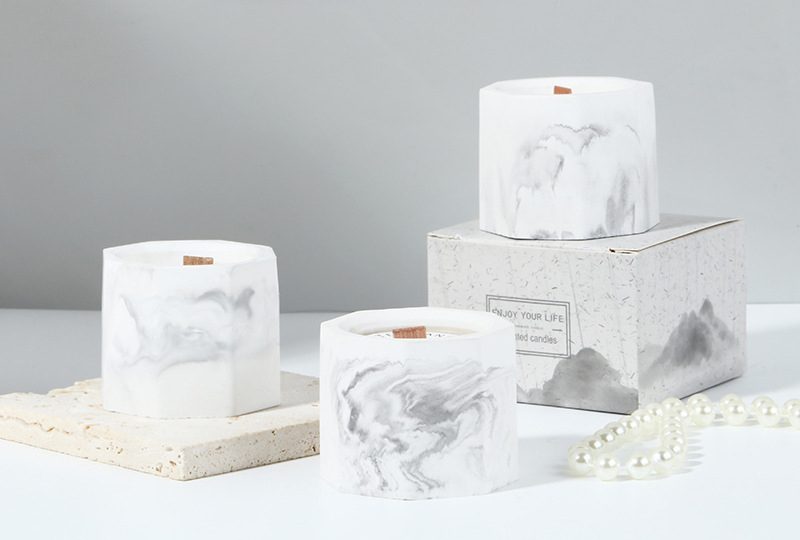
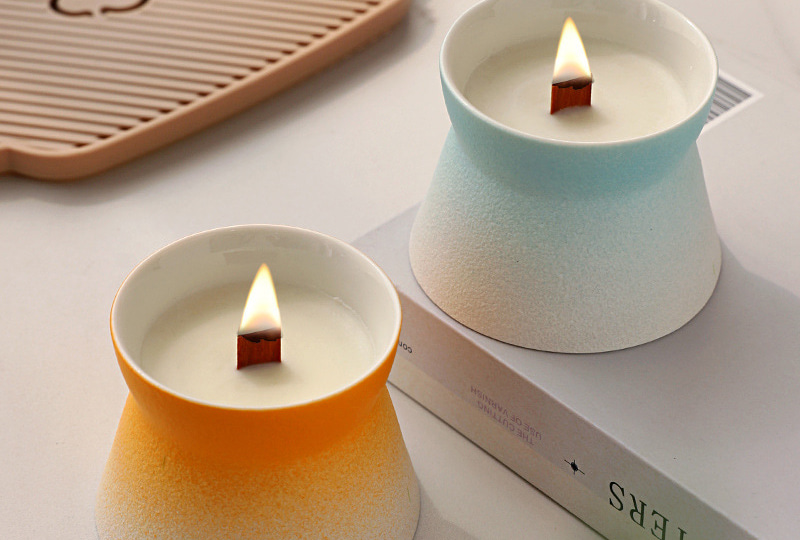
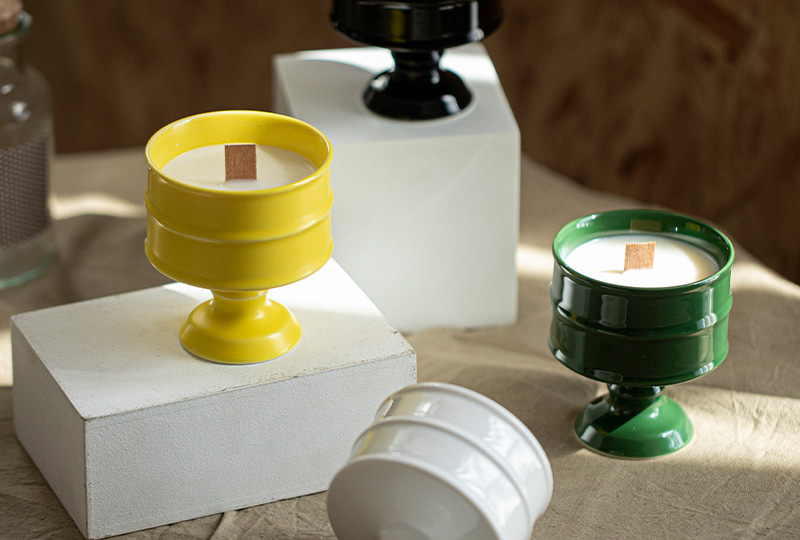
The appearance of a wooden wick should harmonize with the candle container. In transparent glass jars, the wick becomes a visible design element. The perforated structure can look modern and refined, especially when paired with clean labels and neutral wax colors. In amber glass jars, the wooden wick supports a warm, vintage, apothecary-inspired style. In ceramic vessels, it complements natural and minimalist collections.
Fragrance selection also matters. Wooden wicks are especially effective in concepts that emphasize comfort, nature, warmth, and atmosphere. Scents such as cedarwood, pine, sandalwood, patchouli, leather, vanilla, tonka bean, coffee, amber, spice, and smoky notes pair naturally with a crackling wick. However, the product can also be used creatively with floral, fruity, or fresh fragrances to create contrast. For example, a fresh linen candle with a wooden wick may feel cleaner and more modern, while a rose candle with a heart-shaped wooden wick may become more suitable for gifting.
Seasonal collections are another strong application. Autumn candles can use wooden wicks to emphasize harvest, spice, and cozy home themes. Winter candles can use them to create fireplace, holiday, and evening relaxation moods. Spring and summer candles can use lighter shapes and smaller sizes to maintain a decorative but gentle style.
Because the panel is customizable, brands can align wick design with packaging design. A diamond-shaped option may suit luxury packaging, while a star shape may suit festive or holiday collections. A heart-shaped form may fit romantic gift boxes. This design coordination helps create stronger product storytelling and improves shelf appeal.
Modern buyers increasingly care about responsible product design. While sustainability depends on the full supply chain, material efficiency is one practical area where the Perforated Crackling Wooden Wick Panel offers advantages. The perforated pattern removes excess material while preserving the wick’s functional structure. This can reduce unnecessary material use compared with a fully solid design of similar external dimensions.
The panel format can also help reduce waste during product development. Instead of ordering many separate pre-cut wick specifications that may not all be used, makers can work from panels and cut trial sizes as needed. This is especially useful in research and development stages, where many candle tests may be required before confirming the final product.
In addition, wooden wicks may support a more natural product image when paired with suitable waxes, recyclable containers, and thoughtful packaging. For brands building eco-conscious or nature-inspired collections, the visual language of wood can strengthen the message. However, responsible marketing should always be accurate. The wick should be presented according to its actual material, production process, and supplier documentation.
To preserve the quality of wooden wick panels, proper handling and storage are important. Wooden components should be kept in a dry, clean, and stable environment. Excessive humidity may affect the material, while excessive dryness or pressure may increase the risk of warping or cracking. Panels should be stored flat and protected from heavy objects that could bend or deform them.
During production, workers should handle the panels carefully to avoid damaging thin edges or perforated areas. When cutting the panel into final wick sizes, clean tools and consistent pressure should be used. Rough cutting may create splinters or uneven edges, which can affect appearance and handling. After cutting, the wick pieces should be inspected before insertion into candles.
For candle assembly, the wick should be centered properly. A wick that is off-center may create uneven melting, container overheating on one side, or poor burn appearance. Wick holders, clips, or suitable fixing methods can help maintain position during wax pouring and cooling. The final wick height should be trimmed according to the candle maker’s tested specification.
When shipping internationally, packaging should protect the panels from compression and moisture. Buyers should communicate carton requirements, labeling needs, and storage instructions with the supplier. For private-label or retail-ready supply, customized packaging can be developed to support brand presentation and convenient distribution.
The home fragrance market is competitive, and many candle products appear similar at first glance. Brands need meaningful differentiation. The Perforated Crackling Wooden Wick Panel provides differentiation in three ways: sensory experience, visual design, and production flexibility.
The sensory experience comes from the crackling sound and flame presence. Consumers often remember candles that feel special during use. A crackling wooden wick can make the product more memorable and encourage repeat purchase. It also supports storytelling in marketing descriptions, product packaging, and sales conversations.
The visual design advantage comes from the perforated wooden structure. The wick looks crafted and intentional. It can support premium photography and gift presentation. In markets where customers compare many candles online, this detail can improve click interest and perceived value.
The production flexibility advantage comes from the panel format and multiple shape options. Brands can adapt the wick to different containers, collections, and themes. This flexibility is difficult to achieve with ordinary pre-cut wicks unless buyers maintain a large inventory of separate sizes.
Compared with competitors that supply only basic wick strips, this product offers a more complete design solution. Compared with suppliers that focus only on low price, Hangzhou Leo Home Trading Co., Ltd. emphasizes customization, quality control, and supply chain support. This makes the product suitable not only for simple component purchasing but also for broader candle product development.
OEM and ODM buyers often need more than a single component. They may require a complete candle solution that includes wick selection, wax formulation, fragrance, container, label, packaging, and export documentation. Hangzhou Leo Home Trading Co., Ltd. is positioned to support these needs through its integrated supply chain resources and customization services.
For OEM projects, the buyer may already have a product concept, target price, and packaging style. The company can help source and coordinate the appropriate wooden wick panel specifications to match the design. For ODM projects, the buyer may need product development support from the concept stage. In this case, the perforated wooden wick can become part of the product’s core selling point.
Customization may include selecting a specific shape, adjusting dimensions, preparing samples, developing a set of fragrance themes, and matching the candle with suitable jars or color boxes. This coordinated approach reduces the complexity of dealing with multiple suppliers. It also helps maintain consistency across the finished product line.
For seasonal programs, speed and flexibility are especially important. Candle collections for holidays, promotions, and gift seasons must be developed and delivered on schedule. A supplier with reliable coordination ability can help buyers avoid delays and quality problems. The company’s experience in export markets, including North America, Europe, and the Middle East, supports communication with international buyers and helps align products with market expectations.
Selecting the right wooden wick size begins with the candle container. A larger diameter generally requires a wider or stronger wick structure, while a smaller container requires a more controlled flame. However, diameter is only the starting point. Wax type, fragrance load, additives, and desired burn style all influence the final choice.
For initial testing, candle makers should prepare several wick sizes from the panel. Each test candle should use the same wax batch, fragrance percentage, dye amount, container type, and curing time. This allows the maker to compare wick performance accurately. Testing too many variables at once may make results difficult to understand.
During testing, makers should observe whether the melt pool reaches the container edge within a reasonable time, whether the flame remains steady, whether smoke appears, and whether the wick produces the desired crackling effect. The container temperature should also be checked to ensure safe performance. A beautiful flame is not enough if the container becomes too hot or the candle burns too quickly.
After identifying the best wick size, makers should repeat the test to confirm consistency. They should also test the candle after full curing, because wax and fragrance performance may change over time. For commercial products, batch testing and quality records are recommended.
One common mistake is choosing a wooden wick only for appearance without burn testing. While the Perforated Crackling Wooden Wick Panel has strong design value, it must still be matched to the candle formula. A wick that looks perfect may not be the correct size for a specific wax and jar combination.
Another mistake is leaving the wick too tall. Wooden wicks usually perform best when trimmed to a controlled height. If the wick extends too far above the wax, it may produce an oversized flame, smoke, or uneven burning. Proper trimming instructions should be included for end users when necessary.
A third mistake is ignoring fragrance load. Some fragrance oils affect combustion more than others. Heavy fragrance loads may require wick adjustments. Candle makers should test each fragrance individually rather than assuming one wick size will work across an entire collection.
Poor centering is also a frequent issue. A wooden wick must be placed accurately in the container. If it leans or shifts during pouring, the burn may become uneven. Production teams should use reliable centering methods and inspect candles after cooling.
Finally, improper storage can damage wooden components. Panels should not be exposed to moisture, heavy pressure, or unstable environments. Good storage practices protect the product’s performance and appearance.

The main purpose is to provide candle makers with a decorative and functional wooden wick material that can be cut and adapted for different candle sizes. It supports a crackling burn effect, a natural visual style, and flexible product development.
Unlike cotton wicks, this wooden wick panel adds visible design value and can create a gentle crackling sound during burning. It helps candles feel more premium, atmospheric, and distinctive.
Regular wooden wick strips are usually supplied in fixed sizes. The panel format allows candle makers to cut different dimensions from one sheet, making it more flexible for testing and customization. The perforated pattern also adds decorative texture and helps reduce excess material.
It can be used in many candle types, including scented candles, decorative candles, aromatherapy wax products, and gift candles. However, every candle formula requires testing. Wax type, container size, fragrance load, and wick dimensions must be matched carefully.
The product is designed to support a crackling effect, but the final sound depends on the candle formula, wick size, wax type, moisture conditions, and burn environment. Proper testing and correct wick preparation help improve the result.
Available options include triangular, five-pointed star, round, diamond-shaped, and heart-shaped wood core styles. These options allow brands to match wick design with product themes and packaging concepts.
Example dimensions include 20 × 36 mm, 20 × 90 mm, 40 × 40 mm, 70 × 60 mm, 70 × 90 mm, and 101 × 76 mm. Buyers can discuss suitable sizes according to their candle container and production requirements.
Yes. It is especially suitable for private-label brands because it creates a clear point of difference. It can be integrated with customized jars, labels, fragrances, and packaging to build a more competitive candle line.
Yes. Customization support may include logo printing, specification adjustment, packaging development, and OEM or ODM coordination depending on order requirements.
The company provides integrated sourcing, customization, quality control, and export support. Its supply chain resources cover candle factories, jar customization partners, and packaging suppliers, helping buyers develop complete and competitive candle products.
The Perforated Crackling Wooden Wick Panel is more than a candle component. It is a design feature, a functional tool, and a product development solution for modern candle makers. Its perforated structure, natural wooden appearance, crackling effect, and flexible panel format make it suitable for brands that want to create distinctive scented candles and gift products.
Compared with ordinary wick options, it offers stronger visual identity, greater customization potential, and a more memorable user experience. Compared with basic wooden strips, it gives makers more freedom to test, cut, and adapt the wick for different containers and product concepts. These advantages make it valuable for both professional manufacturers and creative DIY users.
Supported by the supply chain capabilities of Hangzhou Leo Home Trading Co., Ltd., the product can be integrated into broader candle development programs involving fragrance selection, jar design, label creation, packaging, and export delivery. The company’s focus on customization, quality assurance, flexible delivery, and international service strengthens the product’s commercial value for global buyers.
For candle brands seeking a balance between practicality and craftsmanship, the Perforated Crackling Wooden Wick Panel provides an effective path forward. It helps transform candles from simple fragrance products into atmospheric lifestyle items with sound, texture, warmth, and visual appeal.
1. Candle Science and Testing Principles for Wick Selection, Industry Training Notes.
2. Home Fragrance Product Development and Consumer Experience Trends, Market Research Summary.
3. Wooden Wick Performance Considerations in Scented Candle Manufacturing, Technical Application Guide.
4. Quality Control Practices for Candle Components and Decorative Accessories, Manufacturing Reference Manual.
5. OEM and ODM Development Methods for Private-Label Home Fragrance Products, Export Trade Handbook.


Room 1701, Building C1, Wangjing, Xiaoshan District, Hangzhou City, Zhejiang Province, China.

+86-15937257616

Copyright© 2026 Hangzhou Leo Home Trading Co., Ltd. All Rights Reserved.

Luxury Candles Home Fragrance Manufacturers Modern Candles Factory