 English
 Français
News
Home / Author / Sophia Lin — Product Sales Executive / Multi-Type DIY Candle Wax for Modern Candle Making
Content
Modern candle making is no longer limited to one wax, one fragrance, or one production method. The best candle collections now depend on material intelligence: choosing the correct wax for a container candle, selecting a different wax for a pillar, blending for better fragrance throw, and matching the visual finish to a retail concept. Multi-Type DIY Candle Wax — Soy, Beeswax, Coconut & Paraffin is designed for this exact purpose. It brings together the major wax families used in today’s candle industry, including soy flake wax, white beeswax, yellow beeswax, natural coconut wax, surface decorating soft wax, refined paraffin block, paraffin granule, jelly wax, and ice wax.
This product is more than a simple assortment. It is a structured wax material system for candle makers, studios, craft retailers, educational programs, and developing brands that need reliable, clearly labeled, and application-ready wax options. Each wax type is supplied in a form that suits its handling behavior, such as flakes for soy wax, pellets for beeswax, and granules or blocks for paraffin-based materials. This practical packaging logic helps users reduce trial-and-error, understand melting behavior, and apply the right material to the right candle category.
For wholesale buyers and product developers, the advantage of a multi-type wax collection is significant. Instead of sourcing separate waxes from multiple suppliers with inconsistent specifications, users can access a coordinated material range that supports testing, production planning, and formula comparison. For candle making businesses, this creates a more stable development process. For craft retailers, it provides a valuable educational and sales product. For studios and training programs, it offers a hands-on material library that demonstrates the differences between natural waxes, blended waxes, and technical paraffin grades.
Hangzhou Leo Home Trading Co., Ltd. supports this product with an efficient sourcing, customization, quality control, and export service system. Based in Hangzhou, China, the company focuses on home fragrance, daily household products, and lifestyle categories, with particular strength in scented candles, candle components, LED candles, fragrance gift sets, and related packaging. Its supply chain resources include candle factories, jar customization partners, color box factories, and in-house quality control capability, enabling buyers to connect raw material selection with finished candle development and packaging solutions.
Multi-Type DIY Candle Wax — Soy, Beeswax, Coconut & Paraffin
The central value of this wax product lies in its diversity. Candle makers often begin with one popular wax, such as soy wax, but soon discover that different candle forms require different performance characteristics. A container candle needs good adhesion, low shrinkage, stable fragrance release, and a smooth top. A pillar candle needs structural strength, clean mold release, and reliable hardness. A taper candle requires shape retention and controlled burn behavior. A decorative whipped or surface effect may need a softer wax that can be shaped, textured, or layered. A translucent or artistic candle may require jelly wax or specialized paraffin grades.
By including soy, beeswax, coconut, and paraffin waxes in one collection, the product gives users a broad working base. Soy flake wax is widely used for container candles because it is plant-based, easy to melt, and popular among customers who prefer a clean and natural identity. Coconut wax is valued for its creamy appearance and excellent compatibility with premium container candle concepts. Beeswax, available in both white and yellow types, provides a natural material choice for pillars, tapers, molded shapes, and traditional wax craft. Paraffin wax grades remain important for technical candle applications because they can offer excellent rigidity, smooth finish, vivid color expression, and specialized visual effects.
This range does not force candle makers into a single material philosophy. Instead, it recognizes that successful candle development is often based on intelligent selection and blending. Some products benefit from natural wax positioning. Others require the structural reliability of paraffin. Some premium collections may use coconut-soy blends. Some decorative candles may combine harder base waxes with softer surface waxes. By making these options available together, the collection allows buyers to compare performance under similar working conditions.
Many competitors sell wax as isolated raw material. A supplier may offer only soy wax, only paraffin, or only beeswax pellets. This approach can work for experienced factories that already have mature formulas, but it creates limitations for new brands, craft buyers, and studios that are still developing product lines. When each wax comes from a different source, variations in melting point, oil content, color, odor, hardness, and batch consistency can complicate testing. It becomes difficult to determine whether a candle issue is caused by the formula, the fragrance, the wick, the container, the dye, or the wax quality itself.
A coordinated multi-type wax collection helps solve this problem. Because the materials are selected and organized as a development range, candle makers can test different waxes with greater confidence. They can compare soy flake wax against coconut wax for container candle performance, evaluate white and yellow beeswax for natural candle aesthetics, and study paraffin block or granule wax for harder structures. The value is not simply in having many waxes; it is in having materials that are clearly identified and suitable for systematic comparison.
This product also has an educational advantage over single-wax purchasing. Many candle makers learn fastest by handling raw materials directly. They can observe how soy flakes soften, how beeswax pellets melt, how paraffin blocks require cutting or controlled heating, and how jelly wax behaves differently from traditional opaque wax. This direct experience builds practical confidence. For craft retailers, the collection can be positioned as a learning kit for customers who want to understand the foundations of candle making. For training programs, it supports demonstrations and student experiments.
Another advantage is product development speed. A new candle brand may not know whether its target market prefers a natural matte finish, a glossy paraffin finish, a creamy coconut finish, or a decorative wax surface. With a multi-type wax range, the brand can prototype multiple visual and burn styles quickly. This shortens the time between concept and sample approval. It also supports more professional communication with fragrance suppliers, wick suppliers, jar manufacturers, and packaging designers, because the wax direction can be decided earlier and with better evidence.
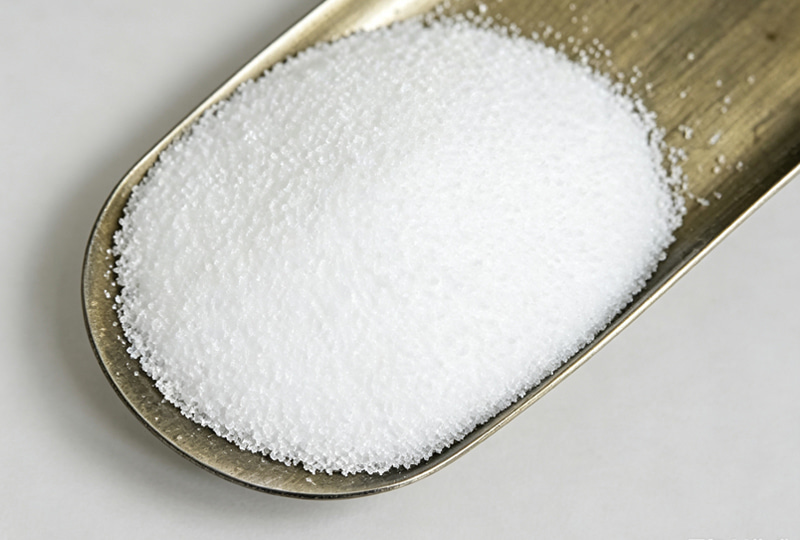
Soy wax remains one of the most popular choices for container candles. Its plant-based origin and familiar consumer reputation make it attractive for brands targeting natural, cozy, and accessible home fragrance lines. In flake form, soy wax is easy to handle, measure, and melt. Flakes reduce the need for heavy cutting tools and support convenient small-batch testing. For workshops and craft kits, this handling advantage is especially important because users may not have industrial melting equipment.
In container candles, soy wax can provide a soft matte finish and comfortable burn profile. It is commonly selected for scented candles in glass jars, ceramic containers, tins, and seasonal gift packaging. The wax can be paired with fragrances ranging from floral and fruity notes to woody, amber, herbal, and gourmand scents. When properly matched with wick size and fragrance load, soy wax can support stable burning and appealing scent release.
Compared with lower-grade container waxes, a consistent soy flake material helps reduce problems such as unpredictable frosting, excessive cracking, uneven melt pools, and poor adhesion. While some visual changes are natural to soy wax, controlled material quality and correct processing can improve the final result. This is why clearly labeled melting guidance and application notes are valuable. They help makers understand that wax performance depends not only on the raw material but also on heating temperature, fragrance addition temperature, pouring temperature, cooling environment, and container design.
Beeswax has a long history in candle making and continues to hold a premium position because of its natural origin, characteristic texture, and firm structure. This collection includes both white beeswax and yellow beeswax, allowing users to choose between a cleaner, lighter appearance and a warmer, more traditional natural tone. White beeswax is often preferred when color control is important or when the candle design requires a pale base. Yellow beeswax is suitable for natural-style candles where the warm color itself contributes to the product identity.
In pellet form, beeswax is convenient to dose and melt. Pellets are easier to manage than large blocks and are suitable for workshops, studios, and small production environments. Beeswax can be used in pillars, tapers, molded ornaments, wax sachets, and blended formulas. Its higher natural firmness makes it useful when structure is required. It can also be blended with softer waxes to improve hardness and burn performance.
Compared with many basic wax materials, beeswax carries strong perceived value. Consumers often associate it with natural craft, tradition, and premium handmade goods. For brands, beeswax can support higher-end positioning, especially when used in minimalist pillars, gift sets, wellness-inspired products, or artisanal candle collections. However, beeswax also requires correct processing. Overheating should be avoided, and wick selection must match the candle diameter and wax blend. Clear application notes help makers reduce waste and improve repeatability.
Coconut wax is increasingly used in premium container candle development because of its smooth, creamy visual quality and luxury positioning. It is often associated with soft texture, elegant appearance, and high-end home fragrance collections. Coconut wax may be used alone in certain formulas or blended with soy, paraffin, or other waxes depending on the desired hardness, scent throw, and surface finish.
For brands developing boutique candle lines, coconut wax provides a valuable sensory advantage. The surface can appear refined and smooth, helping the finished candle look more luxurious in glass or ceramic vessels. This matters because modern candles are not judged only by burning performance; they are also interior decor objects. A premium wax appearance supports photography, shelf display, gift packaging, and customer perception.
Compared with ordinary wax options that may deliver acceptable function but limited visual appeal, coconut wax gives developers another aesthetic direction. It is especially useful for collections aimed at hotels, spas, lifestyle boutiques, and premium online retail. When combined with proper fragrance selection and elegant packaging, coconut wax can help a candle line stand apart from mass-market products.
Paraffin wax remains one of the most versatile and technically important candle materials. Although natural waxes are popular in many markets, paraffin continues to be widely used because it offers strong structure, good color expression, reliable mold release, and broad formulation flexibility. This collection includes several paraffin forms and grades, such as refined block paraffin, granule paraffin, jelly wax, and ice wax. Each grade supports different application needs.
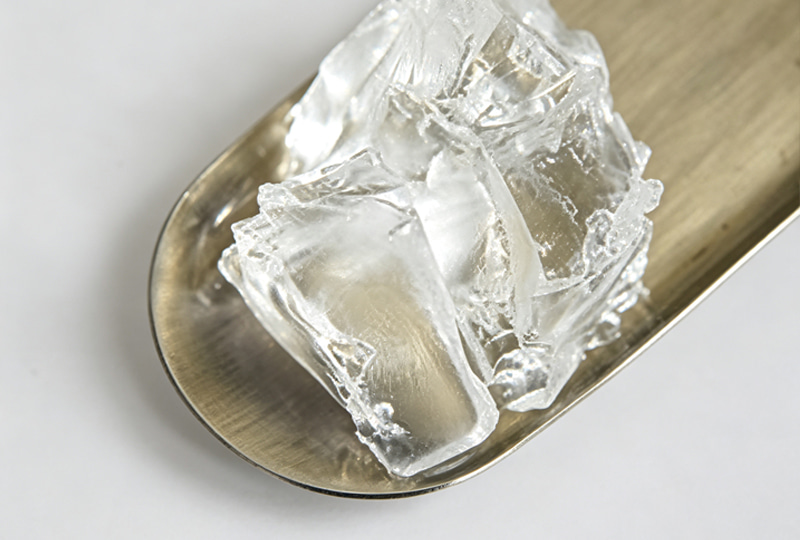
Refined block paraffin is suitable for structured candles, molded products, and formulas that require a firm base. Granule paraffin improves handling convenience, especially for users who want easier weighing and faster melting compared with large blocks. Jelly wax is used for transparent or semi-transparent candle designs, often combined with decorative inclusions or creative visual concepts. Ice wax can create unique crystalline or textured effects, making it useful for artistic candle collections and seasonal designs.
Compared with competitors offering only general-purpose paraffin, this multi-grade approach gives candle makers better control. A decorative candle factory may need a different paraffin behavior from a pillar candle producer. A craft studio making translucent candles requires a material very different from a manufacturer producing traditional white pillars. By separating the grades and clearly labeling their purposes, the product helps users avoid mismatching wax type and candle style.
Surface decorating soft wax expands the design possibilities of candle making. Not every candle is defined only by its body wax. Many contemporary candles include whipped tops, textured layers, embedded decorative shapes, frosting effects, or sculpted surfaces. These visual elements require wax that can be manipulated differently from the harder wax used for the candle base. A soft decorating wax supports creative finishing and helps brands produce more distinctive collections.
This type of wax is especially useful for dessert-style candles, seasonal gift candles, artistic container candles, and social-media-friendly product lines. In many markets, visual uniqueness is a major selling point. A candle that resembles cream, snow, foam, or sculpted decoration can attract customers looking for gifts or decorative objects. With a dedicated decorating wax, makers can improve both appearance and production consistency.
Compared with improvised decoration using unsuitable wax, a dedicated soft wax reduces common problems such as cracking, poor adhesion, collapse, or uneven texture. It also supports more predictable training for workers and students, because the material is chosen for the task rather than forced into an application it was not designed to perform.

The following table summarizes the role of each major wax type in the collection. It is intended as a practical reference for buyers, candle makers, and product developers when selecting wax for sampling, training, or production planning.
| Wax Type | Typical Form | Main Application | Key Advantage | Best User Scenario |
|---|---|---|---|---|
| Soy Wax | Flake | Container candles and scented jars | Easy handling, plant-based identity, smooth development for home fragrance | Studios, craft kits, private label scented candle lines |
| White Beeswax | Pellet | Pillars, tapers, molded candles, blends | Light color, natural origin, firm structure | Premium natural candle collections and color-controlled designs |
| Yellow Beeswax | Pellet | Traditional candles, pillars, tapers, wax craft | Warm natural color and artisanal appeal | Handmade brands, gift products, natural lifestyle lines |
| Coconut Wax | Soft solid or flake-like material depending on specification | Premium container candles | Creamy appearance and luxury positioning | Boutique home fragrance, spa, hotel, and gift ranges |
| Refined Paraffin | Block | Pillars, molded candles, technical blends | Strong structure, good finish, reliable molding performance | Factories and studios requiring shape stability |
| Paraffin Granule | Granule | General candle making and blending | Convenient dosing and faster melting than large blocks | Training programs, small-batch production, sampling rooms |
| Jelly Wax | Gel-like material | Transparent decorative candles | Visual clarity and creative design flexibility | Artistic candles, novelty products, decorative gift candles |
| Ice Wax | Specialty wax | Textured and crystalline candle effects | Unique surface appearance for creative collections | Seasonal lines, design-led candles, craft workshops |
| Surface Decorating Soft Wax | Soft wax | Whipped tops, surface textures, decorative layers | Easy shaping and improved decorative consistency | Dessert candles, themed gifts, creative container candles |
Wholesale buyers need more than attractive product descriptions. They need stable supply, clear specifications, documentation, packaging options, and responsive service. This wax collection supports those needs by offering multiple material types under a coordinated sourcing and quality framework. For distributors and craft retailers, it creates a product that can appeal to beginners, experienced makers, studios, and educational institutions at the same time. For candle manufacturers, it can function as a sampling and development base before larger-volume procurement.
One important advantage is reduced sourcing complexity. If a buyer wants to build a candle making product category, sourcing soy wax from one supplier, beeswax from another, coconut wax from a third, and paraffin grades from several more suppliers can be time-consuming. Differences in packaging, labels, documentation, minimum order quantities, and communication standards can create operational friction. A multi-type supply approach simplifies purchasing and makes category development easier.
Another advantage is market flexibility. Candle trends change quickly. One season may favor natural soy candles. Another may emphasize sculptural pillars. Holiday lines may need glittering jelly candles or textured ice wax effects. Gift retailers may ask for DIY candle kits. Spa and hotel clients may prefer creamy coconut container candles. With a broad wax collection, buyers can respond to these shifts without completely rebuilding their supplier base.
The product also helps wholesalers provide technical value to their customers. Instead of selling wax as a commodity, they can offer a practical material system with application guidance. This supports customer retention because buyers are more likely to return to a supplier that helps them solve production problems and develop better candles. Documentation for each wax type can support product education, retail instruction sheets, studio training, and online product pages.
Candle studios and craft retailers benefit from materials that are easy to explain, demonstrate, and use. A collection that includes multiple wax types naturally supports classes and workshops. Students can compare soy, beeswax, coconut, and paraffin in real time. They can observe melting points, textures, pouring behavior, fragrance interaction, and finished appearance. This turns candle making from a simple craft activity into a material learning experience.
For craft retailers, the product creates opportunities for bundled sales. A store can sell beginner kits with soy wax, premium kits with coconut wax, natural candle kits with beeswax, or creative decoration kits using soft wax and jelly wax. Because the wax types are clearly identified, customers can understand why one material is suitable for container candles while another is better for pillars or decorative effects. This clarity improves customer satisfaction and reduces misuse.
Studios can also use the collection to develop their own signature formulas. A workshop may begin with soy wax for basic scented jars, then introduce beeswax blends for firmer candles, coconut wax for premium classes, and jelly wax for creative projects. This progression supports repeat participation because students have new materials to explore. It also enables studios to create seasonal programs, such as holiday pillar candles, Valentine dessert candles, autumn scented jars, or summer transparent jelly candles.
New candle brands often face a difficult challenge: they must create a distinctive product line before they have years of formulation experience. Choosing the wrong wax can lead to unstable burning, poor fragrance throw, unattractive surfaces, or packaging mismatch. A multi-type wax collection reduces this risk by allowing brand developers to evaluate different directions early. They can test a natural line, a premium creamy line, a sculptural line, and a decorative line before committing to mass production.
This is especially important for OEM and ODM development. A brand may begin with a concept such as “modern minimalist home fragrance” or “playful dessert candles,” but the final material selection must match that concept. Soy wax may be ideal for warm lifestyle candles, while coconut wax may support a luxury collection. Beeswax may reinforce natural positioning, while paraffin may be necessary for sharp molded shapes. Soft decorating wax may transform a simple jar into a visually rich gift candle.
Hangzhou Leo Home Trading Co., Ltd. supports this development process with customization across specifications, fragrance selection, labels, and packaging. This means a buyer can move from wax testing to finished product planning within one service framework. The company’s supply chain includes candle manufacturing partners, jar customization resources, and color box factories, allowing raw material decisions to connect directly with vessel design and retail packaging. For new brands, this integrated support can shorten development cycles and reduce coordination costs.

The quality of wax raw material is only one part of successful candle production. The process behind sourcing, testing, storage, customization, and delivery matters just as much. Hangzhou Leo Home Trading Co., Ltd. operates with a modern supply chain model designed to connect buyers with reliable candle-related manufacturing resources. The company integrates multiple candle factories, jar customization partners, and color box factories to support cost control, flexible development, and stable delivery.
This coordinated manufacturing network creates several advantages. First, it enables broader product capability. Buyers interested in wax raw materials may also need finished candles, vessels, labels, cartons, gift boxes, or seasonal packaging. Instead of managing each supplier separately, they can work through a partner that understands the entire candle product chain. Second, it improves sampling efficiency. When wax, fragrance, jar, wick, and packaging decisions are coordinated, samples can be adjusted more quickly. Third, it strengthens quality consistency because the company can apply QC requirements across multiple stages rather than treating each component in isolation.
The company emphasizes quality assurance from raw material selection to finished goods inspection. This is especially important for wax products because minor differences in wax characteristics can affect melting, pouring, surface finish, fragrance performance, and burn behavior. A strict QC approach helps ensure that buyers receive consistent materials suitable for repeat testing and production. The company’s in-house lab capability supports inspection and development work, helping buyers refine specifications and evaluate performance.
Daily production and supply capacity are also important for wholesale customers. With access to a large manufacturing network and up to 50,000 units daily capacity for finished candle-related production, the company can support both stable bulk delivery and smaller trial runs. This flexibility is valuable because different buyers have different stages of growth. A new brand may begin with limited test quantities, while a distributor or chain retailer may require larger replenishment orders. A flexible supply chain can serve both without forcing customers into unsuitable purchasing models.
Good candle performance begins with raw material selection. Wax must be evaluated for appearance, odor, melting behavior, form, and suitability for the target application. Soy flakes should be clean and easy to melt. Beeswax pellets should show appropriate color and consistency. Coconut wax should support the desired creamy finish. Paraffin grades should match their technical use, whether for molding, granule handling, transparent jelly designs, or textured effects.
In a professional supply chain, raw material selection is not based only on price. Low-cost wax can create hidden expenses if it leads to rejected batches, customer complaints, excessive testing, or unstable production. The multi-type wax collection is designed to provide dependable base materials for development. This helps buyers focus on formula optimization rather than constantly questioning raw material reliability.
Each wax type has its own practical specifications, including melting point, form, application notes, and recommended use. Clear specification management helps buyers choose correctly and communicate effectively with their production teams. For example, a wax intended for surface decoration should not be evaluated by the same standards as a hard pillar wax. A jelly wax should be understood as a special decorative material rather than a standard opaque wax. A soy container wax must be tested in relation to jar diameter, fragrance load, wick type, and cooling environment.
Specification management also supports repeatability. Once a buyer develops a candle formula, the same wax characteristics should remain available for future batches. This is one of the major advantages of professional supply over casual raw material purchasing. Clear labeling, documentation, and controlled sourcing reduce confusion and make production more predictable.
Testing is essential because wax performance changes when combined with fragrance oil, dye, wick, and container. Hangzhou Leo Home’s service model supports sampling and customization, helping buyers refine formulas before larger orders. A typical development process may include melting tests, fragrance compatibility checks, pour trials, surface observation, burn tests, packaging review, and stability observation. These steps help identify problems early.
For example, a soy candle sample may require adjustment if the surface is uneven or if the wick creates a melt pool that is too small. A beeswax pillar may require a different wick or blend if it burns too narrowly. A coconut wax candle may need careful temperature control to maintain a smooth top. A jelly wax design may require evaluation of decorative inclusions and visual clarity. A technical sampling process turns these issues into manageable development tasks.
Custom specification blends can be developed on request. This is an important capability because many commercial candles use blends rather than single waxes. Blending can improve hardness, fragrance throw, appearance, adhesion, burn behavior, or cost structure. A soy-coconut blend may create a premium container wax with a natural identity and creamy look. A paraffin-beeswax blend may improve structure for molded candles. A soft wax component may support decorative surfaces. The ideal blend depends on product concept, target price, vessel type, fragrance load, and market positioning.
Competitors that only sell standard wax may not support this level of development. By contrast, a supplier with customization capability can help buyers create wax systems that match their product goals. This is especially useful for private label brands, seasonal collections, and buyers who need differentiation in competitive retail environments.
Although the product itself is wax raw material, the company’s broader candle supply chain provides an important advantage. Buyers may start by purchasing wax for internal production, then later request finished candles, jars, labels, or gift boxes. Because the company works across candle-related categories, it can support this transition. This is valuable for businesses that want to test production in-house while also exploring OEM or ODM manufacturing.
Finished goods integration also helps solve practical design questions. A wax formula cannot be separated from the candle container, wick, fragrance, and packaging. A premium coconut wax may deserve a heavy glass jar and elegant color box. A beeswax taper may require protective packaging to prevent bending or surface damage. A jelly candle may need packaging that prevents heat exposure during transport. A partner that understands the whole product can make better recommendations.
Quality control is one of the strongest reasons to choose a professional wax and candle supply partner. Inconsistent wax can cause production instability. Poor packaging can allow contamination. Incorrect labeling can lead to misuse. Weak inspection can allow defects to reach customers. Hangzhou Leo Home emphasizes strict QC across key stages, from materials to finished goods, supporting reliable and consistent quality.
For wax raw materials, quality control may include checking material form, color, odor, cleanliness, packaging condition, and specification conformity. For candle production, QC may include container inspection, wick centering, wax fill level, surface finish, fragrance accuracy, label placement, packaging strength, and burn performance. The company’s in-house lab and structured inspection process help identify issues before shipment.
This approach provides an advantage over lower-control competitors. In commodity markets, some suppliers compete mainly on price and may not provide consistent documentation, inspection, or after-sales support. However, candle buyers increasingly need reliability. Retailers expect stable quality. Consumers expect safe and attractive products. Importers need clear communication and dependable shipments. A stronger QC system reduces risk across the entire transaction.
Modern candle buyers rarely want generic products. They need candles and materials that match their market, sales channel, brand identity, and customer expectations. The multi-type wax collection supports customization because it gives developers multiple technical directions. A buyer can build a natural candle line, a premium spa line, a decorative gift line, a seasonal craft kit, or a technical pillar collection using different wax foundations.
Hangzhou Leo Home supports OEM and ODM customization across specifications, scents, labels, and packaging. This is a major advantage for overseas clients who need more than raw material supply. Fragrance selection can be adapted to target markets, such as fresh linen and vanilla for mainstream home fragrance, sandalwood and amber for premium collections, citrus and herbal notes for spa concepts, or festive spices for seasonal candles. Labels and color boxes can be developed to match brand identity. Jar customization partners can support different shapes, colors, finishes, and capacities.
Customization also supports different sales channels. Online brands may need visually striking packaging and secure shipping cartons. Boutique retailers may prefer elegant small-batch collections. Chain stores may need cost-efficient formats and consistent replenishment. Craft retailers may need educational packaging with clear instructions. Hospitality buyers may need understated luxury design. The wax choice influences all of these decisions, and a flexible supply partner can guide buyers through the options.
Hangzhou Leo Home has delivered products to more than 10 countries and regions across North America, Europe, and the Middle East. Export experience matters because international buyers need suppliers who understand documentation, shipping schedules, packaging protection, and communication across time zones. Candle and wax products require careful logistics planning because temperature, weight, packaging integrity, and customs documentation can affect delivery quality.
The company’s location in Hangzhou and access to logistics near Ningbo Port support efficient export operations. For overseas buyers, this can contribute to more predictable shipping and improved cost management. A supplier with export experience can also help buyers plan carton dimensions, packaging strength, labeling requirements, and order timelines. These details are often overlooked during product development but become critical when scaling to international trade.
Global market suitability also depends on design flexibility. North American customers may prefer large scented jar candles and DIY craft supplies. European buyers may emphasize refined packaging, natural materials, and minimalist design. Middle Eastern markets may value stronger fragrance profiles, luxury gift sets, and elegant presentation. A broad wax range and customization service allow buyers to adapt product lines for these different preferences.
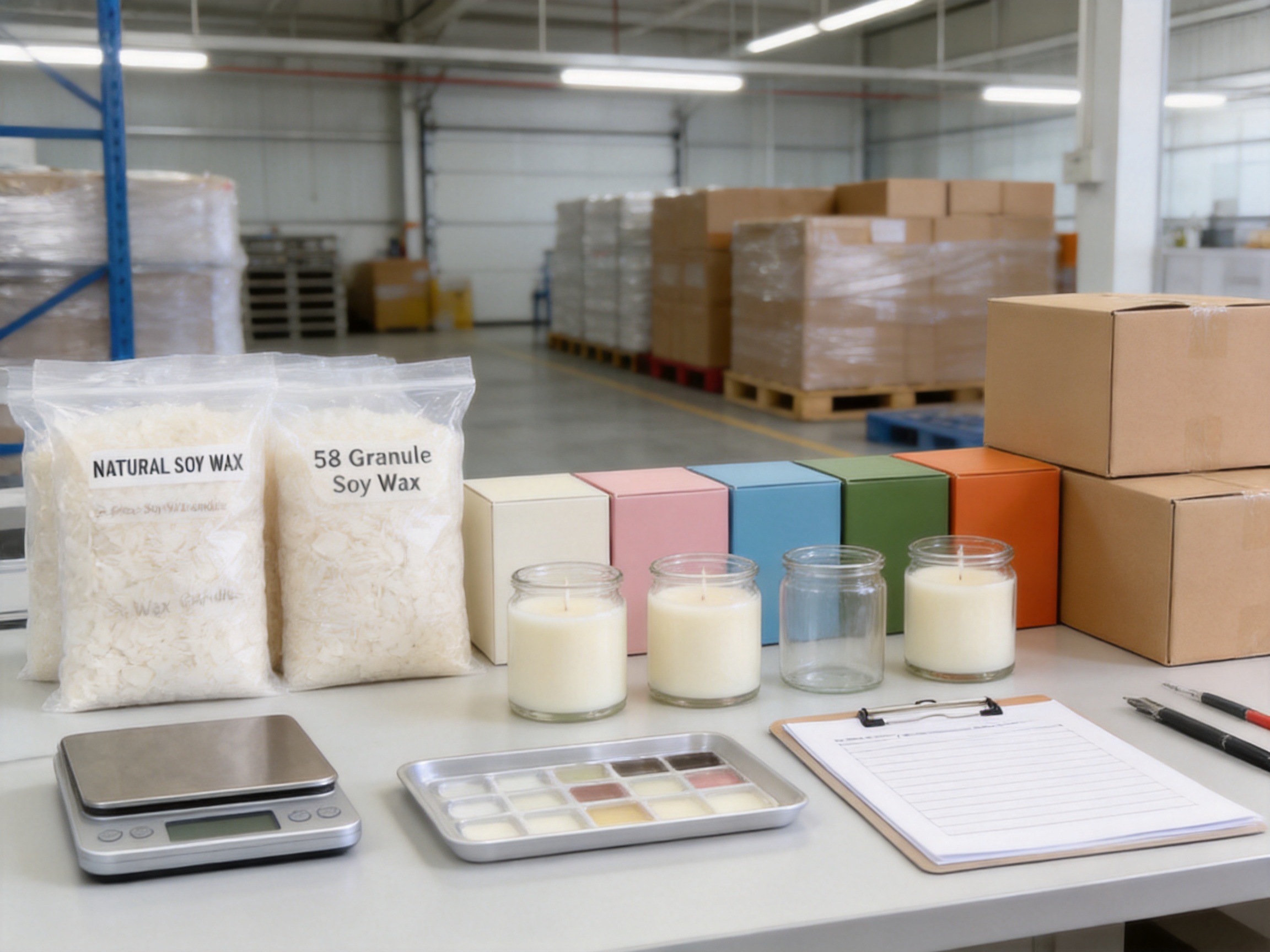
The first step is to decide what type of candle will be made. A container candle, pillar candle, taper candle, wax melt, decorative candle, jelly candle, or whipped-top dessert candle each requires a different wax strategy. Soy and coconut waxes are commonly selected for container candles. Beeswax works well for natural molded candles and tapers. Paraffin grades support structural and technical applications. Jelly wax and ice wax are chosen for visual effects. Soft decorating wax is used for surface details.
Wax selection should support brand positioning. A natural lifestyle brand may prefer soy or beeswax. A luxury home fragrance brand may choose coconut wax or a coconut-soy blend. A colorful decorative brand may rely on paraffin and specialty waxes. A craft education brand may use several wax types to teach material differences. The multi-type collection makes this decision more informed because buyers can compare options directly.
Fragrance and wick compatibility are essential. A wax that looks excellent without fragrance may behave differently after fragrance oil is added. The wick must be chosen according to wax type, candle diameter, fragrance load, dye, and container. Testing should include cold throw, hot throw, melt pool development, flame height, smoke behavior, and full-burn performance. This process is necessary for professional results and helps prevent customer dissatisfaction.
Different waxes cool differently. Soy wax may show natural frosting or surface variation. Coconut wax may require careful temperature control for a smooth finish. Paraffin may shrink and need process adjustment. Beeswax can develop its own natural surface characteristics. Cooling environment, pouring temperature, container temperature, and batch size all influence the final appearance. Clear application notes help users understand and control these variables.
A formula that works in a small test batch should be scaled carefully. Larger melting volumes, different equipment, and longer cooling times can change results. Professional buyers should document each test, including wax batch, melting temperature, fragrance percentage, dye amount, wick code, container size, pouring temperature, room temperature, and burn observations. This documentation turns candle making into a repeatable production process.
The product’s competitive strength can be summarized in five major areas: material diversity, practical handling, development efficiency, quality control, and supply chain integration. Material diversity allows users to explore the main wax categories in one coordinated system. Practical handling ensures that each wax type is supplied in a suitable form. Development efficiency helps buyers compare, prototype, and decide faster. Quality control supports consistency and reduces risk. Supply chain integration connects wax selection with finished candle development, packaging, and export service.
Compared with suppliers offering only one wax type, this product gives buyers broader creative and technical options. Compared with low-cost commodity suppliers, it offers better structure, clearer application support, and stronger service. Compared with suppliers focused only on finished candles, it gives candle makers access to the raw material foundation needed for experimentation and learning. Compared with fragmented sourcing from multiple vendors, it reduces coordination burden and improves development consistency.
For professional buyers, these advantages translate into practical results: fewer sourcing steps, faster sampling, better product education, stronger customization potential, and more reliable supply planning. For craft users, the advantages are hands-on learning and greater creative freedom. For brands, the advantages are differentiation and speed to market. For distributors, the advantages are broader customer appeal and more complete category coverage.
Wax raw materials should be stored in a clean, dry, and well-ventilated environment away from direct sunlight, excessive heat, moisture, and strong odors. Because wax can absorb surrounding smells or be affected by temperature, proper storage helps preserve quality. Packaging should remain sealed until use, and different wax types should be clearly separated to avoid confusion.
During melting, users should follow recommended temperature guidance for each wax type. Overheating can affect color, odor, and performance. Controlled heating is especially important for natural waxes and specialty waxes. Users should use suitable melting equipment, monitor temperature carefully, and avoid direct high heat when possible. Fragrance oil and dye should be added at appropriate temperatures according to wax type and supplier guidance.
Safety procedures are also important. Wax should never be left unattended while heating. Work areas should be organized and free from water contamination. Protective gloves and proper tools can reduce the risk of burns. Finished candles should be tested before sale or distribution to confirm stable burning behavior. These practices help users achieve professional and responsible candle production.
This multi-type wax collection is suitable for several buyer groups. Candle making studios can use it for classes, formula development, and product expansion. Craft retailers can sell it as a practical material range for DIY customers. Educational programs can use it to teach wax chemistry, melting behavior, and product design. New candle brands can use it for sampling and market testing. Established candle manufacturers can use it for research, development, and comparison across wax categories.
It is also suitable for wholesalers who want to build a stronger candle making supply category. Because the collection includes natural waxes, premium waxes, and technical waxes, it can serve customers with different needs. A single product range can support basic candle making, premium formulation, natural craft, decorative design, and technical molding. This broad usefulness makes it commercially efficient.
For buyers already purchasing finished candles, the wax collection can provide deeper insight into product construction. Understanding wax types helps buyers make better decisions about fragrance performance, candle appearance, price positioning, and packaging. It also improves communication with manufacturers because the buyer can specify material preferences more clearly.
The main purpose is to provide candle makers and buyers with a practical range of major wax materials used in modern candle production. It supports testing, learning, blending, and product development across container candles, pillar candles, tapers, decorative candles, jelly candles, and specialty wax effects.
Soy wax and coconut wax are commonly preferred for container candles. Soy wax offers easy handling and a plant-based identity, while coconut wax provides a creamy premium appearance. Some brands may also choose blends to improve surface finish, fragrance throw, or hardness.
White beeswax and yellow beeswax serve different design needs. White beeswax is useful when a lighter color or better dye control is desired. Yellow beeswax offers a warm natural appearance that suits traditional, handmade, and natural lifestyle candles.
Yes. Paraffin remains important for technical applications such as pillars, molded candles, decorative effects, vivid color designs, jelly candles, and textured candle styles. Natural waxes are popular, but paraffin provides performance characteristics that are difficult to replace in certain candle categories.
Yes. Many commercial candle formulas use blends to balance appearance, hardness, fragrance throw, burn behavior, and cost. Custom specification blends can be developed on request, allowing buyers to create wax systems that match their brand and application requirements.
It allows new brands to test multiple wax directions before committing to mass production. A brand can compare natural, premium, decorative, and technical candle styles, then choose the wax system that best fits its market positioning, packaging concept, and target price.
Buying from separate suppliers can create inconsistency in specifications, documentation, packaging, and communication. A coordinated multi-type wax collection simplifies sourcing, supports systematic testing, and helps buyers develop products faster with clearer material guidance.
Yes. Hangzhou Leo Home Trading Co., Ltd. supports OEM and ODM customization, including specifications, fragrance selection, labels, packaging, jars, and finished candle solutions. This allows buyers to move from raw material testing to complete product development within one service framework.
The company emphasizes strict QC from raw material selection to finished goods inspection. Its in-house lab capability, supply chain management, and inspection procedures support consistent quality, better sampling, and more reliable bulk delivery.
Ideal buyers include candle studios, craft retailers, wholesalers, educational programs, new candle brands, private label developers, and candle manufacturers that need a broad and practical wax material range for testing, training, production, or resale.
Multi-Type DIY Candle Wax — Soy, Beeswax, Coconut & Paraffin is a practical and commercially valuable material system for the modern candle industry. It brings together the essential wax categories used in container candles, pillars, tapers, decorative candles, specialty effects, and premium home fragrance products. By offering soy flake wax, white and yellow beeswax, coconut wax, paraffin grades, jelly wax, ice wax, and decorating soft wax, the collection gives users the freedom to compare, learn, blend, and develop with confidence.
Its advantages over ordinary wax purchasing are clear. It reduces sourcing complexity, supports faster product development, improves material education, and offers broader creative possibilities. Each wax type has a defined role, allowing users to match material behavior with candle category and brand positioning. This is especially valuable for wholesalers, craft retailers, studios, and new brands that need flexibility and reliable guidance.
The product is further strengthened by the capabilities of Hangzhou Leo Home Trading Co., Ltd. With a modern supply chain system, customization support, quality control process, in-house lab resources, factory integration, packaging partners, and export experience, the company can support buyers from raw material selection to finished candle development. Its ability to coordinate wax, fragrance, vessel, label, packaging, sampling, and shipment provides a practical advantage in competitive global markets.
For buyers seeking a dependable wax raw material range that combines educational value, production practicality, and commercial flexibility, this multi-type candle wax collection is a strong choice. It supports both creativity and consistency, helping candle makers transform material knowledge into better products, stronger brands, and more efficient supply chains.
ASTM International. Standard Guide for Candle Fire Safety and Candle Performance Testing.
National Candle Association. Candle Manufacturing, Wax Types, and Candle Safety Educational Materials.
European Candle Manufacturers Association. Quality Guidance for Candles, Raw Materials, and Safe Use.
Oppenheimer, P. The Candlemaker’s Companion: Practical Methods for Wax Selection, Wicking, Fragrance, and Pouring.
Freund, M. Natural and Synthetic Waxes: Chemistry, Properties, and Industrial Applications.
Industry Technical Notes on Soy Wax, Beeswax, Coconut Wax, Paraffin Wax, Gel Wax, and Specialty Decorative Candle Materials.

Room 1701, Building C1, Wangjing, Xiaoshan District, Hangzhou City, Zhejiang Province, China.

+86-15937257616

Copyright© 2026 Hangzhou Leo Home Trading Co., Ltd. All Rights Reserved.

Luxury Candles Home Fragrance Manufacturers Modern Candles Factory