 English
 Français
News
Home / Author / Sophia Lin — Product Sales Executive / Ceramic Minimalist Hollow Incense Burner Holder: A Complete Guide to Design, Function, Quality, and Custom Supply
Content
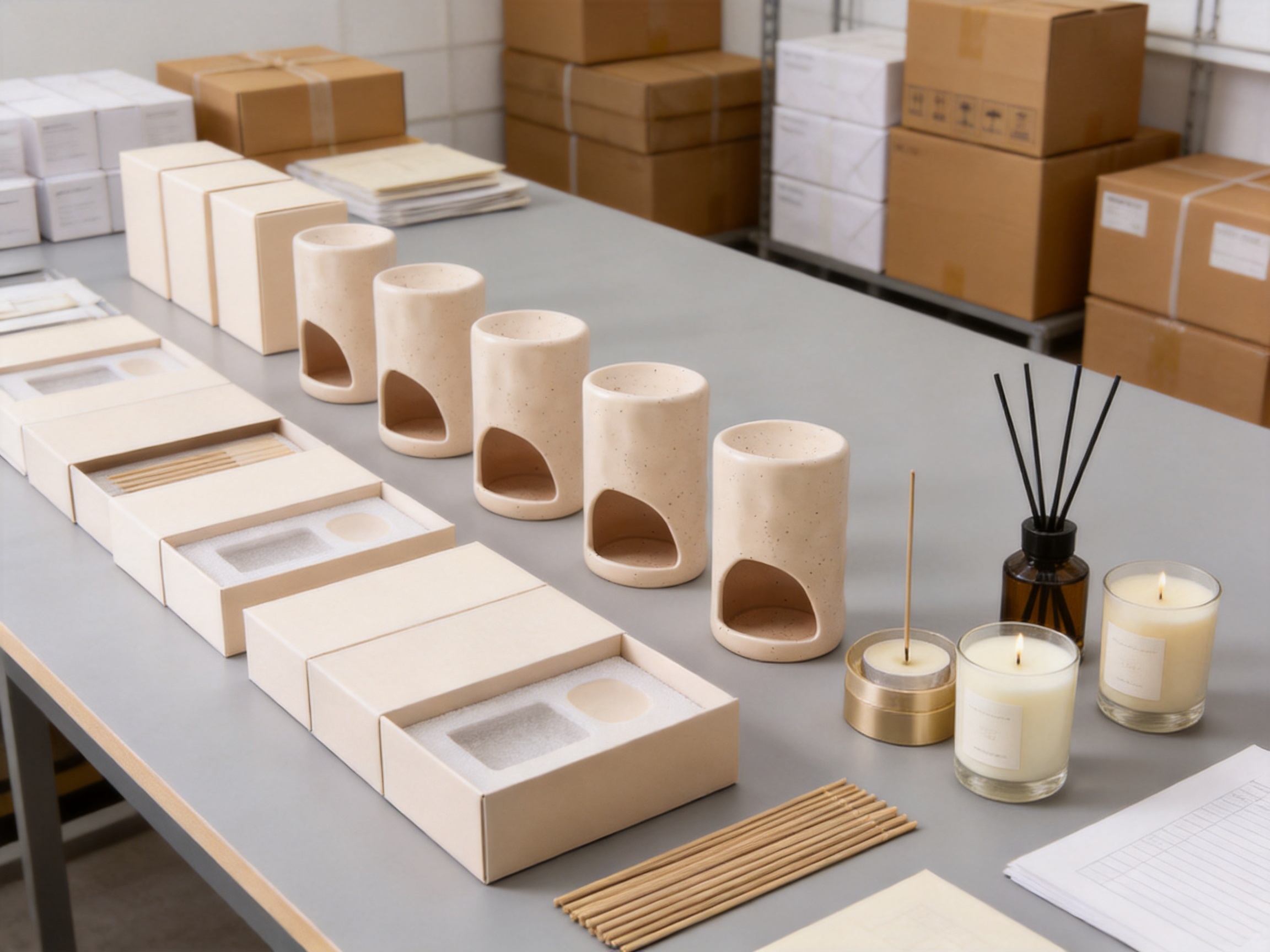
Home fragrance is no longer limited to candles and electric diffusers. Incense has become an important part of modern relaxation, meditation, interior styling, and daily aromatherapy routines. As consumers look for products that combine sensory pleasure with visual simplicity, the incense holder has developed from a basic utility item into a meaningful decorative accessory. The Ceramic Minimalist Hollow Incense Burner Holder responds to this demand with a compact architectural form, neutral ceramic finish, stable construction, and a design that fits naturally into contemporary homes.
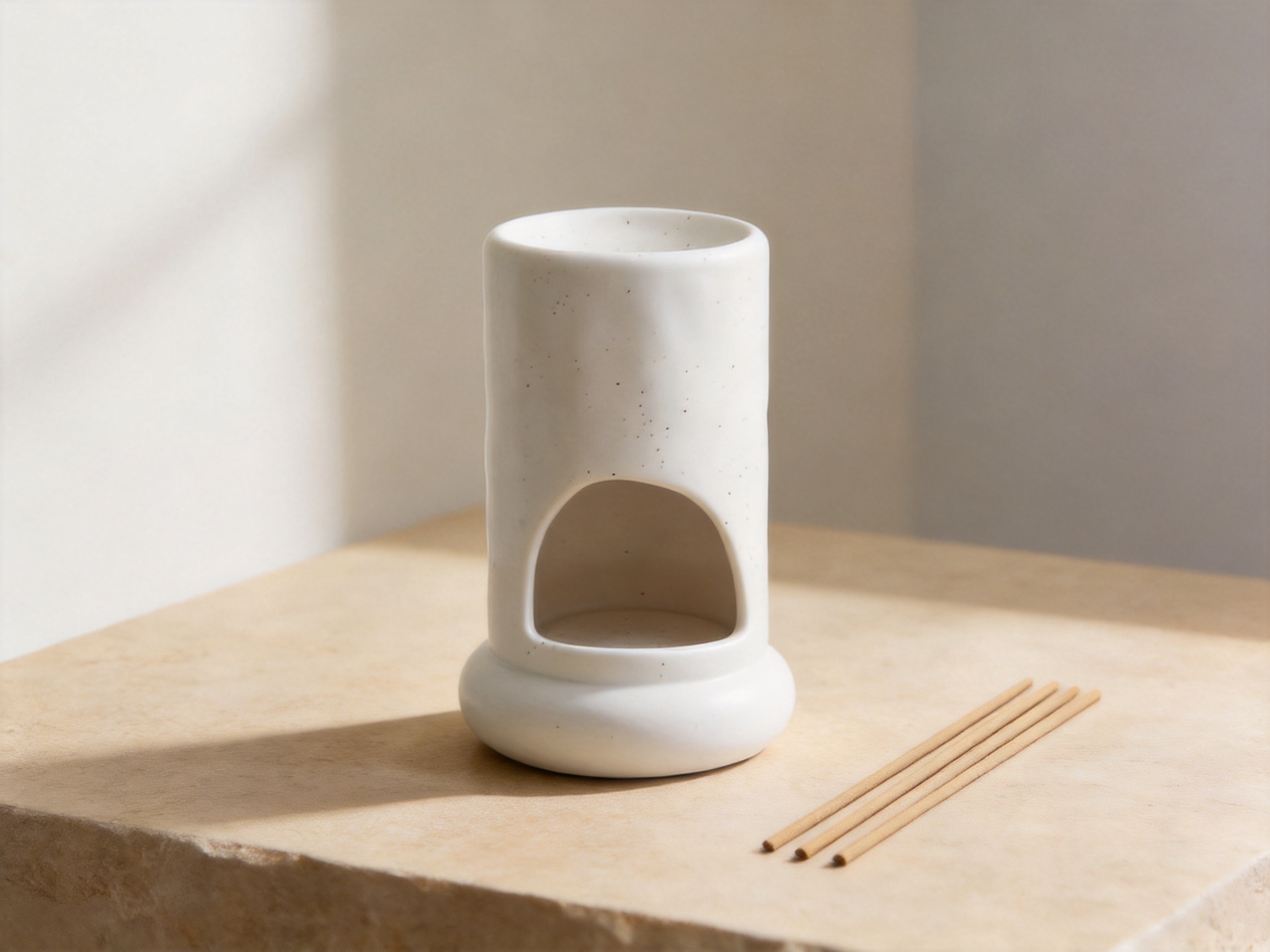
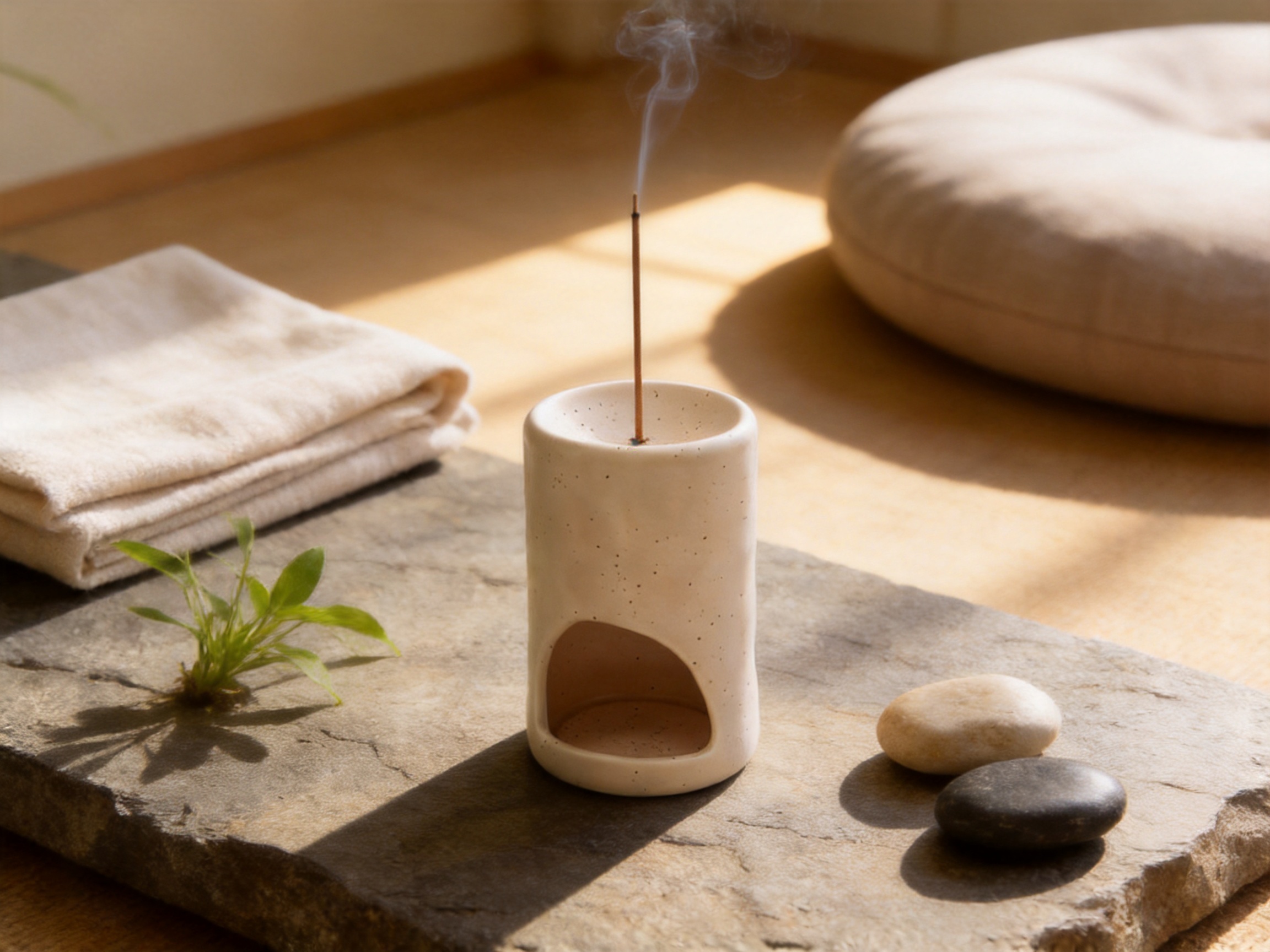
This incense burner holder is designed around a simple cylindrical silhouette with a hollow arch opening near the base. The shape is visually quiet but functionally purposeful. It provides a dedicated area for incense use, supports ventilation, helps contain ash, and creates an attractive focal point without overwhelming the surrounding décor. Its matte appearance and subtle speckled texture give the holder an understated handcrafted character, while its smooth glazed ceramic surface supports easier cleaning and dependable everyday use.
For retailers, importers, hospitality businesses, gift companies, and private-label buyers, the product offers more than an attractive consumer item. It represents an adaptable home fragrance accessory that can be positioned in meditation collections, wellness ranges, seasonal gift sets, bedroom accessories, spa supplies, or contemporary home décor lines. With customization support, logo printing, bulk packaging, and cross-border export capability, the product is suitable for both established brands and businesses testing new fragrance categories.
The Ceramic Minimalist Hollow Incense Burner Holder is a compact ceramic vessel created for the controlled burning of incense. Its primary form is a straight, cylindrical burner with a gently proportioned body. Rather than relying on heavy ornamentation, the design uses volume, negative space, texture, and neutral color to achieve its visual appeal.
The hollow arch opening at the lower portion of the holder is one of its most distinctive features. It introduces a small area of negative space that softens the solid cylindrical profile. The opening also gives the product a more accessible structure, making it easier to position incense and allowing air to circulate during use. In a display setting, the arch adds a recognizable design detail that helps the product stand out from completely enclosed or purely flat incense holders.
The holder is suitable for desks, meditation corners, bedside tables, shelves, entryway consoles, and other small interior areas. Its neutral aesthetic allows it to work with minimalist, Scandinavian, Japanese-inspired, rustic, European, and contemporary interiors. The design can also be paired with incense sticks, fragrance cones, aroma accessories, small candles, and gift packaging to create a complete home fragrance presentation.
The product information identifies the material as white porcelain and the craftsmanship as glazed ceramic. In practical terms, this indicates a fired ceramic body with a finished surface designed to provide a smooth appearance and improved resistance to ordinary heat and handling. The product listing also describes the finish as matte with a subtle speckled texture. Depending on the production batch, the visual result may combine the refined appearance of glazed porcelain with a soft, low-gloss surface.
| Product Attribute | Specification or Description |
| Product Name | Ceramic Minimalist Hollow Incense Burner Holder |
| Product Category | Incense Burner |
| Primary Material | White porcelain or ceramic body |
| Surface Craft | Glazed finish with subtle speckled texture |
| Design | Straight cylindrical aromatherapy burner with hollow arch opening |
| Product Number | DF2880 |
| Customization | Customized processing available |
| Logo Printing | Available according to project requirements |
| Packaging | Bulk packaging listed; retail packaging can be discussed for custom projects |
| Listed Dimensions | Approximately 7.8 cm in length, 7.8 cm in width, and 12.5 cm in height |
| Listed Weight | Approximately 385 g |
| Listed Volume | Approximately 760.5 cm³ |
| Application | Incense, aromatherapy, meditation, relaxation, interior decoration, and gifting |
The product description also refers to approximate measurements of 11.5 cm in height and 6.8 cm in diameter. The technical table lists 12.5 cm in height and 7.8 cm in length and width. This type of difference may result from measurement methods, product variations, or different versions of the same design. Buyers should confirm the final production dimensions, tolerance, packaging size, and carton measurements before placing a commercial order.
The home fragrance market includes a wide range of incense accessories, from simple metal trays and wooden boards to sculptural ceramic objects. The Ceramic Minimalist Hollow Incense Burner Holder competes effectively because it balances several attributes that are often separated in competing products: decorative appeal, physical stability, compact scale, clean styling, and customization potential.
Flat incense trays are easy to manufacture and often inexpensive, but they may appear visually incomplete when displayed in a modern room. They can also allow ash to spread beyond the edges if the tray is too shallow or narrow. By contrast, the cylindrical ceramic body of this holder creates a more substantial visual object. It can remain on a shelf or table as a decorative accessory even when no incense is burning.
The vertical profile gives the product a stronger presence without requiring excessive size. This makes it suitable for product photography, gift presentation, and retail displays where shape is an important selling point. The holder can be photographed individually, grouped with incense sticks, or incorporated into a broader collection of ceramic home fragrance products.
Incense accessories must remain steady during use. A holder that is too light may shift when incense is inserted or removed, while a thin tray may be easily moved by accidental contact. The listed product weight of approximately 385 grams gives the holder a substantial base for its compact dimensions. The fired ceramic construction also provides a solid feel that communicates quality to the end user.
Stability is especially important in meditation areas, hospitality environments, bedrooms, and retail gift sets. A heavier ceramic body is less likely to slide across a smooth surface than a lightweight plastic or thin metal alternative. The cylindrical proportions distribute the weight around the central body, supporting a balanced appearance and practical placement.
The hollow arch is both a design signature and a functional detail. Many basic incense holders consist of a flat plate with a small hole. This product uses negative space to create a more sculptural profile. The arch breaks up the visual mass of the cylinder and gives the object a softer, more approachable appearance.
From a merchandising perspective, recognizable details are valuable. A product with a clear design feature is easier to remember, describe, photograph, and include in themed collections. The arch can be highlighted in product names, packaging graphics, catalog copy, and online listings. It also offers an opportunity for color contrast or branding in customized versions, depending on the selected production method.
Brightly colored or heavily decorated incense holders may appeal to specific audiences but can be difficult to integrate into different retail collections. The neutral ceramic appearance of this model provides greater flexibility. It can be positioned as a wellness product, a minimalist décor item, a meditation accessory, or a small business gift.
The understated finish is especially suitable for consumers who prefer natural materials and calm interiors. It can be paired with beige, gray, brown, terracotta, black, white, or muted green packaging. This broad compatibility can help retailers use the same basic product in multiple collections rather than limiting it to one narrow visual theme.
Ceramic is a natural choice for an incense burner because it combines visual refinement with useful physical properties. Once formed and fired, ceramic develops a hard body that is resistant to ordinary handling. It does not absorb fragrance in the same way as some untreated porous materials, particularly when covered by a finished glaze. Its surface can also be wiped after ash accumulation.
The listed material is white porcelain, while the product description refers to ceramic construction. Porcelain is a refined ceramic material known for its dense body, smooth surface, and clean visual appearance. The final performance depends on the exact clay formulation, firing temperature, wall thickness, glaze composition, and production controls. For wholesale projects, buyers should request a product sample and confirm the exact material specification in the purchase documentation.
The glazed finish contributes to the product’s appearance and maintenance characteristics. A properly applied glaze can create an even surface that is easier to clean than unfinished ceramic. It may also help protect the body from marks caused by ordinary contact, although no ceramic surface should be assumed to be completely stain-proof or impact-proof.
The product is described as having a smooth matte finish with subtle speckling. This type of surface is valuable because it avoids the overly reflective appearance associated with high-gloss ceramics while still providing a finished, refined look. The speckled effect can add gentle variation and make the object feel more artisanal. At the same time, the restrained pattern keeps the holder appropriate for modern interiors and commercial collections.
Ceramic production involves several stages, including body preparation, forming, drying, glazing, firing, inspection, and packing. Small differences in color, speckle distribution, gloss level, and dimensions may occur between batches. These variations are not necessarily defects; they can be part of the character of a ceramic product. However, wholesale buyers should define acceptable tolerances if strict visual uniformity is required.
Quality control should examine the surface for pinholes, glaze crawling, cracks, uneven firing, sharp edges, unstable bases, and visible deformation. The opening should be cleanly formed, and the holder should sit level on a flat surface. Retail customers generally judge ceramic products closely, so appearance and finishing quality have a direct effect on perceived value.
The holder is designed to support incense use while helping maintain a cleaner surrounding area. The body creates a defined zone for ash collection, reducing the chance that loose ash will fall directly onto a tabletop. The product’s weight helps keep it stable during insertion and removal of incense.
The hollow structure also supports ventilation. Air movement is important for maintaining a steady ember, although actual burning behavior depends on the incense formulation, stick thickness, airflow, humidity, and placement. The product should be used on a level, heat-resistant surface and positioned away from curtains, paper, fabrics, children, pets, and other flammable materials.
A ceramic incense holder is not a substitute for safe use practices. Users should never leave burning incense unattended. The incense should be fully extinguished after use, and accumulated ash should be allowed to cool before cleaning. If a buyer plans to sell the holder with incense products, the retail packaging should include suitable safety instructions appropriate to the destination market.
Ash management is one of the most important practical functions of an incense accessory. The holder’s enclosed cylindrical form and base structure provide more containment than a narrow stick holder placed directly on a shelf. This can make the product more convenient for bedrooms, workspaces, meditation areas, and small decorative surfaces.
Nevertheless, the degree of ash containment depends on the incense format and the position of the burning stick. Some incense may produce ash that extends beyond the central area. Retailers should communicate that the product helps contain ash but does not eliminate the need for regular cleaning or supervision.
The finished ceramic surface can generally be cleaned with a soft, dry cloth or a slightly damp cloth once the holder is completely cool. Loose ash should be removed carefully to prevent unnecessary scratching. Harsh abrasives, metal tools, and sudden temperature changes should be avoided because they may damage the surface or create stress in the ceramic body.
For hospitality or commercial applications, cleaning procedures can be included in staff instructions. The holder’s neutral finish is advantageous in such settings because it can be refreshed quickly between uses without requiring complicated maintenance.
The product’s design supports multiple use scenarios. Its clean geometry is compatible with modern homes, while the ceramic material gives it enough warmth for natural and traditional settings. This flexibility increases its appeal to retailers serving different customer groups.
Minimalist interiors value simple forms, limited color palettes, and objects that serve a clear purpose. The holder’s cylindrical shape and low-contrast finish fit naturally into this environment. It can be placed beside a small plant, a neutral candle, or a stack of books without creating visual clutter.
Scandinavian-style spaces often combine light surfaces, natural textures, and functional objects. The white porcelain or pale ceramic appearance can coordinate with wood, linen, wool, and soft neutral colors. Retailers can present the holder in a calm, uncluttered lifestyle image to reinforce this positioning.
Incense is frequently associated with meditation, breathwork, yoga, relaxation, and personal rituals. The holder can serve as a small anchor object within these routines. Its stable base and quiet appearance support a focused environment rather than drawing attention through elaborate decoration.
Wellness retailers may package the product with incense sticks, essential oil accessories, journals, tea products, or relaxation gifts. The product can also be used in introductory meditation kits, provided that the included instructions clearly explain safe incense handling.
The compact footprint makes the holder appropriate for bedside tables and small shelves. Its vertical form uses limited surface area while still creating a visible decorative statement. However, because burning incense requires supervision, the product should only be used in a safe location with adequate clearance from bedding, curtains, and other combustible materials.
Spas, boutique hotels, wellness studios, salons, and retail stores may use the holder as part of a fragrance presentation. The ceramic material communicates a higher-quality impression than disposable or lightweight alternatives. Multiple holders can be coordinated across reception desks, treatment rooms, display shelves, and guest areas.
For commercial users, consistency is important. Buyers should establish a sample approval process, confirm dimensions and finish requirements, and determine whether the holder will be shipped in protective inner packaging. Ceramic products need appropriate cushioning and carton testing, especially when transported across international supply chains.
The product is supplied through a company that specializes in international trading, sourcing, customization, and cross-border supply chain services. This distinction is important. The company’s strength lies in coordinating product development, manufacturing partners, quality control, packaging, and export delivery rather than presenting itself solely as a single-product factory.
According to the supplied company information, the business works with a network that includes 10 candle factories, 8 jar customization partners, and 8 color box factories. This network can support coordinated product programs in which the incense burner is sold alongside candles, jars, gift boxes, or other home fragrance items. A broader supplier network may also help buyers compare production options, manage capacity, and develop collections more efficiently.
Customization begins with a clear product brief. Buyers may provide drawings, reference samples, target dimensions, color standards, logo artwork, packaging concepts, or market requirements. The supplier can then help evaluate feasibility, refine specifications, and coordinate sample development.
For a ceramic incense holder, the development stage should address wall thickness, opening size, base stability, surface finish, logo placement, incense compatibility, color, weight, and packaging protection. A pre-production sample is particularly important because ceramic shapes may change slightly during drying and firing.
Consistent ceramic quality starts with the body material. The clay or porcelain mixture should be prepared to achieve a stable forming behavior and a suitable fired result. Contaminants, excess moisture, inconsistent particle distribution, or poor mixing can lead to defects later in production.
For commercial production, suppliers should monitor the condition of the body material, the forming process, and the drying environment. Even when a product has a simple shape, controlled preparation is necessary to reduce warping, cracking, and dimensional variation.
The cylindrical body and hollow arch require accurate forming. The opening must be shaped cleanly, with sufficient structural support around the edges. During drying, moisture leaves the ceramic body and the piece naturally contracts. Uneven drying can create distortion or stress, so controlled conditions are important.
Inspection at this stage can identify visible cracks, deformation, thin areas, rough edges, and incomplete openings before glazing and firing. Early inspection is efficient because defective pieces can be removed before additional processing costs are incurred.
Glazing affects color, texture, cleanability, and the final visual character. A matte speckled effect must be applied consistently enough to meet the approved sample while retaining the intended natural appearance. The glaze should cover the appropriate surfaces without excessive pooling or bare patches.
Firing transforms the formed body into a hardened ceramic product. Firing temperature, kiln atmosphere, loading arrangement, and cycle control can affect the final result. Uneven firing may cause discoloration, warping, cracks, or differences in surface finish. A reliable manufacturing process therefore depends on controlled kiln operation and inspection after firing.
Quality assurance should cover both appearance and function. A practical inspection checklist may include:
1. Verification of product dimensions and weight against the approved specification.
2. Confirmation that the holder sits level and does not wobble on a flat surface.
3. Examination of the ceramic body for cracks, chips, sharp edges, and deformation.
4. Examination of the glaze for pinholes, uneven coverage, unwanted marks, and significant color variation.
5. Inspection of the hollow arch for clean shaping and unobstructed access.
6. Review of logo printing, if included in the order.
7. Verification of quantity, inner packing, carton labels, and shipping marks.
8. Sample testing of packaging resistance where international shipment is required.
A product is only commercially successful when design quality is supported by dependable sourcing and delivery. The supplied company profile describes several capabilities that are relevant to buyers of the Ceramic Minimalist Hollow Incense Burner Holder.
The company supports customized processing, including development based on drawings or samples. This can help buyers create a version suited to their own brand language. Possible areas of customization may include color, surface treatment, dimensions, logo application, packaging, gift-box design, and product combinations.
Customization is especially useful when the holder is intended to form part of a larger fragrance collection. A buyer may request matching candle jars, packaging colors, scent themes, or coordinated accessories. Instead of sourcing every component independently, the buyer can work through one supply chain contact for improved project coordination.
The company’s focus on scented candles, LED candles, candle components, reed diffusers, diffuser products, and scented sets creates a natural commercial connection with incense accessories. Retailers can build a broader home fragrance assortment rather than listing the holder as an isolated product.
For example, a seasonal collection could include a ceramic incense holder, a scented candle, a reed diffuser, and a gift box using the same color palette. This approach can increase average order value and give retailers more opportunities for cross-selling.
The company information references an in-house laboratory and quality control across key stages from materials to finished goods. For buyers, this suggests a structured approach to product review rather than relying only on final visual inspection.
Quality assurance should be aligned with the buyer’s specifications. A clear approval process can define the reference sample, acceptable tolerances, packaging requirements, logo standards, and inspection procedure. This is particularly important for ceramic products, where natural variation must be distinguished from unacceptable defects.
The company describes support for both bulk delivery and smaller trial runs. This can benefit businesses that want to evaluate market response before committing to a large order. A trial run allows the buyer to assess customer feedback, shipping performance, breakage rates, and the effectiveness of product photography and packaging.
Once the product demonstrates demand, the buyer can move toward larger production quantities and a more developed private collection. Trial ordering can also help identify whether the product should be positioned as a standalone incense accessory or as part of a gift set.
The company reports experience serving customers in more than 10 countries and regions, with export activity focused on markets including Europe and North America. Its location in Hangzhou and logistics access near Ningbo Port can support international shipping coordination.
International buyers should still confirm current lead times, trade terms, carton dimensions, loading quantities, shipping documentation, destination requirements, and breakage policies. Ceramic products require careful export planning because freight costs and protective packaging can significantly affect landed cost.
The product information identifies logo printing and customized processing as available, while the listed private-label status is marked as unavailable. This means buyers should discuss the exact scope of branding directly with the supplier. Logo printing may be possible even if a fully licensable private-label program is not included as a standard option.
For a private-label project, the buyer may need to provide:
1. Brand name and logo artwork in a suitable file format.
2. Preferred logo position and maximum print area.
3. Color references or surface treatment requirements.
4. Packaging artwork and language requirements.
5. Target market and regulatory expectations.
6. Required barcode, carton mark, and product identification information.
7. Target order quantity and desired delivery schedule.
The holder is also identified as suitable for business gifts and promotional gifts. Its compact size and decorative value make it suitable for conferences, wellness events, customer appreciation programs, seasonal campaigns, points redemption programs, and employee gifts. A custom logo on the packaging or product can turn a functional home fragrance accessory into a lasting brand reminder.
Ceramic products require more protective packaging than textiles, plastic accessories, or lightweight metal goods. The packaging should prevent movement, impact, compression, and contact between individual pieces. Buyers should request packaging samples or photographs before approving mass production.
A suitable packaging structure may include an individual protective sleeve, molded insert, foam support, corrugated divider, or carefully fitted inner box. The exact solution depends on the product shape, shipping method, order quantity, and retail presentation requirements.
For retail sales, packaging should communicate the product’s purpose and design qualities. A simple box with product identification, material information, care guidance, and safety instructions can support customer confidence. For gift programs, the packaging may be upgraded with a color box, sleeve, ribbon, insert card, or coordinated fragrance accessory.
Carton testing is recommended when the holder will travel through international freight channels. Buyers should examine whether the packed units can withstand vibration, stacking, handling, and changes in transport conditions. The packaging should also be designed to minimize unnecessary empty space while preserving adequate protection.
| Competitor Type | Common Strength | Potential Limitation | Competitive Position of This Holder |
| Flat metal incense tray | Low cost and simple construction | May look utilitarian and provide limited vertical containment | Offers a more substantial ceramic form and stronger decorative appeal |
| Wooden incense board | Natural appearance and lightweight handling | May be affected by heat, ash, staining, or surface wear | Provides a fired ceramic body with a refined finished surface |
| Small plastic holder | Low weight and economical shipping | May communicate lower perceived value and less premium styling | Uses ceramic weight, texture, and form to support a higher-quality impression |
| Highly decorative figurative holder | Strong visual novelty | May suit only specific décor styles and customer groups | Uses neutral minimalist styling for broader market compatibility |
| Basic stick-hole accessory | Compact and inexpensive | Limited ash containment and weak display presence | Combines a dedicated incense function with a sculptural cylindrical body |
| Large ornamental burner | High visual impact | Requires more display space and may be less suitable for small homes | Provides a compact alternative for desks, shelves, and bedside areas |
This comparison does not mean that the ceramic holder is appropriate for every user. Customers seeking the lowest possible unit price may prefer a simpler material. However, the product is well positioned for buyers who value design, perceived quality, neutral styling, and the ability to create a more complete home fragrance presentation.
The product can be marketed through several content angles. One approach is functional: the holder provides a stable, dedicated place for incense and helps organize ash. Another is aesthetic: the holder acts as a small sculptural object that improves a room even when unused. A third is lifestyle-oriented: it supports meditation, relaxation, aromatherapy, and personal rituals.
Online product photography should show multiple views, including the front profile, hollow arch, top opening, base, surface texture, and approximate scale beside common home objects. Lifestyle images can place the holder on a desk, shelf, meditation mat, bedside table, or neutral stone surface. The four product images supplied for this item can support a gallery that communicates shape and finish from different angles.
Product descriptions should avoid overstating safety or performance. It is better to say that the ceramic body helps provide stability and a defined ash area than to claim that the holder is completely fireproof or ash-proof. Clear, accurate copy builds consumer trust and reduces the risk of misuse.
Suggested merchandising themes include:
1. Modern meditation accessories.
2. Minimalist home fragrance.
3. Ceramic décor for calm interiors.
4. Wellness and self-care gifts.
5. Desk and bedside aromatherapy accessories.
6. Neutral-toned seasonal collections.
7. Spa and boutique hospitality supplies.
8. Corporate and conference gift programs.
The product can be sold individually or bundled with incense sticks. A bundle may be more attractive to first-time users because it provides a complete starting experience. Retailers should ensure that any included incense is compatible with the holder and that the combined packaging remains stable during shipping.

Ceramic Minimalist Hollow Incense Burner Holder
Durability is an important part of sustainable product value. A ceramic holder that remains attractive and functional over an extended period may be more valuable to consumers than a disposable accessory that must be replaced frequently. The neutral design also reduces the likelihood that the product will quickly become visually outdated.
Because ceramic is heavy and fragile compared with plastic, transport efficiency and packaging design require attention. The overall environmental impact should be evaluated across material sourcing, manufacturing, packaging, shipping, use, and end-of-life handling. Buyers seeking sustainability claims should request specific information rather than making broad unsupported statements.
The product may be suitable for long-term use when handled carefully. Its surface can be cleaned, and its form is not tied to a short seasonal trend. Retailers can emphasize longevity, reusability, and multi-purpose decorative value while providing practical care guidance.
Wholesale and private-label buyers should evaluate the product through a structured process. First, review the physical sample for appearance, stability, finish, weight, and overall proportions. Second, test the product with the intended incense format under controlled and supervised conditions. Third, review packaging performance and shipping protection. Fourth, confirm the commercial specifications and documentation.
The sample should be inspected in natural and indoor light. Buyers should look for color consistency, speckle distribution, surface smoothness, arch quality, base flatness, and any sharp or unfinished edges. The buyer should also compare the sample with product photographs because screen images may not accurately represent the actual color or texture.
Use the intended incense stick or incense format and observe whether it can be placed securely. Check the position of ash, the stability of the holder, and the ease of cleaning after the product has cooled. The test should be performed on a heat-resistant, nonflammable surface and under continuous supervision.
Confirm the minimum order quantity, unit price, sampling fee, production lead time, packaging method, logo cost, payment terms, shipping terms, carton quantity, gross weight, and export documents. If the product will be sold in a regulated market, confirm the buyer’s responsibilities for labeling, safety instructions, and consumer information.
For larger orders, buyers may use a defined inspection standard covering acceptable quality limits, dimensional tolerances, surface defects, quantity, packaging, and labeling. The inspection criteria should be agreed before production rather than after goods are completed.
The holder is designed to provide a stable and decorative place for burning incense. Its cylindrical body helps define the burning area and supports ash management, while the hollow arch opening contributes to ventilation and visual appeal.
The product information identifies the material as white porcelain and describes the construction as glazed ceramic. Buyers should confirm the final material specification for the selected production batch or customized version.
The product description presents the surface as smooth and matte with a subtle speckled texture. Exact gloss level and speckle appearance may vary slightly between production batches and should be confirmed through a physical sample.
The technical table lists approximately 7.8 cm in length, 7.8 cm in width, and 12.5 cm in height. The general description also refers to approximately 11.5 cm in height and 6.8 cm in diameter. Because these figures differ, buyers should confirm the final approved dimensions before ordering.
The listed weight is approximately 385 grams. This gives the holder a substantial feel for its size and supports stability on a level surface. Actual stability also depends on the surface, incense position, and product tolerance.
Customized processing and logo printing are listed as available. Possible options may include logo application, color, finish, packaging, and product combinations. The exact options, minimum quantities, costs, and artwork requirements should be confirmed with the supplier.
The product information states that a licensable private-label option is not available, while customized processing and logo printing are available. Buyers should discuss the difference directly with the supplier and confirm what branding services can be provided for their project.
Yes. The product is suitable for wellness gifts, business gifts, promotional programs, conference gifts, festival collections, and home fragrance sets. It can be bundled with incense, candles, reed diffusers, or other relaxation accessories.
It should be used only with an incense format that fits securely and is appropriate for the holder’s opening. Users should follow the incense manufacturer’s instructions, place the holder on a stable heat-resistant surface, and never leave burning incense unattended.
Allow the holder to cool completely before cleaning. Remove loose ash carefully and wipe the surface with a soft cloth. Avoid abrasive tools, harsh cleaners, and sudden temperature changes that could damage the ceramic or glaze.
No holder can guarantee complete ash containment under every condition. This design creates a defined area that can help manage ash, but airflow, incense type, burning position, and ash volume will affect performance.
The supplier supports cross-border export and serves customers in multiple international markets. Buyers should confirm current shipping terms, protective packaging, carton specifications, lead times, and destination-market requirements before placing an order.
Important checks include dimensions, weight, base stability, cracks, chips, glaze defects, sharp edges, arch formation, color consistency, logo quality, quantity, and packaging protection. A pre-production sample and agreed inspection standard are recommended.
It may be suitable for spas, studios, boutiques, hotels, salons, and wellness environments. Commercial users should establish clear cleaning, supervision, placement, and fire-safety procedures before using burning incense in public or shared areas.
This design offers a stronger decorative presence, a more substantial ceramic body, a distinctive hollow arch, and broader compatibility with contemporary interiors. It is positioned as both a functional fragrance accessory and a small piece of décor.
When preparing an online or printed product listing, buyers should present the product in clear, accurate language. A concise specification can identify the material, finish, dimensions, product number, intended use, packaging, and customization options. The listing should also include safety guidance and avoid claims that cannot be verified.
| Listing Section | Recommended Information |
| Product Title | Ceramic Minimalist Hollow Incense Burner Holder |
| Material | White porcelain or glazed ceramic, subject to final specification |
| Design Description | Cylindrical body with hollow arch opening and subtle speckled matte texture |
| Use | Incense burning, meditation, aromatherapy, relaxation, and décor |
| Approximate Weight | 385 g, subject to production tolerance |
| Dimensions | Confirm final approved dimensions before publication |
| Customization | Logo printing and customized processing may be available |
| Packaging | Bulk packaging listed; retail packaging available for discussion |
| Care | Cool completely before cleaning; wipe gently and avoid abrasive materials |
| Safety | Use on a heat-resistant surface and never leave burning incense unattended |
The Ceramic Minimalist Hollow Incense Burner Holder combines the practical requirements of an incense accessory with the visual qualities of contemporary ceramic décor. Its cylindrical silhouette provides a stable and substantial form, while the hollow arch creates a distinctive design identity and supports accessibility and ventilation. The glazed, subtly speckled finish gives the product a calm and refined appearance suitable for a wide range of interiors.
Compared with basic trays, lightweight plastic accessories, and highly specialized decorative burners, the product offers a balanced position between function, stability, aesthetics, and market flexibility. It can be used in homes, meditation spaces, spas, boutiques, hospitality environments, gift programs, and home fragrance collections. Its neutral appearance also makes it easier for retailers to combine with different colors, scents, packaging styles, and seasonal themes.
The supply partner adds value through customization coordination, home fragrance sourcing, quality assurance support, partner-factory integration, flexible order development, and international logistics experience. Buyers can use these capabilities to develop a standalone incense product or a coordinated collection that includes candles, diffusers, gift sets, and related accessories.
For the best commercial outcome, buyers should confirm the final dimensions, material description, finish, packaging, branding options, order quantities, safety information, and inspection criteria before production. With those details properly defined, this ceramic incense holder can serve as a reliable and visually appealing addition to modern home fragrance and wellness product lines.
1. Product specification and technical information supplied for the Ceramic Minimalist Hollow Incense Burner Holder, product number DF2880.
2. Company profile and capability information supplied by Hangzhou Leo Home Trading Co., Ltd.
3. General ceramic manufacturing and quality inspection principles for formed, glazed, and fired ceramic products.
4. General consumer guidance for the safe use of incense and other flame-producing home fragrance products.
5. General principles of retail product development, private-label coordination, protective packaging, and international home fragrance supply.

Room 1701, Building C1, Wangjing, Xiaoshan District, Hangzhou City, Zhejiang Province, China.

+86-15937257616

Copyright© 2026 Hangzhou Leo Home Trading Co., Ltd. All Rights Reserved.

Luxury Candles Home Fragrance Manufacturers Modern Candles Factory