 English
 Français
News
Home / Author / Marina Zhao — Senior Product Sales Manager / Matte Textured Wooden-Wick Ceramic Jar Candle for Refined Everyday Ambience
Content
In the modern home fragrance market, a candle is no longer judged only by whether it releases a pleasant scent. Buyers, distributors, retailers, interior stylists, and end consumers increasingly evaluate the full experience: vessel texture, flame behavior, packaging suitability, room compatibility, safety design, customization potential, and long-term decorative value. The matte textured wooden-wick ceramic jar candle responds to these expectations with a balanced combination of visual softness, sensory warmth, stable structure, and practical reusability.
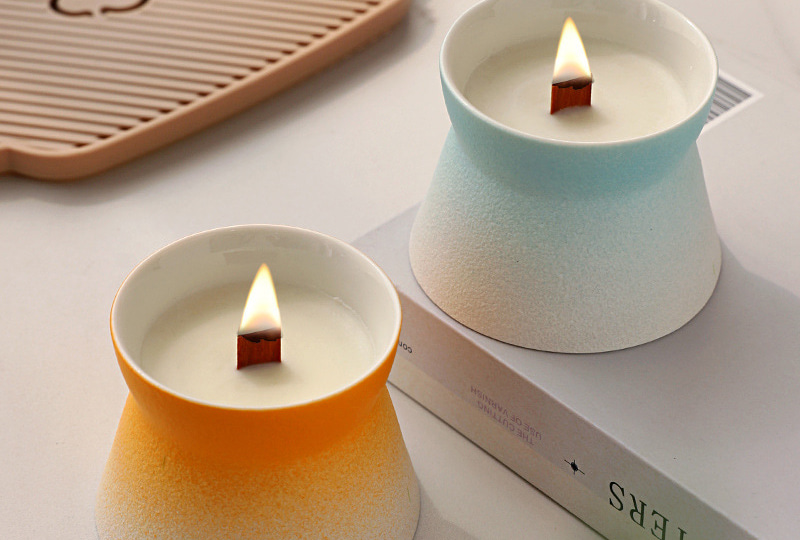
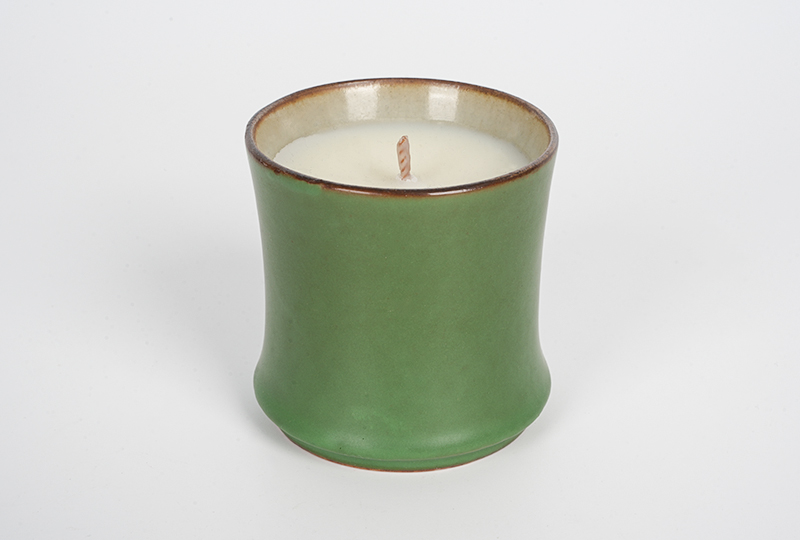
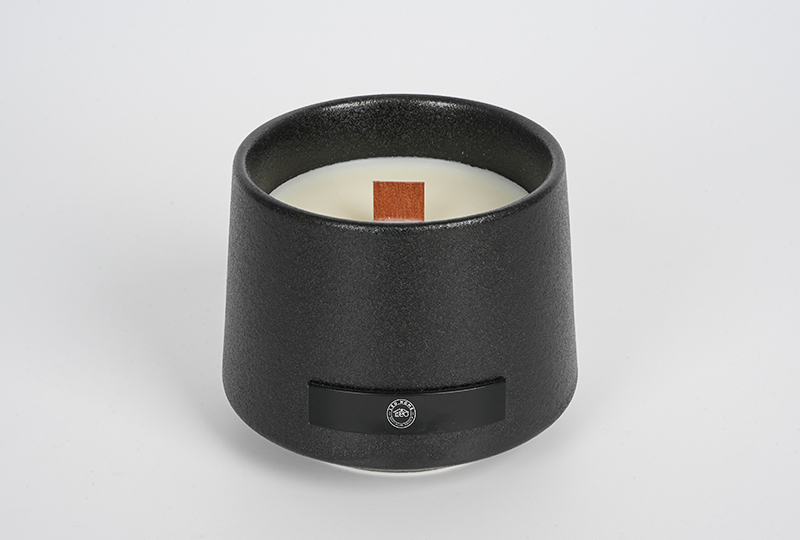
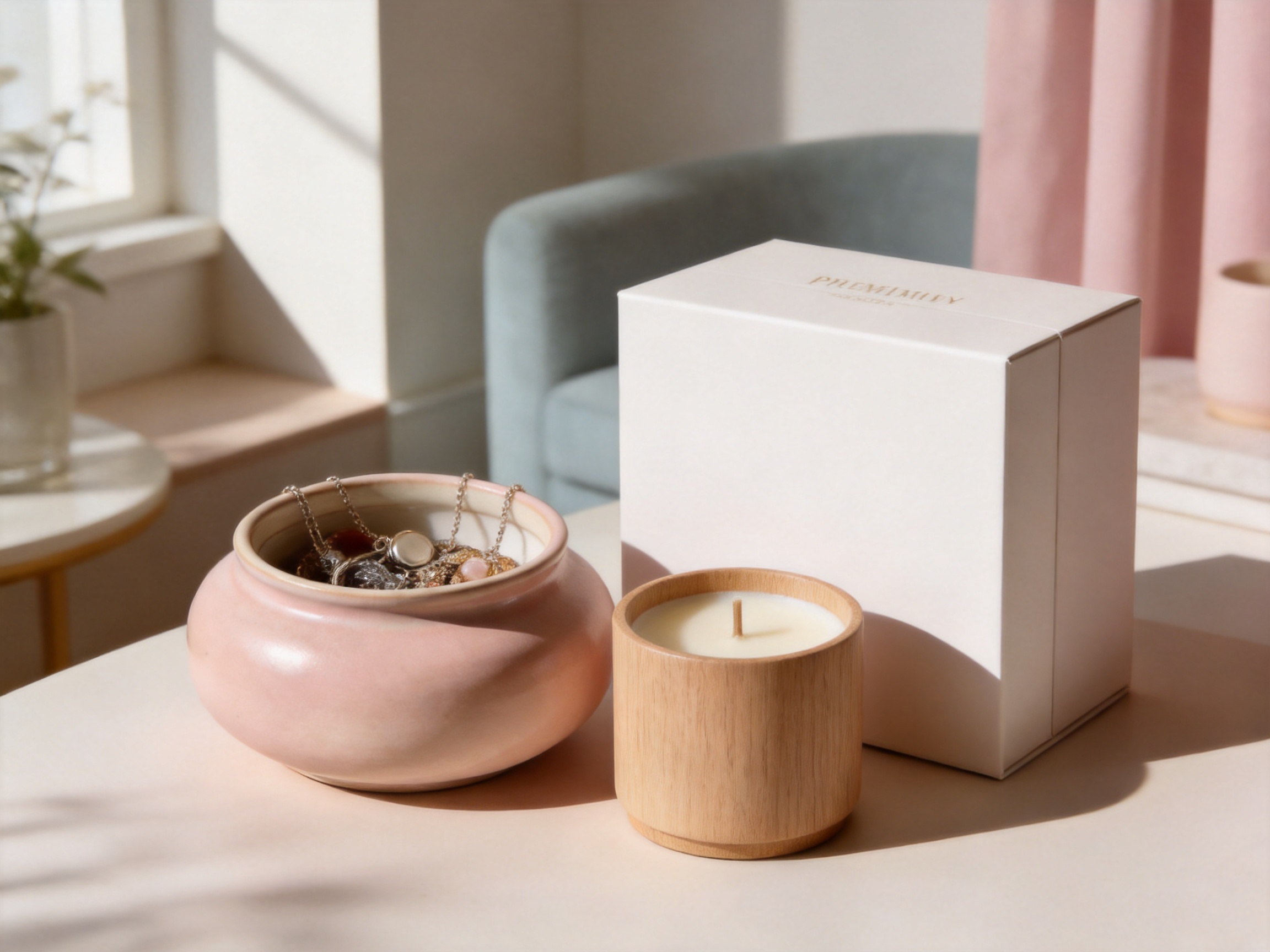
This ceramic jar candle is designed for contemporary living spaces where calm aesthetics and functional comfort matter equally. Its pastel matte glaze gives the vessel a smooth, gentle appearance, while the ceramic body provides a refined alternative to conventional glass jars or lightweight metal tins. The wide, low-profile shape helps the candle sit securely on desks, bedside tables, coffee tables, shelves, and spa counters. Instead of looking like a disposable fragrance item, it feels like a small piece of interior décor that continues to have value after the wax has been consumed.
The wooden wick is another defining feature. Compared with many standard cotton wicks, a wooden wick creates a distinctive crackling sound and a visually steady flame when properly engineered and matched with the wax system. This subtle acoustic detail adds an extra layer of relaxation, making the candle suitable for evening routines, reading corners, meditation spaces, hospitality settings, and gift collections. The result is not merely fragrance diffusion, but a complete atmosphere built around sight, sound, touch, and scent.
Hangzhou Leo Home Trading Co., Ltd. supports this product with international trading capability, supply chain integration, customization services, and quality control procedures. Based in Hangzhou, China, the company specializes in household and daily necessities, with a strong focus on home fragrance products such as scented candles, LED candles, reed diffusers, candle components, and gift sets. Through coordinated factory resources, jar customization partners, packaging suppliers, and inspection processes, the company helps overseas clients build reliable product lines with competitive styling and dependable delivery.
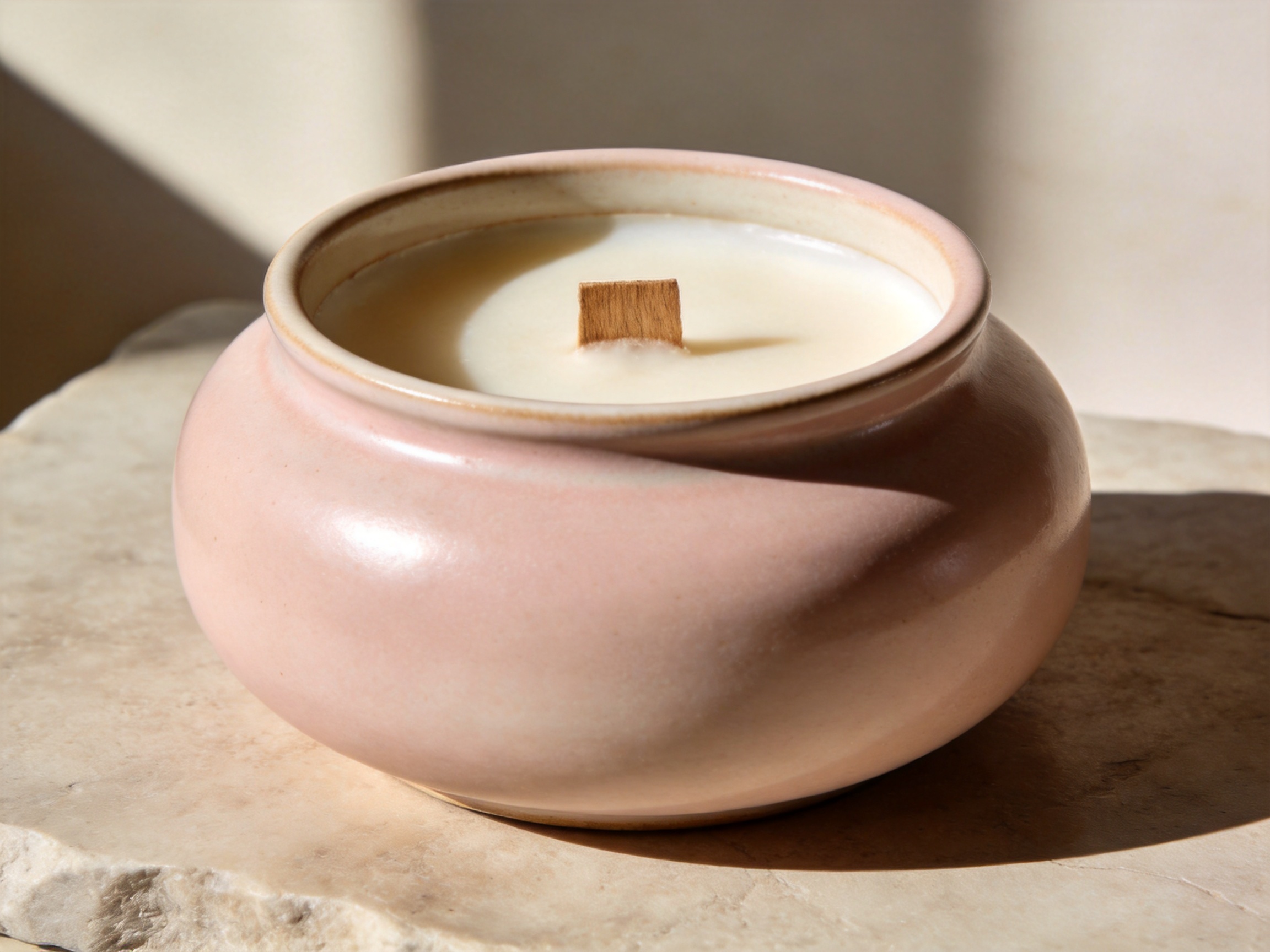
The matte textured wooden-wick ceramic jar candle is built around a simple but commercially powerful idea: a candle should enhance a space before, during, and after burning. Before it is lit, the matte ceramic vessel offers a soft decorative accent. During use, the flame and crackling wooden wick create ambience. After the wax is finished, the container can be reused for small storage, dried flowers, desk accessories, or purely decorative display.
This design philosophy gives the product an advantage over many traditional scented candles that are treated as temporary consumables. A clear glass jar may show the wax color and burn progress, but it often looks ordinary and may not blend naturally with premium interior themes. A metal tin may be easy to transport, but it can feel more casual and less suitable for high-end gifting. The ceramic jar candle occupies a more elevated position: it has weight, texture, tactility, and a homeware character that makes it suitable for lifestyle retail, boutique fragrance collections, hotel amenities, wellness gift boxes, and private-label seasonal lines.
The matte surface also communicates restraint. In a market filled with glossy finishes, bright labels, and heavily decorated vessels, a textured pastel ceramic jar offers a calmer alternative. It can be placed in minimalist apartments, Scandinavian-inspired rooms, modern offices, spa environments, boutique stores, or bedside settings without visual conflict. This quiet adaptability helps retailers position it across multiple customer groups, from young consumers looking for aesthetic desk décor to mature buyers seeking tasteful home fragrance gifts.
The low-profile construction is equally important. A wide base improves visual stability and helps the candle feel secure in daily use. The broad opening can support more even heat distribution when the wax, wick, and vessel dimensions are properly developed together. The compact height makes it less likely to dominate a tabletop, while the ceramic wall adds a feeling of substance. Together, these features make the candle practical, decorative, and commercially versatile.
Ceramic has long been associated with craftsmanship, home décor, and durable household objects. When used as a candle vessel, it immediately changes the perceived value of the product. Instead of a simple fragrance container, the jar becomes a tactile object that consumers are more likely to touch, display, keep, and reuse. This is especially valuable in the gift market, where presentation and perceived longevity affect purchasing decisions.
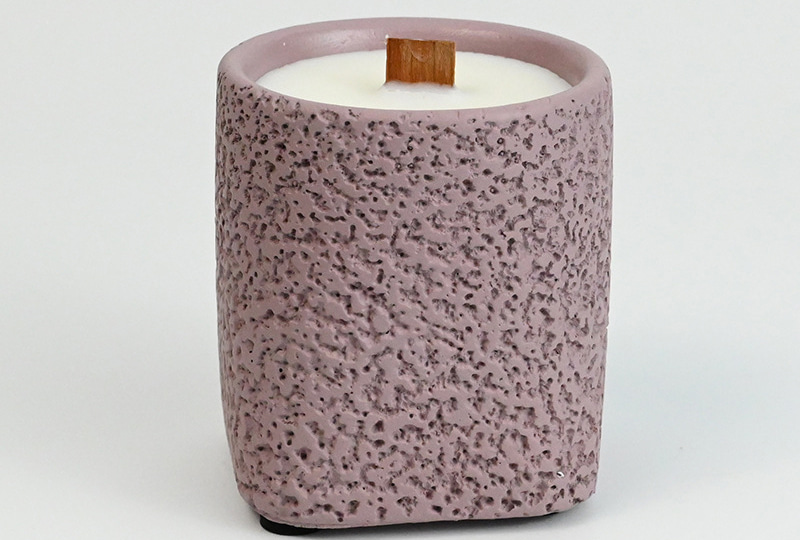
The matte textured finish adds a refined sensory layer. A glossy jar can be attractive, but it often reflects light strongly and may show fingerprints more easily. A matte ceramic surface feels quieter and more architectural. It softens reflections, harmonizes with pastel color palettes, and helps the candle look elegant in photography, online product pages, store shelves, and lifestyle scenes. For e-commerce brands, this visual advantage can be significant because images must communicate quality before the customer physically handles the product.
Ceramic also provides a sense of heat resistance and structural dependability when properly manufactured and inspected. Although every candle must be used according to safety instructions, a well-designed ceramic vessel can support extended burn sessions while maintaining a stable, substantial feel. The low, wide profile further strengthens the impression of security and balance. These qualities make the product suitable for buyers who want a candle that feels more permanent and less disposable.
Compared with lightweight tins, ceramic offers stronger decorative value and a more giftable appearance. Compared with many standard glass jars, ceramic provides a more distinctive touch and greater privacy for the wax interior, helping the product maintain a clean visual appearance throughout its life cycle. Compared with heavily patterned containers, the matte pastel design is easier to adapt to different branding directions, fragrance families, and seasonal collections. This combination of flexibility and premium perception supports both ready-to-sell programs and customized private-label development.
The wooden wick is one of the most memorable features of this candle. A candle flame is already associated with relaxation, but a wooden wick adds the gentle sound of a faint crackle, creating an atmosphere similar to a miniature fireplace. This auditory detail differentiates the product from ordinary cotton-wick candles and helps consumers remember the experience after use.
In product positioning, this matters because home fragrance is increasingly experiential. Consumers want products that support rituals: evening wind-down routines, bath time, reading, journaling, yoga, meditation, dinner settings, or self-care moments. The wooden wick contributes to these rituals by introducing movement and sound. It can make a small apartment feel warmer, a hotel room feel more personal, or a gift set feel more thoughtful.
From a technical perspective, wick selection must be coordinated with wax formula, fragrance load, jar diameter, and target burn performance. A wooden wick that is too narrow may struggle to create a full melt pool. A wick that is too strong may generate excessive heat. The value of an experienced supply chain partner lies in matching these elements carefully rather than treating the wick as a decorative detail only. Hangzhou Leo Home supports product development through R&D coordination and factory resources, helping clients refine specifications according to fragrance type, vessel size, wax blend, and market preference.
Compared with common single cotton-wick products, a well-matched wooden wick can offer stronger shelf differentiation. It is easy to communicate in product descriptions, gift guides, influencer content, and retail displays. The words “wooden wick” immediately suggest warmth, natural ambience, and a premium sensory experience. When paired with a ceramic vessel, the result feels cohesive: a tactile container, a soft matte color, a visible flame, and a quiet crackle working together as one product concept.
One of the candle’s major advantages is its ability to blend into different rooms without appearing out of place. The pastel glaze and matte texture are intentionally understated. Rather than relying on loud decoration, the candle uses proportion, finish, and material to communicate style. This makes it suitable for a broad range of interior themes, including minimalist, contemporary, Nordic, modern rustic, soft feminine, spa-inspired, and boutique hotel aesthetics.
On a desk, the low-profile jar provides fragrance and visual calm without occupying excessive space. On a coffee table, it can be grouped with books, trays, ceramics, and small plants. On a bedside table, the soft finish supports a restful atmosphere. In a bathroom or spa corner, it complements towels, stones, bottles, and natural textures. In a retail environment, the candle can be displayed as part of a color-coordinated collection, fragrance story, or seasonal gift arrangement.
The absence of visual clutter is commercially important. A vessel with overly specific decoration may sell well for one holiday or one interior style but become difficult to reposition. This matte ceramic jar, by contrast, can be adapted through label design, fragrance naming, packaging, and color variation. It can become part of a spring wellness collection, a winter comfort line, a bridal gift set, a corporate gift program, or a boutique private-label range. Its form is simple enough to accept branding, yet distinctive enough to stand apart from commodity candles.
For overseas clients, this flexibility reduces development risk. Instead of investing in many completely different molds and decoration systems, a buyer can create multiple product stories around a consistent vessel platform. Fragrance, label, carton artwork, sleeve design, and gift box configuration can change while the core jar remains stable. This supports efficient inventory planning, faster sampling, and easier replenishment.

The scented candle category is highly competitive. Many suppliers offer glass jars, tins, pillar candles, shaped candles, and gift sets. To succeed, a product must provide clear reasons for selection. The matte textured wooden-wick ceramic jar candle differentiates itself through material quality, sensory design, reusable value, stable shape, customization potential, and supply chain support.
First, the ceramic vessel creates a stronger premium impression than many mass-market alternatives. Consumers can feel the difference when they lift the jar or touch its matte surface. The product has presence. It is not simply a fragrance medium; it is a decorative object. This helps retailers justify a higher perceived value and helps gift buyers feel that the recipient is receiving something thoughtful and lasting.
Second, the wooden wick gives the candle a recognizable selling point. In a category where many products use similar fragrance names, wax colors, and glass containers, the crackling wick adds an experiential hook. It can be promoted as part of relaxation, comfort, and sensory living. This makes the candle suitable for online marketing where short videos and lifestyle photography play an important role.
Third, the matte pastel glaze broadens market appeal. Strong colors may be fashionable for a short season, but soft tones are easier to place in different homes. The smooth, calming finish appeals to consumers who prefer quiet luxury, understated décor, and wellness-oriented products. It also allows brands to develop cohesive fragrance families without overwhelming shelf displays.
Fourth, the wide, low-profile jar improves tabletop compatibility. Tall narrow candles can look elegant, but they may feel less stable on small surfaces. Very large candles can be impressive, but they may not fit everyday use or gift budgets. This candle strikes a middle ground: compact enough for daily placement, substantial enough to feel premium, and practical enough for repeated use.
Fifth, the container’s reuse potential supports modern consumer expectations. Many buyers now consider whether packaging and containers have a second life. A ceramic jar can be repurposed more naturally than a thin tin or heavily labeled glass container. After cleaning, it may hold jewelry, paper clips, cotton pads, small tools, dried botanicals, or simply remain as a decorative accent. This extended usefulness strengthens the product story and can improve consumer satisfaction.
Feature |
Matte Textured Wooden-Wick Ceramic Jar Candle |
Typical Low-Cost Glass Jar Candle |
Typical Metal Tin Candle |
|---|---|---|---|
Visual Style |
Soft matte ceramic surface with refined pastel finish for modern interiors. |
Often basic and transparent, with limited decorative impact after partial use. |
Casual and portable, but usually less premium in home décor settings. |
Sensory Experience |
Wooden wick provides flame movement and subtle crackling ambience. |
Usually cotton wick only, with limited acoustic or visual differentiation. |
Usually simple wick system, focused on convenience rather than atmosphere. |
Perceived Value |
Higher gift appeal due to ceramic weight, texture, and reusability. |
Moderate value, depending heavily on label and fragrance. |
Practical but often positioned as entry-level or travel-oriented. |
Interior Compatibility |
Fits desks, bedside tables, coffee tables, spa rooms, and boutique displays. |
Can fit many spaces but may lack a distinctive design identity. |
Best for casual use, travel sets, or small promotional gifts. |
After-Use Function |
Ceramic vessel can be reused as décor or small storage. |
Reusable in some cases, but visual appeal may decline after burning. |
Reusable but less decorative and often lightweight. |
Brand Customization |
Supports premium private-label programs through vessel color, scent, label, and packaging options. |
Easy to label but common in appearance. |
Cost-effective but may have limited premium positioning. |
A well-designed candle depends on more than an attractive container. It requires coordination across raw materials, vessel production, wick selection, wax filling, fragrance matching, curing, labeling, packaging, inspection, and export logistics. Hangzhou Leo Home Trading Co., Ltd. brings value by integrating these steps into a service model that supports both product quality and commercial efficiency.
The company is based in Hangzhou, China, and focuses on international trading and supply chain solutions for household and daily necessities. Although founded in January 2025, the company is built around experienced sourcing, cross-border marketing, product development, and export support. Its product scope includes personal care, home and garden products, daily tools, and especially home fragrance items. For candle buyers, this means access to product planning, customization, quality assurance, and logistics coordination rather than simple product reselling.
One important strength is integrated supplier access. The company works with multiple candle factories, jar customization partners, and color box factories. This network helps manage cost, production scheduling, product variation, and packaging development. For overseas buyers, coordinating these resources independently can be time-consuming and risky. A centralized trading and supply chain partner can reduce communication gaps, align specifications, and help ensure that the vessel, wax, wick, label, and package are developed as a coherent product.
For this ceramic jar candle, manufacturing coordination begins with vessel requirements. The jar must meet size, shape, glaze, texture, heat resistance, and finish expectations. The matte ceramic surface should feel smooth and visually consistent. The vessel must be compatible with wax filling temperatures and intended burn behavior. Color control is important because pastel glazes can vary between batches if not carefully managed. Through jar customization partners and quality checks, the company can support development of consistent vessel appearance for private-label and repeat-order programs.
Wax and fragrance development is another key stage. Different markets prefer different fragrance profiles: soft floral notes, clean cotton, sandalwood, vanilla, citrus, herbal spa scents, seasonal spices, or luxury perfume-inspired blends. The wax system must carry fragrance effectively while working safely with the wooden wick and ceramic jar. The company’s customization services support fragrance selection, formulation adjustment, and specification refinement according to drawings, samples, target retail price, and market positioning.
Wick testing is especially important for wooden-wick candles. The wick must be selected and tested to match the jar diameter, wax type, fragrance load, and desired burn time. A poor wick match can cause tunneling, excessive flame height, smoking, weak scent release, or uneven melting. A professional development process evaluates burn pool behavior, flame stability, jar temperature, and consumption rate. This technical attention is one of the differences between a decorative candle that only looks attractive and a finished product that performs reliably in consumer use.
Quality assurance is critical in candle production because the product involves heat, fragrance materials, packaging, and consumer safety. Hangzhou Leo Home emphasizes strict quality control from raw material selection to finished goods inspection. This approach helps reduce variation and supports dependable shipments for overseas clients.
Raw material control may include checking vessel appearance, wick dimensions, wax characteristics, fragrance compatibility, color consistency, and packaging materials. Ceramic jars should be inspected for visible cracks, glaze defects, uneven surfaces, unstable bases, or dimensional deviation. Wooden wicks should be checked for consistency and suitability. Packaging should protect the ceramic vessel during international transport while also supporting shelf appeal.
During production, process control includes wax melting, fragrance blending, filling temperature, wick placement, cooling conditions, surface finish, label application, and packaging assembly. Each step affects the final product. If wick placement is off-center, the candle may burn unevenly. If cooling is poorly controlled, the wax surface may show defects. If packaging is weak, ceramic jars may be damaged during shipping. A disciplined process helps protect the product’s appearance and performance.
Finished goods inspection is equally important. Inspectors can review the candle surface, vessel cleanliness, label alignment, carton printing, packaging integrity, quantity accuracy, and overall presentation. For export orders, documentation and packing standards must also be controlled. The company’s commitment to refinement is visible in this attention to details, because international buyers need products that arrive ready for retail, gifting, or distribution.
The company also highlights in-house lab support. Laboratory evaluation can assist with burn testing, material verification, performance checks, and product refinement. For a wooden-wick ceramic candle, burn testing is essential because it confirms how the flame behaves over time and whether the wax, wick, fragrance, and vessel work together correctly. These tests help identify issues before mass shipment, reducing risk for buyers and improving end-user satisfaction.
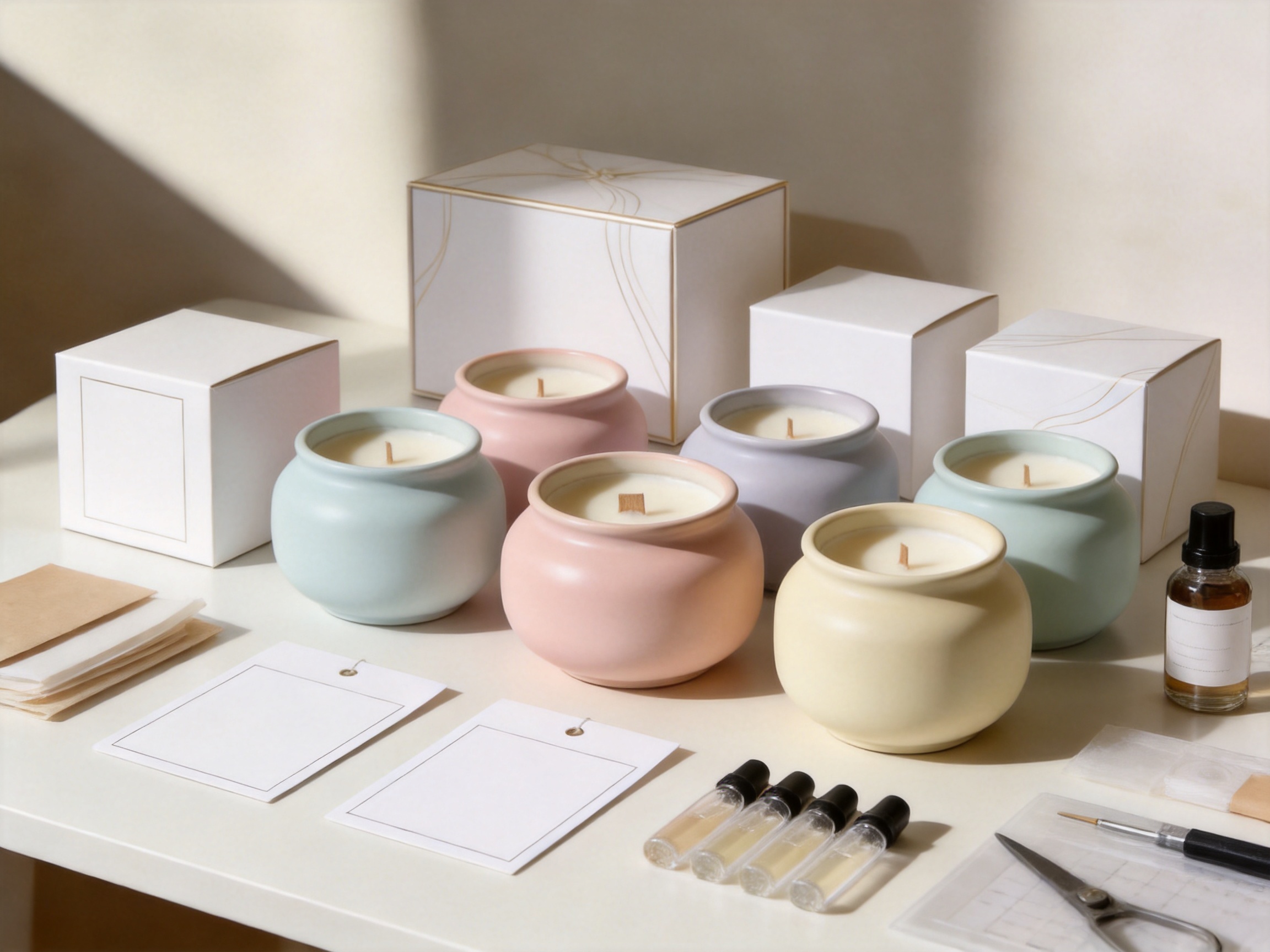
Customization is a major advantage for clients who want to build their own product lines rather than purchase generic candles. The matte textured wooden-wick ceramic jar candle provides a strong base for OEM and ODM development because the vessel style is versatile and premium, while scent, color, label, and packaging can be adapted to different markets.
Possible customization directions include ceramic glaze color, jar size, wax color, fragrance selection, wick type, label material, logo application, dust cover, gift box, color box, sleeve, ribbon, insert card, and outer carton. For retailers, this flexibility supports seasonal collections, limited-edition launches, wellness themes, holiday gift sets, bridal favors, hotel amenities, and corporate gifting. For distributors, it allows the same core product structure to be adapted to multiple channels and price points.
Fragrance customization is particularly valuable. A North American buyer may request cozy scents such as vanilla bean, amber, cedarwood, pumpkin spice, or cashmere. A European boutique may prefer fig, lavender, bergamot, sandalwood, or clean linen. A Middle Eastern client may seek oud, rose, musk, saffron, or incense-inspired profiles. The company’s product development support can help clients refine fragrance families so that the candle aligns with regional expectations and brand identity.
Packaging customization also has a strong effect on sales. The ceramic jar itself offers premium value, but the outer box communicates the brand story before the customer opens it. A minimalist white box can support a clean luxury image. A pastel printed carton can emphasize softness and giftability. A textured paper box can reinforce natural and artisanal themes. A window box can display the vessel color. Hangzhou Leo Home’s integrated access to color box factories helps clients align packaging design with cost, protection, and visual impact.
Labeling should be designed carefully because the matte ceramic surface already has visual appeal. Overly large labels may reduce the refined look, while a small elegant label can preserve the vessel’s decorative character. Some clients may prefer a removable label so the jar can be reused more easily. Others may choose direct printing, embossed logos, or hang tags. The right choice depends on brand positioning, target price, and consumer expectations.
A candle intended for everyday use must be both attractive and practical. The low-profile ceramic jar helps the product sit securely on flat surfaces. Its compact shape makes it easy to place in daily living areas without requiring a large display space. The heat-resistant ceramic structure supports normal candle use when the product is burned according to instructions and when all safety guidelines are followed.
Consumers should always place candles on a stable, heat-resistant surface and keep them away from drafts, curtains, papers, children, and pets. The wick should be trimmed according to the recommended instructions for wooden wicks, and the candle should not be burned longer than advised per session. These standard safety practices help maintain flame control and product performance. A high-quality candle is designed responsibly, but correct user behavior remains essential.
The wide jar opening can help create an appealing melt pool when matched with the correct wick. A proper melt pool supports fragrance release and reduces tunneling. However, performance depends on careful development. This is why professional testing during the manufacturing process is so important. Each fragrance and wax blend can behave differently, and even small changes in vessel diameter or wick thickness may affect the burn.
The ceramic jar can also make the user experience cleaner after the candle is finished. Once the remaining wax is removed according to safe cleaning instructions, the vessel may be repurposed. Consumers appreciate products that extend beyond a single function, especially when the item is visually attractive enough to keep. This reuse story can be included in packaging inserts, retail descriptions, or marketing content to strengthen the product’s value proposition.
Color psychology plays an important role in home fragrance. Soft pastel tones are often associated with calmness, comfort, cleanliness, and emotional balance. In the context of a ceramic jar candle, a gentle pastel glaze helps communicate relaxation before the candle is even lit. It suggests that the product belongs in a peaceful environment and supports the consumer’s desire for a more comforting home.
Matte finishes have become popular in interior design because they feel understated and sophisticated. They reduce glare and create a more natural visual texture than high-gloss surfaces. When applied to a candle vessel, a matte finish can make the product look more like a curated home accessory than a mass-produced fragrance item. This supports premium retail positioning and helps the candle photograph beautifully for online sales.
The textured surface adds another dimension. Smooth ceramic can be elegant, but a lightly textured matte vessel feels more tactile and crafted. Consumers often respond positively to objects that invite touch. In physical retail, this can encourage shoppers to pick up the product, feel the surface, and perceive its quality. In online retail, close-up images of the texture can communicate craftsmanship and help the item stand out in search results.
Pastel ceramic also works well across seasons. Soft pink, beige, sage, cream, blue, lavender, or muted yellow can be used for spring and summer collections, while warmer neutral tones can support autumn and winter lines. Because the shape is simple, the same vessel concept can be refreshed with color and fragrance changes rather than requiring a completely new product structure each season.
The matte textured wooden-wick ceramic jar candle can serve several sales channels. For home fragrance brands, it can be positioned as a premium everyday candle or part of a wellness collection. For gift retailers, it can be packaged as a ready-to-give item. For lifestyle boutiques, it can be displayed alongside ceramics, textiles, bath products, and stationery. For hotels and spas, it can create an elevated ambience in guest rooms, reception areas, or retail corners.
In e-commerce, the product benefits from strong visual storytelling. The matte ceramic vessel, pastel color, and wooden wick are easy to show in photography and short videos. A video of the wooden wick burning and crackling can communicate value quickly. Lifestyle images can show the candle on a bedside table, desk, or coffee table. Close-up shots can highlight the texture and glaze. These features help the product compete in online marketplaces where consumers scroll through many similar listings.
For supermarkets and chain stores, the candle can be developed as an accessible premium item. The ceramic vessel differentiates it from basic glass candles, while flexible packaging options can meet retail requirements. For subscription boxes and gift sets, the compact size and decorative value make it suitable for inclusion with bath salts, lotions, diffusers, journals, teas, or wellness accessories.
For corporate gifting, the product can be customized with subtle branding and elegant packaging. Unlike purely promotional items, a ceramic jar candle feels personal and useful. Its reusable container extends brand visibility without appearing overly commercial. For events such as weddings, hospitality openings, seasonal campaigns, or employee appreciation programs, the candle offers a balance of practicality and emotional warmth.
Product quality must be matched with dependable delivery. Overseas buyers often face challenges such as inconsistent samples, delayed packaging, fragmented communication, uneven quality between batches, and unclear shipping preparation. Hangzhou Leo Home’s supply chain model is designed to reduce these issues by coordinating factories, customization partners, packaging suppliers, and export procedures.
The company integrates resources from multiple candle factories, jar customization partners, and color box factories. This helps manage production capacity, cost comparison, material availability, and lead time. For clients building candle collections, this network can be valuable because a single project may involve several components from different suppliers. Without coordination, small delays in jars, labels, fragrance oils, or boxes can delay the entire order. Centralized project management helps align these timelines.
The company reports daily capacity reaching up to 50,000 units, supporting stable bulk delivery and replenishment. This is important for retailers and distributors who need consistent supply after a product succeeds. At the same time, support for smaller volumes and trial runs can help new clients test the market before committing to large-scale orders. This flexibility is particularly useful in the candle industry, where fragrance preferences and seasonal demand can vary significantly.
Convenient logistics near Ningbo Port further supports export efficiency. For international buyers, port access can influence shipping schedules, consolidation options, and transportation cost. When combined with export documentation experience, packaging inspection, and order tracking, logistics capability becomes a key part of the product’s overall competitiveness.
Hangzhou Leo Home Trading Co., Ltd. positions itself as a fast-growing cross-border trading partner for quality lifestyle products. The company’s strengths include customization, supply chain integration, quality assurance, diverse styles, flexible delivery, and export market experience. These strengths are directly relevant to the matte textured wooden-wick ceramic jar candle because buyers need both product appeal and dependable execution.
Customization support helps clients transform a base candle into a brand-specific product. The company can assist with drawings, samples, specifications, scents, labels, and packaging. This is valuable for brands that know their market but need manufacturing support to realize a cohesive product. Instead of accepting a generic item, clients can refine the candle to match their target audience and price strategy.
Supply chain integration helps manage cost and product consistency. By coordinating candle factories, jar suppliers, and packaging factories, the company can support more efficient sourcing and better communication. This is especially important for ceramic jar candles because vessel quality and packaging protection are central to customer satisfaction. A beautiful candle that arrives damaged or inconsistent cannot succeed, no matter how attractive the design is.
Quality assurance protects the buyer’s reputation. The company emphasizes strict QC across key stages, supported by in-house lab capability. For private-label clients, product defects can affect brand trust and lead to returns or complaints. Reliable inspection and testing help reduce these risks. Attention to raw materials, production details, finished goods, and export packaging reflects a professional approach to international trade.
Diverse style support allows clients to build broader home fragrance collections. In addition to ceramic jar candles, the company supports jar candles, shaped candles, jelly candles, LED candles, reed diffusers, accessories, candle components, raw materials, and scented sets. This enables buyers to develop coordinated product families from a single supply partner. A retailer could pair the ceramic candle with reed diffusers, room sprays, or gift sets, creating a stronger fragrance program.
The company’s values of execution, warmth, and refinement also align with the product category. Execution matters because overseas trade requires timely response and dependable results. Warmth reflects the emotional nature of home fragrance products, which are designed to comfort and support daily life. Refinement is visible in details such as glaze finish, wick testing, fragrance balance, label alignment, and export documentation. These values are not abstract; they influence how a product is developed and delivered.
While sustainability claims should always be made carefully and supported by appropriate documentation, the reusable nature of the ceramic jar provides a practical advantage. Consumers increasingly prefer products that do not feel disposable. A candle vessel that can become a small home accessory after use offers a more responsible and satisfying ownership experience.
The ceramic jar can be reused for many small purposes. On a desk, it may hold clips, pens, erasers, or charging accessories. In a bedroom, it may store rings, earrings, hair ties, or keys. In a bathroom, it may hold cotton pads or cosmetic tools. In a living room, it may display dried flowers or decorative stones. This after-use function extends the emotional life of the product and reinforces the sense that the customer purchased more than wax and fragrance.
For brands, this reuse potential can become part of the product story. Packaging inserts can include simple cleaning guidance and reuse suggestions. Online listings can show the jar as a decorative container after burning. Gift sets can emphasize lasting value. These small communication choices help differentiate the product without relying on exaggerated environmental claims.
The ceramic material also supports a slower, more intentional consumption message. Instead of bright disposable packaging, the candle encourages consumers to keep and repurpose the vessel. In premium home fragrance, this emotional value is important. People want objects that fit their homes, reflect their taste, and remain useful beyond the initial purchase.
A successful candle must tell a story quickly. The matte textured wooden-wick ceramic jar candle offers several story angles that brands can adapt. It can be described as a calming home ritual, a crackling wooden-wick experience, a ceramic décor candle, a reusable vessel, a pastel lifestyle accessory, or a refined gift. These stories are easy for consumers to understand and attractive for marketing teams to present.
The product can support a “quiet home” concept, focused on simplicity, soft colors, and peaceful routines. It can support a “warm evening” concept, using the wooden wick and gentle flame as emotional anchors. It can support a “crafted ceramic” concept, emphasizing texture, glaze, and tactile quality. It can support a “gift that lasts” concept, highlighting reuse after the candle is finished. Each approach appeals to a different customer motivation while using the same core product.
For fragrance naming, the candle can accommodate both minimalist and romantic styles. Names such as Soft Linen, Warm Sandalwood, Morning Tea, Cloud Lavender, Quiet Amber, Pastel Rose, Cedar Rain, and Vanilla Dusk would fit the vessel’s aesthetic. Packaging design can reinforce these names through color, typography, and paper texture. Because the jar is understated, it gives brands freedom to build a complete visual identity around it.
Influencer and social media content can also benefit from the candle’s sensory elements. The wooden wick’s crackling flame is suitable for short video clips. The matte ceramic texture works well in close-up photography. The reusable jar can be shown in before-and-after content. These features create multiple marketing moments from one product, increasing its value for digital sales strategies.
When sourcing a ceramic wooden-wick candle, buyers should evaluate several factors. The first is vessel consistency. Ceramic products can vary in glaze, shape, and surface finish, so sample approval and production standards must be clear. The second is burn performance. The wick, wax, fragrance, and jar must be tested together rather than separately. The third is packaging protection. Ceramic jars require suitable inner protection and outer carton strength for international shipping.
The fourth factor is customization feasibility. Buyers should confirm minimum order quantities, color matching, label methods, fragrance options, box styles, and sampling timelines. The fifth is compliance and documentation. Different markets may require specific labeling, safety warnings, fragrance declarations, or testing standards. A capable supply partner can help prepare the product according to the buyer’s destination market requirements.
The sixth factor is replenishment ability. A product may perform well after launch, but success can become a problem if the supplier cannot maintain consistent quality or delivery speed. Hangzhou Leo Home’s flexible delivery capability and integrated factory network help address this concern. Bulk delivery capacity and support for trial runs give buyers room to grow step by step.
Communication is also essential. Candle development involves many subjective choices, including scent strength, color tone, label style, and packaging feel. Clear sample review, reference images, written specifications, and confirmation procedures reduce misunderstanding. The company’s cross-border marketing and trading experience helps support communication with overseas clients throughout development and production.
The main differences are the matte textured ceramic vessel, wooden wick, stable low-profile shape, pastel glaze, and reusable container. Ordinary scented candles often rely mainly on fragrance, while this product combines fragrance, sound, visual design, tactile quality, and after-use value.
A wooden wick can create a gentle crackling sound and a steady visual flame when properly matched with the wax and vessel. This gives the candle a warmer, more memorable ambience compared with many standard cotton-wick candles. It also provides a clear marketing feature for gift and lifestyle collections.
Yes. After the remaining wax is safely removed and the vessel is cleaned according to appropriate instructions, the ceramic jar can be reused for small storage or decoration. It may hold jewelry, stationery, cotton pads, dried flowers, or other small household items.
Yes. The soft matte finish and gentle color palette are designed to coordinate with minimalist, contemporary, Nordic, spa-inspired, and boutique home settings. The understated appearance makes it easier to adapt to different rooms and branding concepts.
Customization may include ceramic color, fragrance, wax color, label design, logo method, box style, packaging artwork, gift set configuration, and product specifications. Hangzhou Leo Home supports OEM and ODM development based on drawings, samples, and target market requirements.
The company emphasizes quality control from raw material selection to finished goods inspection. This includes checking vessel appearance, wick suitability, wax and fragrance compatibility, production process details, packaging integrity, and final presentation. In-house lab support and burn testing can help improve product reliability.
The wide, low-profile shape provides stable placement and a balanced appearance. It fits easily on desks, coffee tables, bedside tables, shelves, and spa counters. When correctly developed with the right wick and wax system, the shape can also support an attractive burn experience.
Yes. The ceramic vessel, matte texture, wooden wick, and reusable value make it highly suitable for gift sets. It can be paired with reed diffusers, bath products, personal care items, greeting cards, or seasonal accessories.
The product can serve North American, European, Middle Eastern, and other international markets. Its flexible styling and customization options allow it to be adapted for boutique retail, e-commerce, hospitality, corporate gifting, wellness brands, and seasonal collections.
Supply chain integration helps coordinate candle factories, ceramic jar partners, packaging factories, quality control, and logistics. This can reduce development complexity, improve cost control, support consistent quality, and make delivery more dependable for overseas clients.
The matte textured wooden-wick ceramic jar candle offers a strong combination of design, sensory value, and commercial practicality. Its ceramic vessel elevates the product beyond ordinary fragrance containers. Its matte pastel glaze brings softness and interior compatibility. Its wooden wick creates a memorable crackling ambience. Its low-profile jar supports stable placement and everyday usability. Its reusable container extends value after the wax is finished.
For retailers and brand owners, the candle provides a flexible foundation for private-label development. It can be customized through fragrance, color, labeling, packaging, and gift configuration. It can serve many sales channels, from e-commerce and boutique retail to hospitality and corporate gifting. Its visual and sensory features make it easy to market, while its practical structure supports daily consumer use.
Behind the product, Hangzhou Leo Home Trading Co., Ltd. contributes supply chain coordination, customization support, quality assurance, factory integration, flexible delivery, and export experience. These strengths are essential in a category where appearance, performance, packaging, and delivery must work together. A candle that looks beautiful but lacks reliable manufacturing support may create risk for buyers. A candle supported by structured development and inspection is better positioned for repeat orders and long-term market success.
As consumers continue to seek comfort, atmosphere, and tasteful objects for the home, ceramic wooden-wick candles will remain an attractive product direction. This matte textured jar candle meets that demand with quiet elegance and practical value. It is not simply a scented candle; it is a compact home fragrance object designed to create warmth, support relaxation, enhance décor, and leave a lasting impression.
National Candle Association. Candle Safety and Usage Guidelines.
ASTM International. Standard Guide for Candle Fire Safety Labeling and Candle Performance Evaluation.
European Candle Association. Quality Guidance for Indoor Candle Products.
Steinemann, A. Fragranced Consumer Products and Indoor Air Quality Considerations.
World Design Organization. Principles of Product Design, User Experience, and Material Value.
Packaging Design Council. Retail Packaging, Protection, and Consumer Presentation Standards.
International Trade Centre. Export Product Development and Quality Management for Consumer Goods.

Room 1701, Building C1, Wangjing, Xiaoshan District, Hangzhou City, Zhejiang Province, China.

+86-15937257616

Copyright© 2026 Hangzhou Leo Home Trading Co., Ltd. All Rights Reserved.

Luxury Candles Home Fragrance Manufacturers Modern Candles Factory